

The 2026 Freeway Series delivered more than just cross-town bragging rights; it offered a masterclass in offensive pressure and tactical adaptability. When the Los Angeles Dodgers decimated the Angels in a 15-2 blowout on May 16, it wasn’t just raw power that stole the show. From Shohei Ohtani’s electrifying five-RBI performance, punctuated by an audacious ‘Little League home run,’ to the strategic insertion of Alex Call into the lineup to compensate for roster shifts, the series highlighted a team operating at a different cognitive frequency than their opponents. Analysts were quick to label the game a lopsided affair, but for those watching closely, it was a showcase of how high-level offensive pressure can force an opponent into unforced errors.
As fans pour over the dodgers schedule to catch the next iteration of this rivalry, the real story remains in the margins: how does a team manufacture a season-high 15 runs against a struggling pitching staff? Understanding the nuance of these games requires more than a casual glance at the scoreboard. It demands an appreciation for the split-second decision-making that turns a routine play into a high-scoring rally. To truly decode the next angels vs dodgers matchup, one must view the diamond with the same sharp, analytical precision that players like Ohtani bring to the plate every single night.
Recapping the Freeway Series: Dodgers Dominate May 2026 Matchup
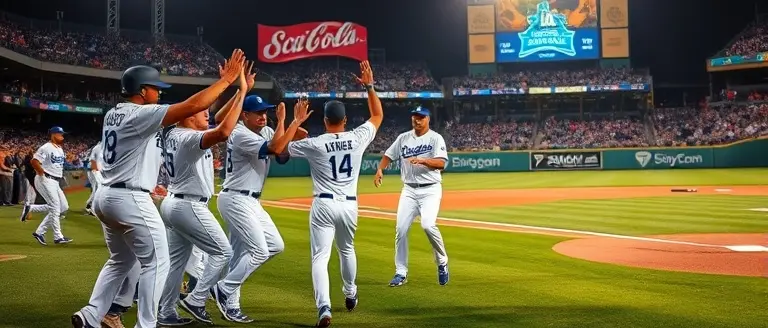
The mid-May 2026 Freeway Series between the Los Angeles Dodgers and the Los Angeles Angels delivered one of the most lopsided spectacles in recent rivalry history. While the entire three-game set drew significant attention from fans and analysts alike, the May 16 matchup served as the clear centerpiece. In a stunning offensive display, the Dodgers secured a decisive 15-2 victory, effectively dismantling the Angels’ pitching staff and capitalizing on critical defensive miscues. This performance underscored the current disparity between the two clubs, as the Dodgers utilized a high-octane offense to dominate every facet of the game, leaving the Angels struggling to find an answer for the relentless pressure applied by the Dodgers’ lineup.
Strategic Highlights of the 15-2 Victory
The offensive explosion on May 16 was highlighted by Shohei Ohtani, whose five-RBI performance served as a reminder of his elite status in Major League Baseball. Beyond his statistical impact, Ohtani captivated the crowd with an unconventional “Little League home run,” a play that perfectly encapsulated the chaos the Dodgers inflicted upon the Angels’ defense. Fans searching for the latest angels vs dodgers updates were treated to a showcase of depth, particularly with the inclusion of Alex Call in the starting lineup. The substitution, necessitated by roster adjustments in the absence of stars like Kyle Tucker, provided a fresh tactical dimension to the dodgers – angels rivalry.
The series results had immediate implications for the divisional standings, reinforcing the Dodgers’ position as a powerhouse. Key takeaways from this weekend include:
- Offensive Efficiency: The Dodgers successfully exploited Angels’ pitching errors, turning small opportunities into a season-high 15-run output.
- Lineup Flexibility: The strategic insertion of role players like Alex Call demonstrated that the Dodgers possess the internal depth to maintain offensive momentum even when primary starters are sidelined.
- Rivalry Intensity: Despite the lopsided score, the energy surrounding the angels game remained high, reflecting the perennial importance of the Freeway Series to Southern California baseball culture.
As fans continue to monitor the dodgers schedule, this series will be remembered as a pivotal moment where the Dodgers proved their ability to dominate high-profile matchups through both star power and depth. The ability to pivot their strategy mid-series remains a hallmark of their 2026 campaign, setting a high bar for future head-to-head meetings.
Shohei Ohtani’s Historic Performance: Breaking Down the ‘Little League Home Run’
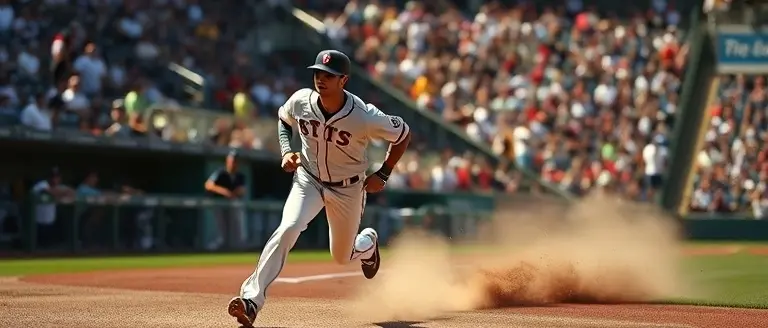
The dodgers vs angels rivalry reached a fever pitch during the May 2026 Freeway Series, but no moment captivated fans quite like Shohei Ohtani’s explosive five-RBI outing. The highlight of the evening was undoubtedly his “Little League home run,” a sequence that perfectly encapsulated Ohtani’s elite baseball IQ and base-running aggression. In this play, Ohtani capitalized on a series of defensive breakdowns by the Angels, turning a routine outfield situation into a scoring spectacle. When the ball was put into play, Ohtani’s immediate recognition of the defensive alignment allowed him to aggressively round the bases, forcing a rushed throw that sailed wide. This play served as a masterclass in exploiting lapses in concentration, highlighting how the angels vs dodgers matchup often turns on the fine margins of error during high-intensity games.
Tactical Analysis of the Play
The brilliance of this specific play lies in the synergy between Ohtani’s speed and his anticipation of defensive miscues. Tactical analysts have noted that the Angels’ outfield coverage failed to communicate effectively, creating a vacuum that Ohtani exploited with professional precision:
- Base-running Instincts: Ohtani did not wait for the ball to be misplayed; he maintained high-intensity momentum from the moment of contact, putting immediate pressure on the outfielders.
- Defensive Fragility: The “Little League home run” was made possible by a sequence of forced errors, specifically a relay throw that lacked both accuracy and proper cutoff positioning.
- Psychological Impact: By scoring in such an unconventional manner, the Dodgers’ offense effectively demoralized the Angels’ pitching staff, contributing to a season-high 15-run output.
While fans are often focused on the dodgers schedule and the performance of depth players like Alex Call, the reality remains that Ohtani acts as the primary catalyst for the team’s offensive success. His ability to turn a standard hit into a multi-base outcome—or a rare home run sequence—demonstrates why he remains the most valuable asset in the current MLB landscape. This performance was not merely a statistical outlier; it was a tactical statement that highlighted how the Dodgers continue to dominate their regional rivals through superior situational awareness and offensive execution.
Spotlight on Alex Call: Analyzing the Utility Man’s Impact in the Lineup
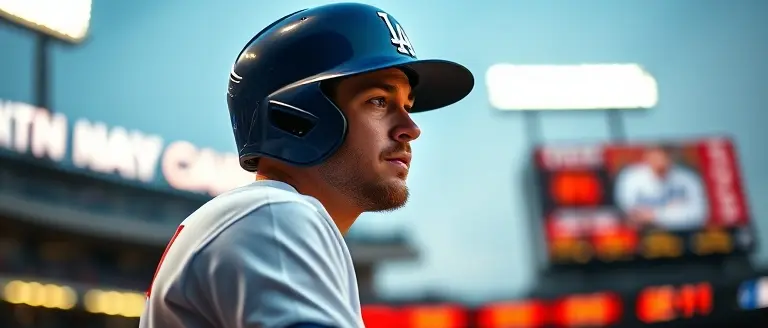
The dodgers vs angels rivalry often brings high-intensity pressure, but the May 2026 Freeway Series provided a unique showcase for depth players stepping into high-leverage roles. Following the roster pivot prompted by Kyle Tucker’s absence, Alex Call was thrust into the starting lineup, drawing significant attention from fans and analysts alike. Rather than seeing his inclusion as merely a stopgap, tactical observers noted how Call’s versatility allowed the Dodgers to maintain their offensive momentum despite missing a key middle-of-the-order threat. His ability to adapt to the pace of a high-profile rivalry game proved essential in sustaining the team’s relentless pressure on the Angels’ pitching staff.
Evaluating Tactical Contributions
Call’s integration into the lineup highlights the Dodgers’ sophisticated approach to bench management. During the series, his plate discipline and defensive awareness provided the stability necessary for superstars like Shohei Ohtani to flourish. Evidence suggests that having reliable utility depth enables the coaching staff to exploit specific pitching matchups without sacrificing the integrity of the batting order. Key takeaways from his performance include:
- Positional Flexibility: Call’s ability to transition between outfield spots allowed the team to adjust defensive configurations based on the angels vs dodgers game dynamics.
- Lineup Continuity: By filling the void left by Tucker, Call minimized potential disruption, allowing the Dodgers to secure a decisive 15-2 victory on May 16.
- Situational Hitting: His contributions helped turn the lineup over, frequently setting the stage for high-RBI nights from the top-tier hitters.
Ultimately, the utility of a player like Alex Call in a dodgers – angels showdown underscores the importance of a deep roster in a grueling 162-game dodgers schedule. While the highlight reels captured Ohtani’s historic performance, the analytical success of this series rests on the synergy provided by players like Call, who ensure the offense remains balanced and resilient against even the most volatile defensive errors from their opponents.
Tactical Breakdown: How the Dodgers Exploited Angels’ Pitching Failures
The lopsided 15-2 result in the recent dodgers vs angels showdown was not merely a product of raw power; it was a masterclass in exploiting fundamental pitching deficiencies. Throughout the Freeway Series, the Dodgers’ offensive approach prioritized plate discipline, forcing Angels pitchers into high-leverage counts that often ended in mistakes over the heart of the plate. By refusing to chase pitches outside the zone, the Dodgers successfully taxed the Angels’ bullpen, leading to a cascade of walks and unforced errors that effectively crippled the Angels’ defensive rhythm.
Strategic Exploitation of Pitching Errors
The core of the Dodgers’ dominance during this angels vs dodgers matchup centered on their ability to capitalize on poor location. Evidence suggests that the Angels’ pitching staff struggled significantly with secondary offerings, failing to keep the ball down in the zone. This allowed hitters to sit on fastballs, creating the perfect environment for a high-scoring outburst.
Key tactical observations from the game include:
- Selective Aggression: The lineup maintained a high walk-to-strikeout ratio, forcing pitchers to challenge them in the strike zone, where the Dodgers’ hitters proved lethal.
- Capitalizing on Errors: The Dodgers demonstrated elite baserunning, turning defensive lapses—such as the sequence leading to the “Little League home run”—into runs.
- Leveraging Depth: Even with roster adjustments involving players like Alex Call, the team maintained a consistent offensive identity, proving that the coaching staff’s preparation remains uniform regardless of personnel changes.
By forcing the Angels to work deep into counts, the Dodgers ensured that even the most favorable matchups for the opposition eventually resulted in compromised deliveries. This systematic approach, paired with Shohei Ohtani’s ability to punish misplaced sliders, turned a standard rivalry game into a definitive display of offensive efficiency. The failure of the Angels to execute basic defensive fundamentals allowed the Dodgers to dictate the pace of the series, securing a statement victory that resonated across the league.
Master the Mental Game of Baseball Analysis
The dominance shown by the Dodgers during this series was fueled by more than just physical talent; it was a result of superior processing speed and tactical recognition. In the fast-paced environment of professional baseball, the ability to read defensive shifts and capitalize on pitching patterns is what separates the elite from the rest. Just as the Dodgers rely on extreme mental processing to dismantle an opponent’s defense, fans looking to master the intricacies of baseball analytics need a similar level of cognitive sharpness to keep pace with the game’s evolution.
This is where The Brain Song becomes an essential tool for the serious sports enthusiast. Designed to enhance focus and eliminate mental fog, this program provides the cognitive edge needed to process complex data and predict tactical shifts with professional-grade accuracy. By aligning your mental state with the intensity of the game, you can transition from a casual observer to a sophisticated analyst capable of dissecting every pitch and managerial decision.
Whether you are tracking the next dodgers – angels series or analyzing depth chart adjustments, sharpening your focus is the first step toward deeper insight. Do not let the complexity of modern baseball leave you behind; gain the clarity required to understand the ‘why’ behind every highlight-reel play and statistical anomaly. It is time to treat your own analytical ability with the same respect that professional athletes treat their training regimens.
 Elevate your own game-day analysis by mastering your focus with The Brain Song.Sharpen My Cognitive Edge Now!