
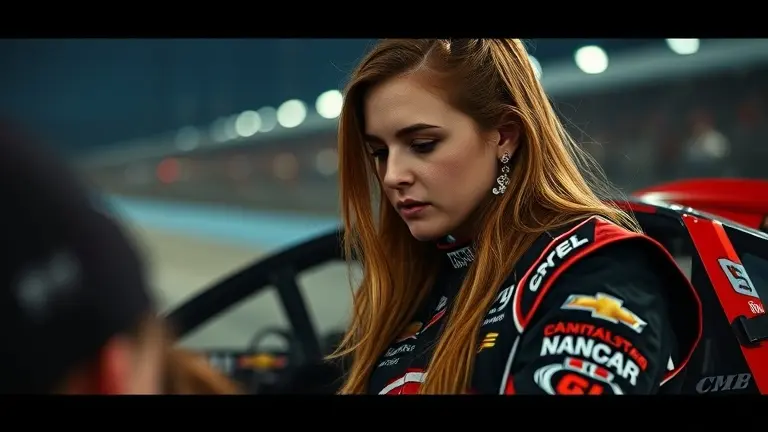
The recent departure of Natalie Decker from the NASCAR Craftsman Truck Series race at Dover Motor Speedway has ignited a polarized firestorm across social media, moving far beyond the typical post-race analysis. While headlines focus on the emotional intensity of her mid-race exit, a more critical narrative is often overlooked: the immense, compounding cognitive load placed on modern athletes who must navigate high-stakes technical performance while simultaneously managing the relentless scrutiny of a 24/7 digital audience.
This isn’t merely a story of one driver’s decision; it represents a broader, industry-wide challenge regarding how young, social-media-active professionals maintain mental stability under fire. As we move past the sensationalism of the incident, we must evaluate the intersection of extreme professional pressure, emotional fatigue, and the necessity for robust cognitive recovery tools that allow athletes to filter out the noise and reclaim their focus in the cockpit.
Analyzing the Dover Motor Speedway Incident
The events that unfolded during the May 15, 2026, NASCAR Craftsman Truck Series race at Dover Motor Speedway represent a complex intersection of mechanical failure and individual athlete burnout. The weekend was marked by mounting pressure for Natalie Decker, beginning with a high-impact practice collision earlier in the week that significantly compromised the integrity of her vehicle. According to official race data, technical struggles plagued her entry from the drop of the green flag, leaving her unable to maintain competitive pacing. By the time she officially exited the race, she was scored in the 34th position, a result that reflected both the vehicle’s mechanical limitations and an escalating internal frustration.
Timeline of the Mid-Race Departure
Observers monitoring team communications noted a distinct shift in tone as the race progressed. The “rage-quit” narrative circulating across digital platforms—specifically Reddit and X—stems from a volatile exchange over the team radio. Key facts regarding this period include:
- The Escalation: Persistent performance issues during the race triggered an emotional reaction, with audible distress captured over live broadcasts.
- The Radio Transmission: Decker was heard expressing extreme dissatisfaction with the truck’s handling, culminating in a statement indicating she was “not coming back,” shortly before she parked the vehicle off-track.
- The Aftermath: Following the departure, there was immediate social media speculation regarding the permanence of her decision and the future of her career in the series.
While early reports leaned into inflammatory rhetoric, objective analysis suggests that the decision to park the truck was the climax of a compressed timeline of incidents. The convergence of a damaged vehicle and the intense scrutiny of the NASCAR environment created an untenable atmosphere. Rather than a singular, impulsive moment, the incident highlights the ongoing challenges that drivers face when balancing technical setbacks with the overwhelming demands of the modern, social-media-focused racing business model. As the industry reflects on this event, the focus remains on the standard operating procedures for managing driver mental health and professional conduct under acute race-day duress.
Natalie Decker’s Career Trajectory and Industry Context
The professional journey of Natalie Decker serves as a representative case study for the modern evolution of stock car racing, where the lines between traditional driver development and personal branding have blurred significantly. Rising through the regional ranks to reach the NASCAR Craftsman Truck Series, Decker navigated a path common to many drivers seeking to bridge the gap between grassroots success and national exposure. However, her career has frequently intersected with the intense scrutiny that defines the current era of professional motorsport. Navigating this landscape requires not only technical proficiency behind the wheel but also the ability to withstand a 24/7 cycle of digital observation, a challenge that many athletes in the social media age find increasingly daunting.
The Dynamics of Modern Driver Development
Transitioning into high-visibility events like those held at Dover Motor Speedway places immense pressure on drivers to balance performance expectations with team requirements. In the current NASCAR ecosystem, the “influencer-driver” model adds a layer of complexity to standard race preparations. Factors influencing this dynamic include:
- Public Scrutiny: Drivers with large social media followings often face magnified criticism following mechanical failures or poor race finishes.
- Mental Health Support: The industry is currently engaged in a broader dialogue regarding the psychological resources available to young athletes navigating high-stress environments.
- Technical Challenges: Consistent, competitive performance in the Truck Series demands significant funding and alignment between a driver’s development goals and their team’s technical capabilities.
While the incident on May 15, 2026, sparked widespread public debate, it also highlighted the structural challenges faced by drivers attempting to maintain professional composure while managing mounting performance-related stress. Ultimately, the career trajectory of Natalie Decker reflects broader industry-wide questions about how teams can better support drivers during periods of intense volatility, ensuring that athletes remain focused on development while navigating the realities of a highly competitive and public-facing career path.
Social Media Scrutiny and the ‘Driver-Fan’ Dynamic

The incident involving Natalie Decker at the Dover Motor Speedway has reignited a complex debate regarding the role of social media in modern professional racing. As an athlete who maintains a significant digital presence, Decker exists at the intersection of traditional sports performance and the “influencer-driver” business model. When the radio audio of her frustration went public, platforms like X and Reddit became battlegrounds for polarized opinions. Critics argued that such outbursts fall short of the professional standards expected in the NASCAR Craftsman Truck Series, while supporters pointed to the immense, often relentless, psychological pressure exerted by digital communities on young, high-profile drivers.
The Impact of 24/7 Digital Surveillance
The modern fan-driver dynamic creates a unique stressor where every mistake is amplified by instantaneous feedback loops. For drivers navigating the developmental ranks, the constant scrutiny can be overwhelming. Key factors contributing to this friction include:
- Public Accountability: The accessibility of team radio and in-car audio clips means private moments of frustration are instantly transformed into public spectacles, often stripping away the context of the race.
- The ‘Influencer’ Tax: Drivers who leverage social media for sponsorships and personal branding often find that their online presence makes them lightning rods for criticism that extends far beyond the racetrack.
- Mental Health Stigma: The discourse surrounding the Dover incident reflects a wider industry struggle: balancing the demand for “authentic” fan engagement with the need for athlete privacy and mental health support.
Ultimately, the reaction to the Natalie Decker incident demonstrates the gap between the traditional expectations of racing professionalism and the reality of an era where fans expect total transparency. As teams and governing bodies look toward the future, the challenge remains in providing young talent with the emotional infrastructure to cope with a global, digital audience that is rarely forgiving of human error. The debate is not merely about one driver’s exit, but about how the sport manages the human cost of its own digital evolution.
Mental Health and Support in Modern Motorsports
The incident involving Natalie Decker at the Dover Motor Speedway serves as a sobering catalyst for a broader discussion regarding the intersection of high-stakes performance and psychological well-being in professional racing. In an era where drivers are expected to serve as both elite athletes and high-engagement influencers, the pressure to perform on the track while maintaining a constant social media presence creates a unique, high-stress environment. Industry experts suggest that the current NASCAR landscape lacks a standardized, proactive support system to help young drivers navigate the intense scrutiny that accompanies modern digital life. When performance plateaus occur—or when mechanical setbacks like those faced by the No. 22 team mount—the resulting emotional toll can manifest in public, high-visibility moments, as seen in the recent “rage-quit” episode that sparked polarized discourse across platforms like X and Reddit.
The Evolution of Driver Management
To move toward a more sustainable model, racing teams, sponsors, and sanctioning bodies must prioritize comprehensive mental health infrastructure. Balancing brand visibility with genuine athlete care is a delicate necessity, not merely a PR requirement. Modern driver development programs should integrate the following pillars to mitigate burnout and prevent public breakdowns:
- Dedicated Performance Psychology: Regular access to sport psychologists who understand the unique, high-octane pressures of motorsports.
- Social Media Moderation Training: Equipping drivers with tools to filter out toxic online noise and manage personal boundaries in an age of 24/7 digital accessibility.
- Holistic Support Ecosystems: Shifting the team-driver relationship from purely transactional performance-based contracts to long-term mentorship programs.
By normalizing these support systems, organizations can foster a culture where drivers like Natalie Decker feel supported through career lulls rather than isolated by them. The industry is currently at a turning point; the long-term viability of the “influencer-driver” business model depends on placing human welfare at the center of the professional agenda, ensuring that the next generation of talent is resilient enough to handle both the checkered flag and the spotlight.
Beyond the Noise: Mastering Your Cognitive Resilience
The events at Dover serve as a stark reminder that even at the highest levels of professional sport, the human mind remains the most critical—and most fragile—piece of equipment. When the pressure to perform converges with public critique, the resulting mental fatigue can cloud judgment and diminish performance, turning what should be a focused drive into a struggle against one’s own internal narrative. Addressing this “brain fog” is not a sign of weakness; it is a fundamental requirement for long-term survival in any high-stakes career.
To navigate this modern intensity, professionals are increasingly turning to advanced cognitive support to manage their mental state. The Brain Song offers a unique, neuroscience-based approach to clearing cognitive clutter, providing the mental clarity and resilience needed to withstand the pressures of public scrutiny. By integrating this tool into your daily regimen, you can proactively combat the exhaustion that leads to performance degradation, ensuring that you remain sharp, objective, and mentally fortified, no matter the intensity of your environment.
You don’t have to be a race car driver to feel the weight of constant, high-pressure demands. Whether you are navigating a corporate crisis or the public eye, protecting your cognitive health is the ultimate competitive advantage. It is time to move beyond reactive stress management and embrace a proactive strategy for peak mental performance.
 Explore how professionals in high-stress fields are using daily auditory stimulation to sharpen their focus and navigate intense public scrutiny with greater mental clarity.Transform My Mental Clarity Today!