

As of May 16, 2026, the Long Island Rail Road has effectively ground to a halt, marking the first major LIRR strike in 32 years. For the 300,000 daily commuters who rely on this artery to reach New York City, the shutdown is more than just a logistical challenge—it is a total disruption of your professional and personal life. With wage negotiations at a stalemate and no clear resolution in sight, the uncertainty of your morning commute is the new reality. Whether you are navigating bus bridge routes, scrambling for carpooling options, or attempting to negotiate remote work, the mental tax of this transition is immediate and exhausting.
This guide serves as your essential command center during this transit crisis. We are stripping away the political rhetoric to provide you with actionable, real-time data on alternative travel corridors, clarity on your rights regarding ticket refunds, and a battle-tested strategy to keep your performance high while the transit system remains paralyzed. You do not have to let this chaos dictate your day; stay informed, stay prepared, and regain control over your morning.
LIRR Strike Update: What You Need to Know Today
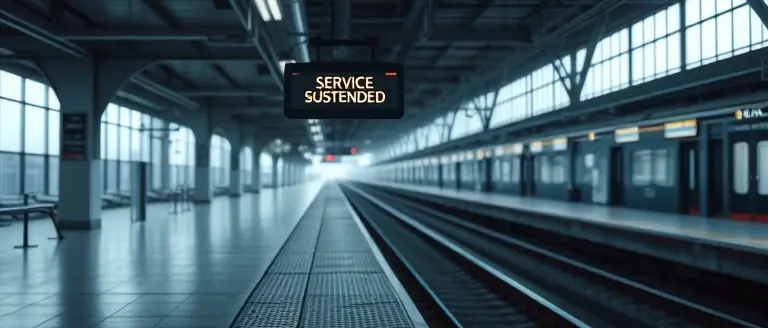
As of the morning of May 16, 2026, the Long Island Rail Road (LIRR) system has officially entered a state of complete operational shutdown. Following the expiration of the midnight deadline, contract negotiations between the Metropolitan Transportation Authority (MTA) and the unions representing rail workers reached a definitive impasse. This LIRR strike 2026 marks a historic moment in regional transit, as it is the first labor-related service stoppage to paralyze the nation’s busiest commuter rail network in 32 years. With no trains running, approximately 300,000 daily commuters are currently forced to navigate an unprecedented transit vacuum.
Current Status and Impact
The strike is active across the entire system, and commuters should operate under the assumption that no LIRR service is currently available. The shutdown is not localized; it impacts every branch of the rail system, creating immediate gridlock across the Long Island to NYC corridor. Because this is the first such occurrence in over three decades, many commuters are facing significant challenges in securing alternative transportation.
Key details regarding the current situation include:
- System-Wide Shutdown: All scheduled LIRR service has been suspended effective immediately.
- Commuter Impact: Roughly 300,000 individuals who rely on the MTA-operated service for their daily commute must now secure alternative transit methods.
- Negotiation Impasse: The core of the MTA dispute remains unresolved, with the primary sticking point revolving around wage hike disagreements between union leadership and transit authority officials.
- Regional Disruption: Expect heavy delays on major roadways, bridge crossings, and connecting bus routes as thousands of commuters scramble for limited space on alternate transport services.
At this time, travelers are advised to avoid commuting to stations entirely, as no service is expected to resume until a new agreement is ratified. Authorities are focusing on redirecting passenger volume to regional bus hubs and ferry terminals, though these systems are expected to operate well beyond their standard capacity.
Commuter Survival Guide: Navigating the Shutdown
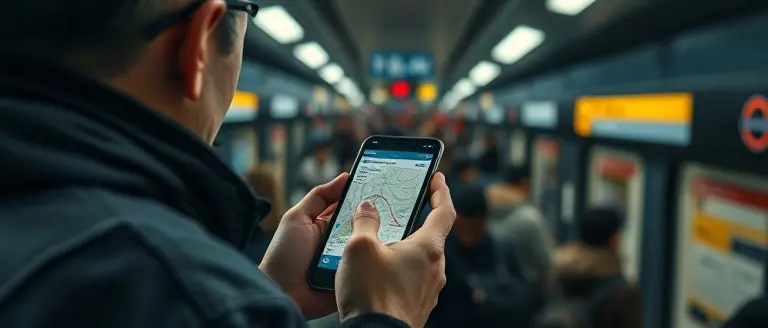
The initiation of the LIRR strike 2026 has effectively immobilized the nation’s busiest commuter rail network, leaving 300,000 daily passengers to navigate an unprecedented transit crisis. With the MTA infrastructure largely halted, commuters must pivot to contingency plans immediately. Because this is the first major labor action in 32 years, existing municipal systems are expected to reach maximum capacity quickly. Travelers are advised to avoid peak travel hours if possible and prioritize flexible, non-rail transit methods to mitigate the inevitable gridlock across the Long Island to NYC corridor.
Strategic Alternatives for Your Commute
When standard rail options are off the table, residents must leverage a combination of regional transit authorities and private alternatives:
- Bus Connectivity: Utilize MTA express bus routes and private carriers that connect Long Island hubs to Queens and Manhattan. Note that these will experience significant delays due to high demand.
- Subway Link-Ups: Access the outer reaches of the subway system where possible. If you can reach a subway terminus, prioritize this over surface road travel to avoid the worst of the highway congestion.
- Ferry Services: Monitor local ferry schedules closely, as these are expected to provide the most reliable, though limited, transit windows across the East River.
- Carpooling Hubs: Organize shared rides through localized community forums. With the Long Island Rail Road shut down, parking in NYC will become increasingly scarce and expensive; plan to drop off at transit-accessible zones rather than driving directly into the city center.
Remote Work and Ticket Refunds
If your role allows, clear communication with your employer regarding work-from-home arrangements is your most effective strategy for managing the disruption. For those who must travel, ensure you document all ticket costs. The MTA typically offers refund procedures for unused monthly or weekly passes during a service stoppage. Keep your physical or digital tickets as evidence, and monitor the official MTA portal for instructions on how to submit claims once the dispute is resolved. Stay informed through verified news outlets rather than relying on hearsay, as transit statuses are shifting hourly during this labor action.
How to Claim Your MTA Service Interruption Refund

With the LIRR strike 2026 causing a total shutdown of the nation’s busiest commuter rail network, many daily travelers are understandably concerned about the status of their monthly, weekly, or unused single-trip passes. If you are a commuter impacted by the current MTA labor dispute, it is essential to document your expenses immediately to facilitate potential reimbursement or credit requests. While the Metropolitan Transportation Authority typically maintains specific policies for service interruptions, the unprecedented nature of this 32-year industrial action means that official guidance on compensation may evolve rapidly. Commuters are advised to keep all digital receipts and physical tickets until the situation stabilizes.
Steps to Process Your Refund Request
To streamline your refund application, follow these necessary administrative procedures as soon as the MTA updates their portal to handle high-volume claims:
- Gather Documentation: Ensure you have your printed ticket stubs, digital ticket confirmation numbers from the TrainTime app, and proof of purchase (bank statements or credit card receipts).
- Check Official Portals: Monitor the official MTA/LIRR website frequently. During previous disruptions, the MTA has implemented a dedicated digital claims form for commuters to request prorated refunds for lost service days.
- Time-Stamp Your Records: If you are claiming a refund for a monthly pass, document the exact date and time you stopped using the service due to the strike, as this will influence the prorated calculation.
- Review Terms and Conditions: Consult the MTA’s “Conditions of Carriage.” While strike-related refunds are not always guaranteed under standard operating policy, exceptions are often made during extended shutdowns to maintain public goodwill and system integrity.
If your employer offers transit benefits through programs like Commuter Check or WageWorks, contact your HR department regarding the suspension of those deductions during the strike. Because this Long Island Rail Road disruption is widespread, wait times for customer service inquiries will be significantly longer than usual. Please remain patient and rely only on official MTA channels to submit sensitive payment information, as scammers often capitalize on transit crises to solicit fraudulent “refund” applications. Keep your transaction records secure and be prepared to provide them once the agency officially activates the refund claim submission process.
Understanding the Negotiation Sticking Points

The current LIRR strike 2026 stems from a fundamental breakdown in contract talks between the Metropolitan Transportation Authority (MTA) and the unions representing thousands of rail workers. As the nation’s busiest commuter rail system faces its first total stoppage in 32 years, the dispute centers on a widening gap between union wage demands and the fiscal constraints cited by transit officials. At the heart of the impasse is the struggle to reconcile rising inflation and the high cost of living in the New York metropolitan area with the MTA’s budgetary limitations.
Core Issues Behind the Impasse
While the situation remains fluid, the primary friction points that triggered this mta labor crisis include:
- Wage Increase Discrepancies: Unions are pushing for salary adjustments that reflect current economic pressures and the unique demands of rail operations. In contrast, the MTA has expressed concerns regarding the long-term sustainability of the requested packages given existing structural deficits.
- Healthcare and Benefits Contributions: Beyond base wages, negotiations have stalled over the distribution of healthcare costs. Both parties remain at odds regarding how much of the premium burden should be shifted to workers versus how much the agency should subsidize.
- Work Rules and Efficiency: Beyond direct compensation, the Long Island Railroad management has sought changes to work rule structures to increase operational flexibility, which union representatives argue could negatively impact worker quality of life and safety standards.
Transparency regarding these “sticking points” is vital for the 300,000 commuters currently navigating this disruption. The MTA maintains that their final offer attempted to balance fiscal responsibility with fair compensation, yet union leadership asserts that the proposal fails to keep pace with the essential services their members provide. As the strike continues, the divide illustrates the broader challenge of managing a massive, essential transit network in an era of heightened economic uncertainty and labor market volatility.
Maintaining Your Cognitive Edge Amidst Transit Chaos
The LIRR strike has transformed your daily routine into a high-stakes puzzle of congestion and uncertainty. While we have provided the tactical roadmap to help you navigate alternative transit routes and manage your logistical expectations, the greatest challenge remains the invisible one: mental fatigue. Constant shifts in schedule and the stress of gridlock can rapidly deplete your focus, leaving you drained before you even reach your desk. In this environment, your mental clarity is not just a luxury—it is your most valuable asset.
While you navigate the daily uncertainty of finding new transit routes, staying focused and avoiding mental burnout is your most valuable asset; here is a simple way to maintain your cognitive edge during these chaotic morning hours. We recommend incorporating The Brain Song into your daily routine. This 12-minute audio sequence is specifically designed to cut through the mental fog caused by high-stress environments, acting as a performance accelerator that prepares your mind to handle the unpredictable nature of your new commute with calm, composed precision. By utilizing this tool, you ensure that even when your transportation is delayed, your professional productivity and focus remain sharp.
Integrating this brief, non-invasive audio routine into your morning gives you the psychological upper hand, allowing you to reclaim your morning and approach each workday with renewed mental strength. Do not let the MTA strike compromise your cognitive performance; equip yourself with the clarity you need to thrive despite the disruption.
 Reclaim your focus during your longer commute: Try this 12-minute routine to start your day with total mental clarity.Yes, I Want This Now!