
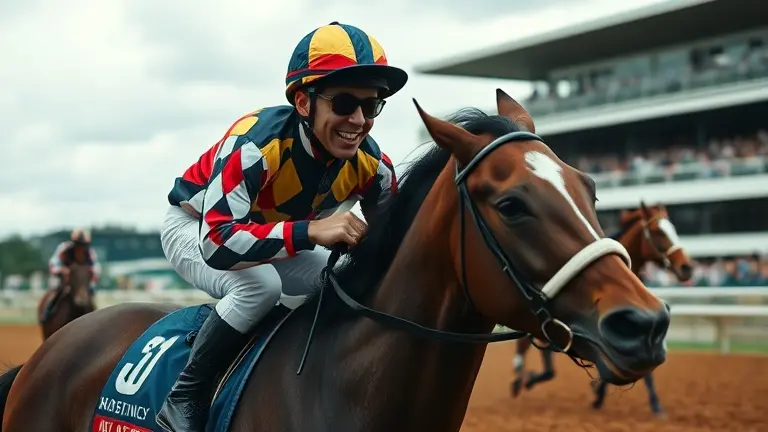
On May 2, 2026, Jose Ortiz secured his place in racing history with a masterful victory aboard Golden Tempo at the 152nd Kentucky Derby. Yet, as he prepares for the Preakness Stakes today, the atmosphere surrounding the jockey has shifted from pure athletic celebration to intense public scrutiny. A sudden controversy involving reported ties to illegal activities in Puerto Rico—a situation also involving high-profile figures like Edwin Diaz—has cast a long, complex shadow over his pursuit of the Triple Crown.
This rapidly evolving narrative creates a unique friction between the sporting world’s demand for peak physical performance and the unforgiving nature of a media-driven scandal. As the racing community holds its breath, the pressure on Ortiz is unprecedented. Navigating this environment requires more than just technical skill; it demands elite cognitive resilience. In the following analysis, we examine how the intersection of intense professional expectations and mounting external noise challenges even the most disciplined athletes, and why maintaining mental clarity under such pressure is the true mark of a champion.
Jose Ortiz: Kentucky Derby Success Overshadowed by Off-Track Controversy
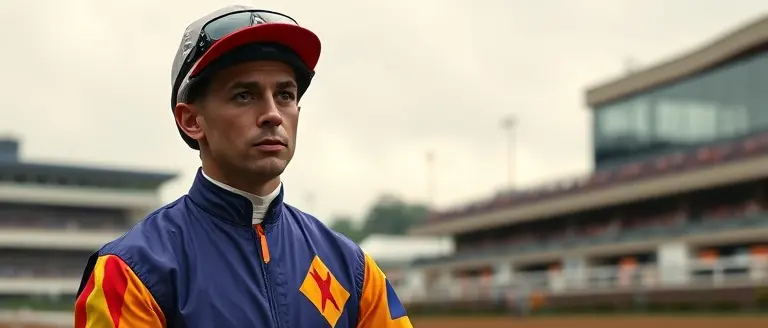
The professional trajectory of jockey Jose Ortiz reached a career-defining pinnacle on May 2, 2026, when he piloted ‘Golden Tempo’ to a spectacular victory in the 152nd Kentucky Derby. This triumph solidified his status as one of the elite riders in the sport, setting the stage for a potential Triple Crown run. However, as Ortiz prepares for the Preakness Stakes today, May 16, aboard his new mount ‘Chip Honcho’, the narrative surrounding his participation has shifted dramatically. Instead of focusing solely on his quest for racing history, the sports world is grappling with reports linking the jockey and his brother to investigations regarding illegal cockfighting in Puerto Rico.
Navigating Professional Performance Amid Public Scrutiny
The emergence of these allegations—which have also involved other high-profile figures such as MLB pitcher Edwin Diaz—has cast a long shadow over the Preakness weekend. While racing enthusiasts continue to analyze Ortiz’s tactical ability and recent track performance, mainstream media outlets are increasingly focused on the ethical implications of the reported associations. The situation presents a complex challenge for the regulatory bodies within horse racing, as they must balance the integrity of the sport with the presumption of innocence for the athletes involved.
Key aspects of the current situation include:
- The Triple Crown Narrative: Ortiz remains a primary contender for the Triple Crown, a feat that usually commands undivided media attention.
- Broadening Investigations: Reports suggest that the Puerto Rican authorities are widening their scope, placing Ortiz in the center of a developing legal and public relations crisis.
- Athlete Accountability: The incident has sparked a wider conversation about the personal conduct of professional athletes and the responsibility of sports organizations to address off-track controversies swiftly.
As the industry awaits the outcome of the Preakness Stakes, the contrast between the celebratory atmosphere at the track and the gravity of these off-track allegations remains stark. Whether Ortiz can maintain the focus necessary to secure back-to-back wins remains to be seen, but the controversy has undoubtedly transformed his appearance at Pimlico into one of the most scrutinized moments in recent racing history.
Preakness Stakes Preview: Eyes on ‘Chip Honcho’ Amidst Distractions
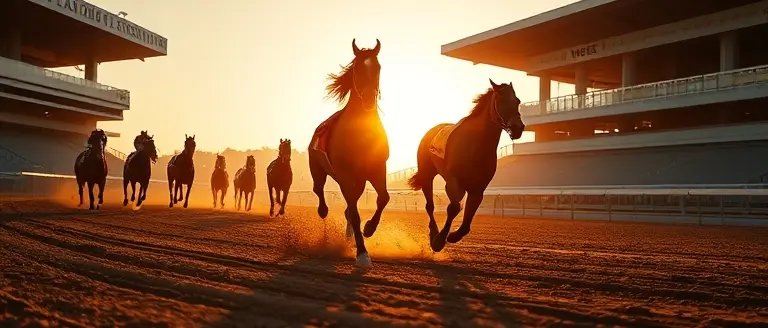
As the racing world descends on Pimlico Race Course for the 152nd running of the Preakness Stakes, all eyes are fixed on Jose Ortiz. Coming off a commanding victory in the Kentucky Derby aboard ‘Golden Tempo’, Ortiz faces a unique tactical challenge today. He enters the starting gate riding ‘Chip Honcho’, a horse that requires a vastly different racing strategy than his Derby winner. While ‘Golden Tempo’ favored a closer’s pace, ‘Chip Honcho’ is known for a more aggressive, front-running style that necessitates precise timing and high-level engagement from the jockey. The logistical preparation for this mount has been intensive, focusing on stamina maintenance and gate quickness, which are critical for navigating the unique distances of the Preakness track.
Navigating Performance Under Pressure
The atmosphere surrounding this year’s event is undeniably complex. While the sports world remains captivated by his bid for a historic Triple Crown run, Jose Ortiz finds himself navigating a turbulent media cycle. Reports regarding his association with broader investigations into illegal activities in Puerto Rico have generated significant public scrutiny. For a professional athlete, maintaining peak performance requires exceptional mental fortitude, especially when external distractions reach a fever pitch just hours before post time.
Athletic experts suggest that the impact of these distractions on a rider’s performance is often mitigated by the sheer routine of the sport. Key factors to watch during today’s race include:
- Tactical Execution: Whether Ortiz can keep ‘Chip Honcho’ focused despite the heightened media presence.
- Race Tempo: Maintaining a steady, competitive pace against a talented field of challengers.
- Post-Race Demeanor: How the jockey addresses the media environment following the official results.
Ultimately, the focus remains on the track. Whether Ortiz can channel this intense professional pressure into a winning ride will determine if he continues his historic trajectory toward racing greatness.
Regulatory Oversight: How Horse Racing Bodies Navigate Athlete Controversies

The governance of professional horse racing relies on a complex network of state racing commissions and independent regulatory bodies designed to maintain the integrity of the sport. When high-profile participants like Jose Ortiz face public scrutiny or off-track legal allegations, these organizations must navigate the delicate balance between public perception and the foundational legal principle of “innocent until proven guilty.” Regulatory frameworks are primarily structured to address conduct that occurs within the racing enclosure or directly impacts the welfare of the horses, leaving external legal matters often to the discretion of local authorities and jurisdiction-specific licensing boards.
Balancing Ethics and Due Process
To maintain professional standards, racing commissions typically employ a tiered approach when responding to controversies involving licensees:
- Licensing Review: Regulatory bodies may conduct inquiries to determine if an individual’s conduct brings the sport into disrepute, potentially threatening their ability to hold a valid riding license.
- Neutrality Protocols: Commissions often avoid interim suspensions unless there is credible evidence of a direct threat to the safety of riders, horses, or the public, or if a criminal indictment has been formally filed.
- Cooperation with Law Enforcement: Regulators frequently act as conduits, providing necessary documentation to authorities while simultaneously ensuring that the jockey’s right to due process is preserved throughout the investigation.
The challenge for the sport is navigating the pressure of the 24-hour news cycle. In the case of widespread public interest, such as the current inquiries into alleged external associations, oversight bodies must remain objective. By adhering to established bylaws rather than reacting to viral trends, organizations aim to protect the long-term credibility of the Triple Crown events. Ultimately, the burden of proof rests with legal authorities, while racing officials focus on ensuring that the competitive environment remains fair, safe, and free from external influence that could compromise the outcome of prestigious races.
Post-Race Outlook: Monitoring Performance and Public Response
The outcome of today’s Preakness Stakes represents a critical juncture for Jose Ortiz, both as an elite athlete chasing the Triple Crown and as a public figure currently entangled in unwanted scrutiny. Given the viral nature of the allegations linking him and other sports figures to controversies in Puerto Rico, the immediate performance of ‘Chip Honcho’ will be analyzed through two distinct lenses: the integrity of the race and the personal composure of the rider. Observers are closely monitoring whether the high-pressure environment of the Pimlico track affects his tactical decisions, or if he can maintain the form that propelled him to victory at the 152nd Kentucky Derby.
Why the Immediate Aftermath Matters
The search trajectory and fan sentiment surrounding Jose Ortiz are poised to shift dramatically based on the events that unfold in the winner’s circle or the jockey’s room following the race. Industry analysts emphasize that the aftermath is vital for several reasons:
- Public Statements: Any post-race interviews will be scrutinized for official acknowledgment or denial regarding the current legal and ethical allegations.
- Performance Metrics: Racing experts will evaluate whether the distraction impacted his race-day focus, providing a baseline for his ongoing professional viability.
- Regulatory Scrutiny: Official responses from horse racing governing bodies regarding his participation under these conditions may clarify his future standing in the sport.
Until verified information and official statements are released, the industry must resist the urge to speculate on the potential ramifications for his career. Relying on concrete race performance data and confirmed quotes is the only way to maintain the factual integrity of this evolving story. As the situation remains sensitive, the focus should stay on the separation of his professional sporting achievements from the broader, ongoing investigations currently dominating mainstream headlines.
Mastering Mental Resilience Under Pressure
As Jose Ortiz prepares for the Preakness Stakes, he faces the ultimate test—not just of his horsemanship, but of his cognitive stability in a high-stakes environment where public scrutiny threatens to derail his performance. The intersection of professional excellence and external controversy demands a level of mental fortitude that few ever achieve, yet it remains the deciding factor between a historic triumph and a career-defining distraction.
In an environment where split-second decisions define a career and external noise threatens to cloud judgment, maintaining peak mental clarity is the ultimate differentiator for any professional. Just as an elite jockey requires absolute presence to navigate the intensity of the track, you need a method to sustain focus and emotional regulation amidst the chaos of your daily challenges. This is where professional-grade cognitive optimization becomes essential.
We recommend integrating a scientifically-backed routine to sharpen your focus and ensure that you, like the top performers in the world, can maintain total control over your mental state, regardless of external pressures. By dedicating just minutes a day, you can bypass the mental fog caused by stress and reclaim your clarity. It is time to treat your cognitive performance with the same strategic intensity as the biggest race of the year.
 Discover how to sharpen your focus and maintain mental performance even under the most intense pressure by integrating this 12-minute daily audio routine.Yes, I Want This Now!