
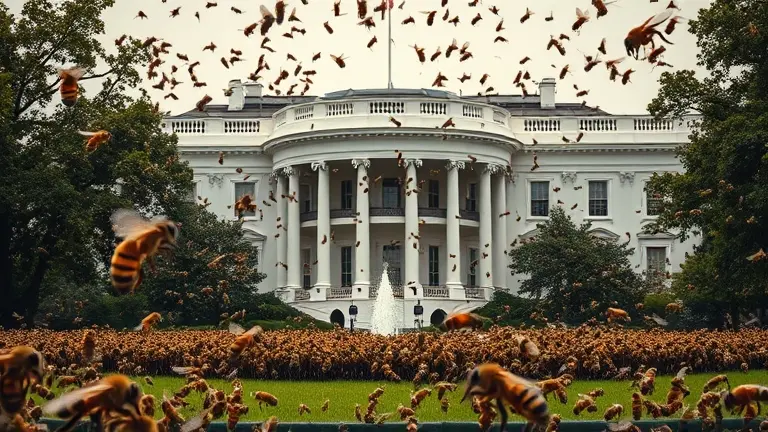
On May 15, 2026, the quiet routine of the White House grounds was interrupted by a buzzing spectacle that captured the nation’s attention. A massive swarm of honeybees descended upon the North Lawn, turning 1600 Pennsylvania Avenue into the unexpected epicenter of an ecological event. While headlines have been quick to fixate on the novelty of the location—particularly given First Lady Melania Trump’s recent addition of new honeybee colonies—this phenomenon is actually a common, natural occurrence in the spring lifecycle of honeybees.
Beyond the viral photos and media speculation, this moment offers a unique opportunity to demystify honeybee behavior and highlight the vital role of urban beekeeping. Rather than fearing these swarms as an ‘attack,’ we should view them as a signal of active, healthy, and reproducing colonies. By shifting our perspective from sensationalism to education, we can better understand how to #ProtectTheBees and support these essential pollinators right where we live. Let’s dive into what this swarm truly means and how you can take meaningful action to support local biodiversity.
The White House Swarm: What Happened on the North Lawn?
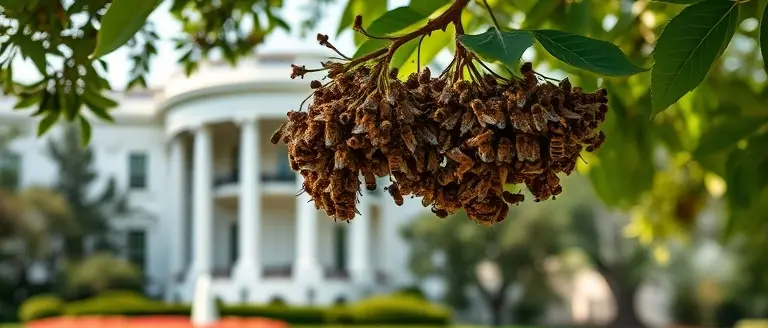
On May 15, 2026, the quiet routine of the Executive Mansion was interrupted by a natural phenomenon that quickly captivated the nation. A massive honeybee swarm descended upon the North Lawn, turning the grounds of 1600 Pennsylvania Avenue into a focal point for media outlets and curious observers alike. The spectacle, which was first spotted by reporters stationed at the White House, featured thousands of bees gathering in a dense, swirling cluster—a sight that is as biologically fascinating as it is visually arresting. The event gained immediate traction online, with viral footage spreading across platforms like TMZ and major news networks, often framed with sensationalist headlines regarding an “unexpected buzz” at the seat of American power.
Understanding the Timing and Context
The arrival of the swarm occurred only weeks after First Lady Melania Trump oversaw the installation of new honeybee colonies on the White House grounds, an initiative aimed at promoting local biodiversity. This timing inevitably sparked widespread media speculation, with many questioning whether the swarming bees were connected to the newly established apiary. While it is tempting to draw a direct line between the two, experts emphasize that:
- Natural Lifecycle: Swarming is a standard reproductive phase for honeybee colonies, particularly during the spring months of May and June.
- Environmental Triggers: The bees are simply looking for a new home as the original colony outgrows its hive, a process that is entirely normal in urban and rural environments alike.
- Non-Aggressive Behavior: Despite the alarmist tone often found in viral reporting, a swarming colony is typically docile, as the bees are preoccupied with protecting their queen rather than defending a hive.
Rather than a “sting operation,” this event serves as a high-profile reminder of the vital role pollinators play in our ecosystem. By shifting the narrative from a viral news curiosity to an educational opportunity, the White House swarm highlights the importance of urban beekeeping and the ongoing effort to #ProtectTheBees in our nation’s capital.
Understanding Swarming: It’s Not an Attack
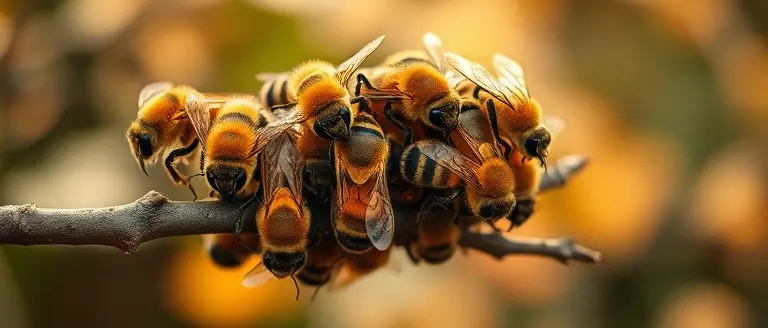
When thousands of bees swarm the White House, it is easy for observers to perceive the event as an aggressive mobilization. However, biologists and apiarists emphasize that what occurred on the North Lawn is a fundamental, non-aggressive reproductive cycle of the honeybee. Swarming is the colony’s natural method of expansion, occurring typically during the spring months of May and June. When a hive becomes too crowded or the resources in the immediate area reach a threshold, the colony initiates this biological process to ensure the survival and proliferation of the species.
During a swarm, the original queen leaves the hive with approximately half of the worker bee population to scout a new location. The remaining bees stay behind to raise a new queen, effectively splitting the original colony into two. Because the bees in a swarm are currently “homeless,” they have no hive, brood, or honey stores to defend. This biological reality makes them exceptionally docile compared to bees guarding an established colony.
Why Swarms Are Generally Docile
It is a common misconception that a massive cloud of bees is inherently dangerous. In reality, swarming bees exhibit several specific behaviors:
- Focus on the Queen: The primary objective of the swarm is to protect their queen and locate a suitable cavity for a new nest.
- Lack of Defensive Triggers: Without an established hive to protect, the bees are far less likely to exhibit stinging behavior unless they feel physically crushed or threatened.
- Energy Conservation: Bees in a swarm are often engorged with honey from their previous hive to provide them with the energy needed to travel, which physically limits their ability to sting.
The viral attention surrounding the bees swarm White House event serves as an excellent educational opportunity. By shifting the narrative away from sensationalist fear, we can better appreciate the complex social structure of these essential pollinators. As we observe these natural phenomena, it is vital to remember that a swarm is simply nature’s way of ensuring the next generation of pollinators thrives. #ProtectTheBees
The Role of the New White House Apiary
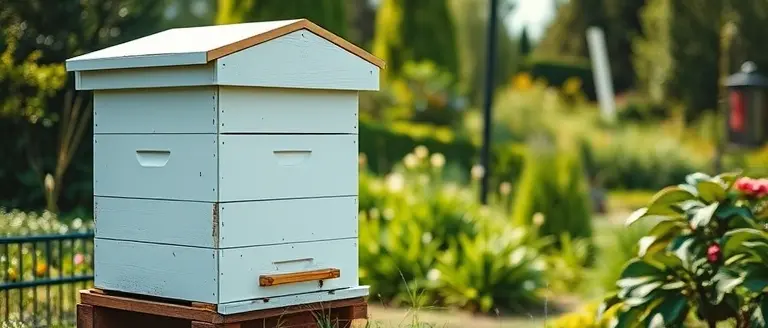
The recent addition of two honeybee colonies to the White House grounds by First Lady Melania Trump represents a significant commitment to pollinator conservation within the nation’s capital. By establishing an active apiary at 1600 Pennsylvania Avenue, the administration highlights the critical necessity of supporting biodiversity in urban landscapes. These colonies serve as more than just a garden feature; they act as a high-profile educational symbol for the importance of urban beekeeping and the fragile state of global bee populations. When public institutions adopt sustainable practices, they encourage private citizens to recognize their own role in environmental stewardship, demonstrating that even dense metropolitan environments can support essential insect life.
Separating Fact from Media Speculation
While media outlets have been quick to link the May 2026 bees swarm at the White House to the new apiary, experts caution against assuming a direct causation. Swarming is a natural, healthy biological phase that occurs when a colony reaches a critical size and divides to reproduce. During the spring months of May and June, it is common to see thousands of honeybees in transit as they seek a new home.
- Biological Migration: A swarm is not an aggressive act, but rather a temporary phase where bees are at their most docile, as they have no hive to protect.
- The “New Hive” Myth: It is statistically likely that the swarm observed on the North Lawn originated from a separate, wild, or feral colony in the surrounding D.C. area, rather than the First Lady’s managed hives.
- Ecological Balance: Regardless of origin, the presence of these bees underscores the importance of the #ProtectTheBees movement, emphasizing that these insects are vital for our food security and ecosystem health.
Ultimately, the goal of modern beekeeping programs like the one at the White House is to foster a healthier environment for all pollinators. By creating protected corridors and providing safe habitats, institutions can effectively help mitigate the decline of these essential species, proving that public awareness and practical conservation can successfully coexist.
How You Can Help Pollinators at Home #ProtectTheBees
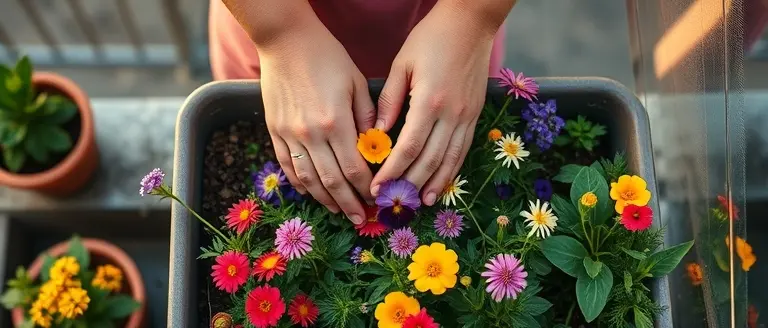
The recent news regarding a bees swarm at the White House has brought much-needed attention to the vital role these insects play in our ecosystem. While the spectacle on the North Lawn serves as a reminder of nature’s presence in urban centers, it also provides a unique opportunity for homeowners and apartment dwellers to contribute to pollinator health. Supporting local bee populations is not limited to large-scale apiaries; even small, deliberate changes in your landscape can create a thriving habitat.
Simple Steps to Support Pollinators
To effectively #ProtectTheBees, consider implementing these sustainable practices in your own backyard or balcony:
- Plant Native Wildflowers: Focus on species native to your specific region. Native plants have co-evolved with local pollinators, providing the most efficient sources of nectar and pollen.
- Eliminate Chemical Pesticides: Many common garden chemicals are toxic to beneficial insects. Transitioning to organic pest management ensures that the environment remains safe for bees while they forage.
- Provide Water Sources: Bees need hydration, especially during the hot summer months. A shallow basin filled with water and stones or marbles allows bees to land safely and drink without the risk of drowning.
- Create “Wild” Zones: Leave small sections of your yard unmowed or unraked. Many native solitary bees nest in hollow stems or underground, and these undisturbed patches serve as essential sanctuary spaces.
By fostering a bee-friendly environment, you are directly supporting the biodiversity necessary for a healthy food chain. Whether you are planting a single container of lavender on a windowsill or converting a lawn into a pollinator meadow, your efforts contribute to the broader mission of sustaining the global bee population. Every garden serves as a critical link in the ecological corridor, proving that individuals can have a meaningful impact on the environment.
Turning Viral Curiosity Into Ecological Impact
The sudden appearance of a honeybee swarm at the White House is a fascinating reminder of nature’s rhythm, but it also serves as a critical call to action for environmental stewardship. While watching these pollinators drift across the North Lawn makes for a viral story, the real work happens in our own backyards. Protecting our essential bee populations requires more than just observation; it demands the creation of safe, managed habitats that provide stability in an increasingly urbanized world.
While understanding swarm behavior is a great first step, the best way to help these vital pollinators is to provide them with a safe, managed sanctuary in your own garden. This is where you can bridge the gap between passive interest and tangible impact. By utilizing professional-grade blueprints, you can construct custom-built bee-friendly structures that offer a secure haven for local pollinators, turning your outdoor space into a thriving, life-sustaining ecosystem.
Ted’s Woodworking provides the essential technical toolset for any reader ready to move from curiosity to actual ecological contribution. With thousands of precise plans at your fingertips, you have the power to build the habitats that our environment desperately needs. Don’t just watch the news—become an active participant in protecting the future of our pollinators.
 Ready to turn your interest into impact? Get access to 16,000 professional woodworking plans and start building your own pollinator-friendly structures today.Start Building My Bee Sanctuary Today!