

As the whirlwind of the newborn phase settles, the transition into the toddler years brings a new wave of excitement—and a distinct set of challenges. In an era where aesthetic trends lean heavily into nostalgic, vintage-inspired parenting, today’s parents are increasingly seeking to balance high-end design with the practical, scientific realities of early childhood development. From managing emotional regulation to selecting sustainable gear that actually lasts, the focus is shifting away from fleeting trends and toward creating environments that are as durable as they are beautiful.
Bridging this gap requires more than just following the latest celebrity naming conventions or fashion cycles; it demands an intentional approach to the physical space your child inhabits. By blending modern developmental insights with the timeless appeal of classic craftsmanship, you can create a sanctuary that supports your toddler’s growth while honoring a sophisticated design language. It is time to look past the plastic, disposable options that dominate the market and return to the roots of intentional living, ensuring your little one’s first years are supported by quality, substance, and soul.
The 2026 Toddler Renaissance: Why Vintage Parenting is Defining the Modern Aesthetic
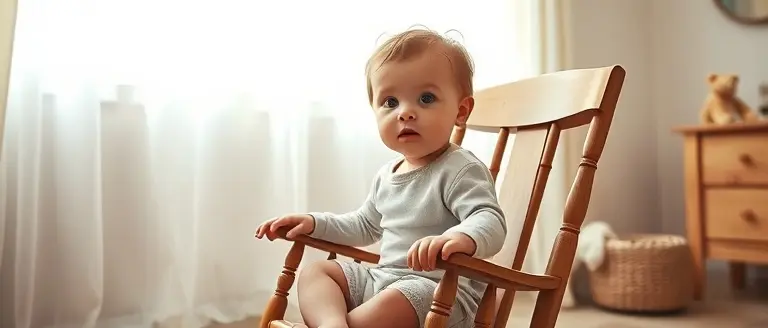
The 2026 toddler landscape is currently defined by a sharp pivot toward “retro-parenting,” a cultural phenomenon that favors intentional, nostalgic living over the high-tech, screen-saturated environments of the past decade. This shift is deeply influenced by high-profile celebrity aesthetics—such as the recent public buzz surrounding the pregnancy of Barbara Palvin—which has propelled a resurgence in classic, “old-world” charm. Modern parents are increasingly opting for vintage-inspired naming conventions, turning to timeless monikers that evoke a sense of heritage and stability, effectively pushing back against the trend of overly modern or digital-native identifiers.
Blending Heritage with Modern Intentionality
This “Toddler Renaissance” is not merely aesthetic; it represents a psychological shift toward minimalism and tactile development. Parents are curating environments that prioritize heirloom-quality wooden toys and artisanal textiles, moving away from plastic-heavy playrooms. By integrating traditional wisdom with current scientific insights into toddler developmental milestones, families are creating spaces that support emotional regulation and cognitive growth. This intersection of vintage style and modern behavioral science is becoming the gold standard for the informed 2026 parent.
Key pillars of this movement include:
- Heritage Naming: A preference for traditional names that feel grounded and distinct from modern, viral trends.
- Tactile Engagement: Replacing passive electronic entertainment with sensory-rich, analog activities that encourage motor skill development.
- Minimalist Environments: Curating physical spaces that reduce sensory overload, fostering a calmer atmosphere conducive to toddler growth.
- Conscious Consumption: Choosing sustainable, durable gear that reflects a “buy once, pass down” mentality, mirroring the practical wisdom of previous generations.
As we move through 2026, evidence suggests that the desire for authentic, grounded parenting will continue to define how families approach the transition from infancy to the toddler phase. By prioritizing presence over digital connectivity, parents are successfully reclaiming a slower, more intentional lifestyle that honors the past while supporting the unique needs of their children.
Developmental Milestones: A Data-Backed Guide to the ‘Transition Year’
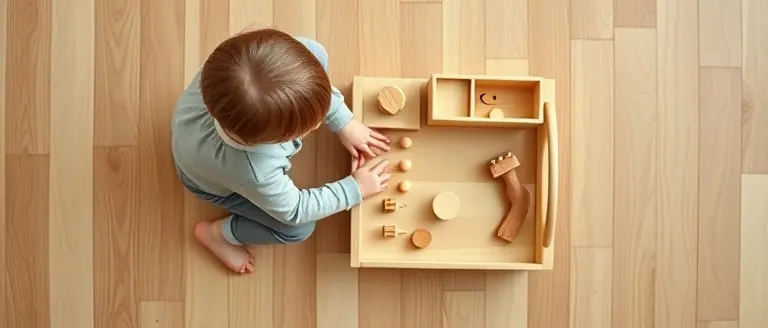
The transition from late infancy to the toddler stage—typically defined as the period between 12 and 24 months—represents the most rapid phase of neurological and physical growth in early childhood. During this “transition year,” children move from tentative, supported steps toward autonomous exploration. Clinical data suggests that developmental trajectories are highly individual, yet most children hit predictable markers within a broad, healthy range. Rather than focusing on rigid age-based timelines, modern pediatric science emphasizes “developmental windows,” acknowledging that early childhood progression is rarely linear.
Cognitive and Motor Advancements
As your child enters the toddler phase, their brain architecture is busy refining complex motor control and linguistic processing. Key milestones observed during this window include:
- Gross Motor Skills: Transitioning from “cruising” on furniture to walking independently, and eventually mastering the ability to navigate stairs with assistance.
- Speech and Language: Shifting from non-verbal communication and simple babbling to a “vocabulary explosion,” where children start identifying objects and expressing simple desires.
- Fine Motor Coordination: Improving the “pincer grasp” to manipulate small objects, stacking blocks, and successfully self-feeding with utensils.
Debunking Modern Myths
It is common for parents to feel pressure when comparing their child to “vintage” parenting standards or social media benchmarks. However, data-backed insights confirm that early walking or early speech is not a definitive predictor of long-term intelligence or capability. Many myths surrounding “early intervention” are rooted in outdated behavioral expectations that fail to account for the unique temperament of the modern child.
Evidence suggests that consistent, responsive interaction is the most critical driver of toddler development. Emotional regulation begins to take root as the prefrontal cortex starts to develop; therefore, providing a secure, predictable environment is significantly more effective than utilizing “accelerated” learning tools. Understanding that “normal” is a wide spectrum empowers parents to prioritize emotional bonding and curiosity-driven play over artificial milestones.
Vintage-Inspired Toddler Fashion: Style That Transcends Seasons

The modern toddler wardrobe is undergoing a significant shift, moving away from fast-fashion trends toward the “slow fashion” movement. As parents increasingly embrace a return to tradition—mirroring the popularity of vintage-inspired baby names seen in 2026—the demand for heirloom-quality garments has reached an all-time high. This aesthetic prioritizes longevity, focusing on high-quality natural fibers like organic cotton, linen, and wool. These textiles are not only gentle on sensitive skin but are also durable enough to withstand the high-energy demands of the toddler stage, from initial steps to active exploration.
Building a Sustainable Capsule Wardrobe
Creating a functional wardrobe for your toddler doesn’t require a constant influx of new items. Instead, successful parents are adopting a capsule approach, where a few versatile, high-quality pieces can be mixed and matched to create numerous outfits. This minimalist philosophy reduces waste and emphasizes classic cuts—such as pinafores, knit rompers, and collared shirts—that never go out of style.
To curate an effective vintage-inspired collection, consider these essential strategies:
- Prioritize Neutrals: Stick to a palette of earth tones, creams, and soft muted pastels, which allow for seamless layering and coordinate easily across different seasons.
- Invest in Quality Textiles: Choose breathable, sustainable fabrics like organic linen or organic cotton, which naturally regulate temperature and resist wear and tear.
- Focus on Utility: Look for garments with adjustable straps, elastic waistbands, and reinforced seams that provide the mobility a growing child needs while maintaining a polished, nostalgic silhouette.
- Support Artisanship: Much like the vintage name movement, parents are now gravitating toward small-batch makers who prioritize traditional construction methods, ensuring that each garment is built to be passed down.
By focusing on these timeless elements, you can build a wardrobe that is as practical as it is stylish, perfectly balancing modern toddler care with a refined, enduring aesthetic.
Bridging the Gap: Marrying Old-School Wisdom with Modern Challenges

In 2026, the resurgence of vintage-inspired parenting is more than an aesthetic preference; it is a subconscious pushback against the digital saturation defining modern life. While current trends emphasize nostalgic names and classic silhouettes, the true value lies in extracting the developmental wisdom of previous generations and integrating it into our fast-paced environment. Raising a toddler today involves navigating the friction between curated social media lifestyles and the raw, unpredictable reality of early childhood development. Evidence suggests that “vintage” pillars—such as unstructured outdoor play and community-centered engagement—directly support the neurological requirements of a growing brain, effectively acting as an antidote to the modern crisis of digital overload.
Actionable Strategies for the Modern Home
To balance an aesthetic-forward household with evidence-based child development, parents should adopt a “slow-growth” mindset that prioritizes long-term resilience over instant gratification. By modernizing classic parenting principles, you can create an environment that feels timeless yet scientifically sound:
- Prioritize Kinetic Development: Mimic the vintage “all-day outdoor” approach by dedicating the first three hours of the morning to sensory-rich, nature-based activities. This supports motor skills and emotional regulation far better than any digital educational tool.
- Curate Minimalist Play Spaces: Apply a vintage lens to your toddler gear. Opt for high-quality, sustainable materials—wood, cotton, and linen—that encourage imaginative play rather than battery-operated toys that often dictate how a child should interact with them.
- Establish Boundaries with Intent: While 2026 demands digital fluency, use the “vintage” wisdom of limited screen exposure. Treat digital media as a professional tool for connection rather than a pacifier, maintaining clear boundaries that protect your child’s attention span and focus.
By intentionally blending the best of the past with the necessities of the present, you foster a development-focused home that celebrates the beauty of the toddler years without compromising on your family’s digital well-being.
Building a Legacy for Your Little One
Navigating the toddler years is more than just managing developmental milestones; it is about cultivating an environment that honors both scientific growth and personal values. As you seek to move away from disposable, mass-produced gear, you are reclaiming the art of intentional parenting. By choosing quality over convenience, you aren’t just furnishing a room; you are crafting a childhood sanctuary that feels both timeless and deeply personal.
Creating a truly timeless, vintage-inspired nursery doesn’t require scouring expensive boutiques; instead, many modern parents are returning to the craft of building heirloom-quality pieces themselves to ensure their toddler’s environment is both safe and uniquely stylish. This shift toward sustainable, hands-on creation allows you to produce custom, non-toxic furniture that stands the test of time, perfectly bridging the gap between nostalgic aesthetics and modern safety standards.
Whether you are a seasoned builder or a complete novice, Ted’s Woodworking acts as the essential maker’s toolkit for the intentional parent. With access to thousands of professional blueprints, you can transform your nursery into a space that reflects your dedication to quality and design, ensuring your toddler thrives in a home built by your own hands. Ready to begin your legacy project today?
 Ready to build a legacy for your child? Access over 16,000 professional plans to create the perfect vintage-inspired furniture for your toddler’s room today.Start My Woodworking Project Now!