

The Trophée Clarins 2026 has become a focal point for tennis analysts and bettors alike, with American rising star Katie Volynets emerging as the headline story of the week. As she advances into the quarter-finals, Volynets is not merely winning points; she is demonstrating a tactical maturity on the clay that sets her apart in a crowded WTA field. For observers tracking her trajectory, the upcoming showdown against Yuliia Starodubtseva is more than just another match—it is a critical test of her court craft and psychological grit ahead of the major-tournament season.
Beyond the simple scorelines, there is a profound depth to Volynets’ game that warrants closer inspection. Her ability to navigate the complexities of clay-court tennis, characterized by long rallies and rapid-fire decision-making, reveals an athlete operating at the peak of her cognitive powers. For the sophisticated fan, understanding this evolution requires looking past the statistics to the mental mechanics behind the movement. This analysis explores how Volynets uses intense concentration to dominate her opponents and how you, too, can tap into that same level of high-performance focus.
Katie Volynets at Trophée Clarins 2026: Quarter-Final Preview
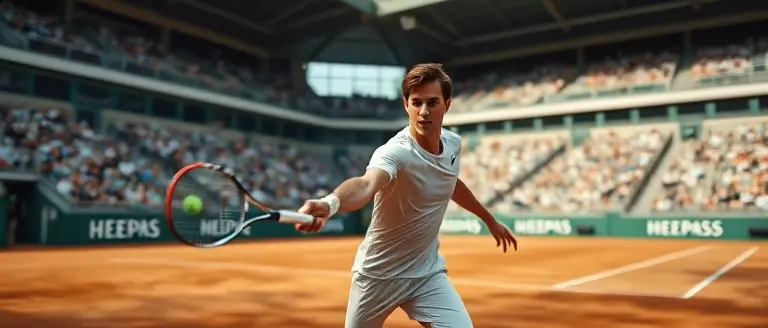
Katie Volynets continues her impressive run at the Trophée Clarins 2026 in Paris, demonstrating the tactical maturity and resilience that have become hallmarks of her professional career. As of May 15, 2026, the American rising star has successfully navigated the opening rounds of this high-stakes WTA 125 tournament, signaling a peak in her clay-court form just weeks before the major events of the summer season. Following a hard-fought battle against Emma Navarro on May 14, Volynets has officially booked her spot in the quarter-finals, where she is set to face the formidable Yuliia Starodubtseva.
Strategic Outlook and Match Context
The upcoming showdown against Starodubtseva represents a critical test for Volynets. Analytical data from recent matches suggests that Volynets is finding significant success with her defensive consistency and ability to extend rallies, a strategy particularly well-suited for the European clay surface. Tennis enthusiasts tracking the tournament are focusing on several key performance indicators as the quarter-final match approaches:
- Baseline Efficiency: Her ability to transition from defense to offense under pressure has neutralized power hitters in previous rounds.
- Court Coverage: Volynets has displayed superior movement, effectively sliding into shots to sustain deep groundstroke exchanges.
- Momentum Management: Having cleared the hurdle of the earlier rounds, she enters the quarter-final stage with proven match rhythm, which is often a decisive factor in close WTA encounters.
For fans and bettors alike, this fixture is highly anticipated as it pits two rising talents against one another in a tactical clash of styles. As Volynets eyes a deep run in Paris, her performance in this match will serve as a barometer for her readiness to compete against top-tier seeds in the upcoming Grand Slam circuit. All eyes will be on the court as she looks to leverage her recent form into a semifinal berth, further solidifying her trajectory in the official WTA rankings.
Head-to-Head: Volynets vs. Starodubtseva
The quarter-final clash at the Trophée Clarins 2026 between Katie Volynets and Yuliia Starodubtseva represents a critical juncture for both athletes as they jockey for momentum ahead of the French Open. Volynets, who recently displayed remarkable resilience in her victory over Emma Navarro, enters this match with significant clay-court confidence. Her defensive baseline stability and ability to neutralize aggressive pace have become the hallmarks of her recent form, making her a difficult opponent to displace on the red dirt of Paris.
Comparative Performance Metrics
Analyzing the tactical landscape, this match-up hinges on the contrast between Volynets’ structural consistency and Starodubtseva’s heavy-hitting patterns. Data from recent outings suggests that Volynets has increased her efficiency on second-serve points, a metric that will be under scrutiny against Starodubtseva’s aggressive return game.
- Katie Volynets (Form): Strong baseline endurance; high conversion rate on extended rallies; tactical patience on clay.
- Yuliia Starodubtseva (Form): High-risk, high-reward serve; aggressive forehand winners; occasionally prone to unforced error spikes under pressure.
- Surface Preference: Both players are comfortable on European clay, though Volynets relies more on sliding and court coverage, whereas Starodubtseva looks to dictate through sheer power.
For bettors and tennis analysts, the key to this match lies in the opening set. Volynets has shown a propensity for slow starts followed by a strong tactical recalibration mid-match, while Starodubtseva typically looks to establish early dominance. If Volynets can weather the initial barrage and force long, exhausting points, her stamina advantage becomes a defining factor. Her current trajectory reflects a player maturing in her WTA rank, moving beyond early-round exits to become a formidable quarter-final presence in high-stakes clay events. Observers should track break-point conversion rates closely, as these will likely serve as the ultimate barometer for who advances to the semi-finals.
Analyzing Volynets’ Technical Progression and Recent Form
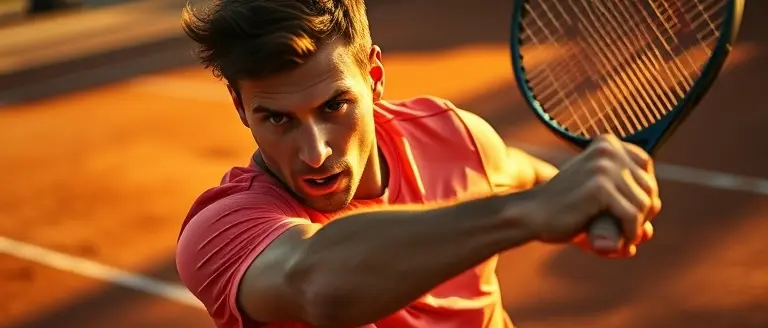
Katie Volynets has demonstrated a marked evolution in her professional gameplay throughout the 2026 season, particularly as she navigates the demanding clay-court swing. Her performance at the Trophée Clarins 2026 highlights a shift toward a more aggressive baseline strategy, moving away from a purely defensive counter-punching style. By incorporating more depth and pace off both wings, Volynets has successfully dictated points against high-caliber opponents, a vital tactical adjustment that was clearly evident in her recent victory over Emma Navarro. This technical refinement suggests that Volynets is prioritizing controlled aggression, allowing her to neutralize power-hitters while maintaining the high consistency levels that have defined her rise in the WTA rankings.
Strategic Adjustments on Clay
The surface at the Trophée Clarins rewards patience and versatility, and Volynets has adapted by utilizing heavy topspin to push opponents behind the baseline. Her ability to transition from defense to offense has become a cornerstone of her current success. Key improvements include:
- Serve Placement: Increased focus on wider angles to open up the court for her forehand follow-up.
- Court Coverage: Enhanced lateral movement, allowing her to reach wide balls and reset points effectively under pressure.
- Mental Toughness: A noticeable composure during pivotal deuce points, indicative of her growing experience at the WTA 125 level.
As she moves into the quarter-finals against Yuliia Starodubtseva, the focus will remain on whether she can maintain this rhythm. Her trajectory suggests a player hitting her stride at the right time, positioning her as a formidable contender for upcoming major tournaments, including the French Open. Analysts note that her technical maturity is not merely a flash of form but a structural improvement in her professional approach, signaling sustained competitiveness on the international circuit.
Statistical Performance Trends on the WTA Tour
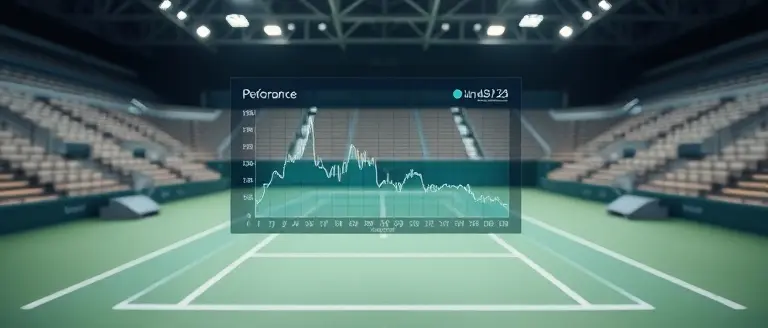
As Katie Volynets continues her upward trajectory on the professional circuit, her statistical output during the 2026 season provides a clear window into her evolving tactical maturity. Her performance at the Trophée Clarins serves as a focal point for analyzing how her metrics hold up under the pressure of high-level clay-court competition. A deep dive into her recent performance data indicates that Volynets has sharpened her consistency, particularly in neutral rallies, which remains the bedrock of her defensive-to-offensive transition game.
Key Performance Indicators for Competitive Analysis
Tracking Volynets’ progress requires looking beyond simple win-loss records and focusing on the underlying efficiency metrics that dictate match outcomes. Her current form highlights three critical areas of improvement:
- First-Serve Percentage: Volynets has shown a consistent uptick in her ability to land high-percentage first serves, which prevents opponents from dictating play on her service games. Maintaining a serve percentage above 65% has been crucial in securing comfortable holds during her deep run in Paris.
- Break-Point Conversion Rates: A standout metric in her recent matches, including her victory over Emma Navarro, is her clinical precision on break points. By capitalizing on marginal opportunities, she effectively shifts the momentum of close sets, showcasing the composure required to compete at the WTA 125 level and beyond.
- Unforced Error Management: By reducing her average unforced errors, Volynets has transformed her style from a purely reactive game to one that forces opponents to overhit. This calculated risk-taking is essential for her transition into the top tier of the WTA rankings.
As she moves into the quarter-finals against Yuliia Starodubtseva, observers should monitor her net-approach efficiency and second-serve return depth. These granular data points demonstrate that Katie Volynets is not merely accumulating wins but is actively refining the technical facets of her play, positioning her as a formidable contender for upcoming major tournaments.
Unlocking Your Own Performance Potential
Katie Volynets’ performance at the Trophée Clarins is a testament to the power of elite-level preparation, where success is decided by the narrowest margins of focus and mental clarity. Just as she dissects the geometry of the clay court and anticipates her opponent’s next move under intense pressure, your ability to process complex data and stay sharp in your professional life depends on the health and efficiency of your cognitive engine.
High-level professional tennis requires extreme cognitive focus, rapid processing of tactical data, and mental resilience during high-pressure match points. This is exactly where The Brain Song bridges the gap between the athlete’s court-side intensity and your everyday analytical edge. By leveraging neuroscience-based auditory stimulation, this tool is designed to optimize focus, sharpen mental clarity, and enhance complex information processing for those who refuse to settle for average performance.
We treat your cognitive potential with the same level of analytical precision as a pro tennis player’s game-day preparation. By integrating these advanced protocols into your daily routine, you aren’t just watching greatness—you are actively optimizing your own mental infrastructure for success. It is the natural next step for anyone obsessed with stats, strategy, and peak human potential.
 Elevate your own mental focus and analytical edge with the same neuroscience-backed protocols used for cognitive optimization; discover how The Brain Song can sharpen your game.