
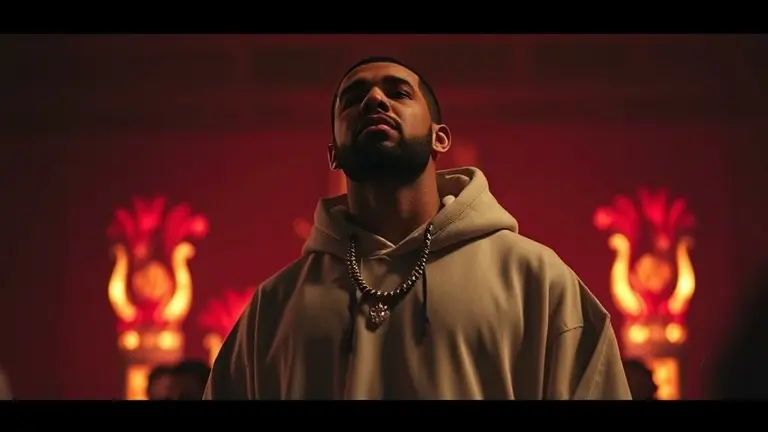
On May 15, 2026, the music world shifted on its axis as Drake executed a masterclass in cultural disruption. With the surprise release of 43 tracks spread across three distinct studio albums—Iceman, Habibti, and Maid of Honour—the 39-year-old icon didn’t just return to the charts; he demanded a total re-evaluation of his narrative. Emerging from the shadows of a grueling 2024, this massive output serves as both a defensive strike against his detractors and a vulnerable excavation of his private life. From the cryptic Arabic etymology of Habibti—meaning ‘my love’—to the raw, heartbreaking disclosure of his father’s battle with cancer in ‘Make Them Cry,’ these albums present a complex duality: the hardened, calculated rap titan and the deeply emotional human seeking connection.
As listeners digest this sprawling 43-song blitz, the conversation has moved beyond mere diss tracks aimed at Kendrick Lamar or LeBron James. We are witnessing an artist grappling with the weight of his own superstardom. By mapping the thematic progression of this trilogy, we uncover a desperate, primal search for validation and the ‘why’ behind his creative metamorphosis. Understanding this requires us to look past the industry posturing and dive into the psyche of a man who constantly broadcasts his search for deep, unwavering devotion to a global audience.
The 43-Song Blitz: Decoding Drake’s Unexpected Triple-Album Drop
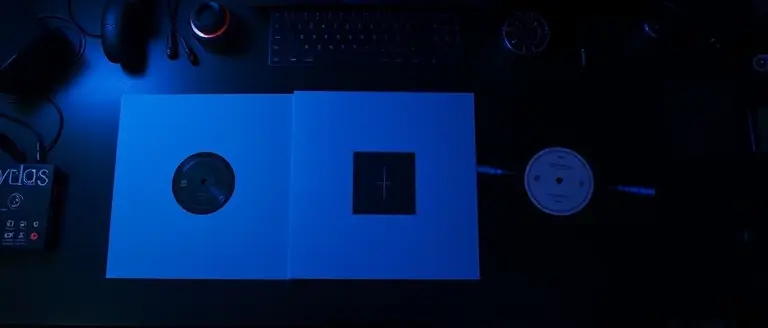
On May 15, 2026, the music industry was upended by the sudden arrival of three drake albums: Iceman, Habibti, and Maid of Honour. Delivering a staggering 43 songs in a single release, this marathon output is widely interpreted as a calculated strategic maneuver. Following his highly publicized 2024 rap feud with Kendrick Lamar, the rapper faced immense pressure to prove his cultural longevity. By flooding streaming platforms with such high volume, the drake new album strategy functions as a “shock and awe” campaign designed to monopolize the charts and force an immediate conversation shift away from past controversies toward his current creative output.
Strategic Objectives and Cultural Impact
The decision to release drake 3 albums simultaneously serves a dual purpose: it establishes a dominant commercial footprint while providing a platform for complex, multi-layered storytelling. Thematically, these projects span from aggressive lyrical confrontations to vulnerable, raw introspection.
- Commercial Dominance: By overwhelming the digital ecosystem with 43 tracks, he effectively stifles competing narratives and ensures his presence on every major playlist.
- Narrative Reclamation: The project serves as a rebuttal to his recent public challenges, utilizing sharp lyricism aimed at figures like LeBron James and Kendrick Lamar to reclaim his reputation as the industry’s central figure.
- The Linguistic Hook: The title Habibti—a beautiful Arabic term of endearment that translates to “my love”—has triggered widespread global interest. Exploring the habibti meaning reveals a more nuanced, perhaps softer, side of the artist that stands in stark contrast to his harder-hitting tracks.
This massive drop represents a critical juncture in the drake age era, proving that he remains a master of manipulating the industry’s attention economy. Whether or not these records ultimately cement his status as the undisputed heavyweight, this bold move has undeniably shifted the trajectory of contemporary hip-hop by prioritizing sheer scale and artistic audacity.
The Evolution of ‘Habibti’: Linguistic Cues and Creative Shifts

Among the three drake albums released on May 15, 2026, the project titled Habibti stands out as the most significant pivot in the artist’s thematic trajectory. The habibti meaning—an Arabic term of endearment translating to “my love” or “my beloved”—signals a deliberate move away from the hyper-aggressive posture often associated with his post-2024 rap feud. By utilizing a term rooted in Middle Eastern linguistic culture, Drake appears to be signaling a broader, more globalized sonic palette. This choice reflects a strategic attempt to shed the constraints of his previous public image and rebrand his romantic and cultural narrative through a lens of vulnerability and international connection.
Linguistic Cues and Global Artistic Expansion
The inclusion of Habibti within the drake 3 albums collection serves as a case study for his evolving artistic identity. While tracks on Iceman and Maid of Honour lean into the friction of industry rivalries, Habibti functions as the emotional bridge, suggesting that Drake at his current drake age is interested in transcending standard hip-hop tropes. This shift carries several implications for his career:
- Sonic Diversification: By adopting regional nomenclature, Drake integrates global music trends into his sound, moving beyond traditional American pop-rap.
- Narrative Softening: The use of the word “Habibti” serves as an antithesis to the “diss track” culture, suggesting a desire to reclaim his reputation as an artist capable of deep, romantic, and emotional expression.
- Cultural Crossover: The decision to lean into Arabic linguistics represents a calculated effort to broaden his appeal to the massive, diverse global market that has driven his recent streaming success.
Ultimately, Habibti represents more than just a song title; it is the cornerstone of a “new chapter” in his discography. By balancing the intensity of his drake new album drop with this softer, more linguistic-focused approach, he effectively challenges listeners to re-evaluate his artistic depth. It confirms that despite the controversy surrounding his recent creative output, he remains a master at using language to manipulate his public perception and reset his career trajectory.
Lyrical Warfare: Analyzing the Diss Culture Within the New Saga

The release of drake new album content—a massive 43-song blitz across Iceman, Habibti, and Maid of Honour—functions as a deliberate aggressive pivot in his career. By embedding direct and cryptic lyrical jabs at figures like LeBron James and Kendrick Lamar, Drake is attempting to reclaim his cultural dominance after a turbulent 2024. For a performer at his drake age, these disses represent a calculated risk. While the industry is experiencing a level of fatigue regarding ongoing rap beefs, Drake uses this lyrical warfare to dictate the public conversation, forcing listeners to sift through hours of music to decode his grievances. Whether these lines are seen as strategic genius or petty distraction, they undeniably serve as the gravitational pull for the massive streaming numbers seen in the initial 24 hours of release.
Decoding the Strategic Aggression
The tactical inclusion of diss tracks across the three records serves several critical purposes in his attempt to “reclaim the throne”:
- Dominance Positioning: By addressing high-profile rivals directly, he keeps his name at the center of the zeitgeist, effectively overshadowing the narrative established during the 2024 feud.
- Narrative Control: Rather than responding to external critiques, these albums force the media to analyze his perspective, turning the “diss” into a promotional engine.
- The Contrast Effect: The aggressive tone serves to highlight the emotional vulnerability found in tracks like “Make Them Cry,” where the rapper pivots from ego to personal trauma, specifically regarding his father’s health.
Ultimately, these jabs act as a shield and a sword. While some fans may find the lyrical hostility repetitive, it creates an immersive, “event-based” listening experience. By wrapping these confrontations in a dense, 43-track package, Drake ensures that even those who grow weary of the conflict are drawn back into the fold to explore the deeper, more vulnerable layers hidden within this drake 3 albums collection. The aggression adds a frantic energy that distinguishes this project from his previous, more polished studio outputs.
From Bravado to Vulnerability: The Emotional Core of ‘Make Them Cry’

While the immediate cultural conversation following the release of his three albums has been dominated by lyrical barbs directed at high-profile figures, the true centerpiece of this project lies in its profound emotional pivot. Amidst the sharp, defensive posturing found in tracks targeting Kendrick Lamar and other industry titans, “Make Them Cry” stands as a sobering meditation on mortality. By shifting from the aggressive bravado expected of a global superstar to the raw, unfiltered reality of his father’s cancer diagnosis, Drake successfully complicates the “shock and awe” marketing strategy that defines this 43-song marathon.
Balancing Commercial Dominance and Personal Turmoil
The juxtaposition between the cold, calculated strategy of the drake new album drop and the vulnerability of “Make Them Cry” illustrates the dual identity he has navigated throughout his career. This track serves as an essential anchor, grounding the expansive, often chaotic scale of Iceman, Habibti, and Maid of Honour in genuine human struggle. By weaving such intimate details into a massive commercial release, the artist forces listeners to look past the spectacle of the “diss track” and engage with the person behind the persona. Key elements of this thematic shift include:
- Humanizing the Icon: By grounding the project in a personal family crisis, he moves the narrative away from celebrity feuds toward universal experiences of grief and anticipation.
- Contrasting Sonic Landscapes: The stark difference between the aggressive, high-energy production of the lead singles and the stripped-back, melancholic composition of this track highlights his versatility as a performer.
- Strategic Reframing: The vulnerability serves as a buffer against critics who categorize his recent output as purely reactive, showing that at his current drake age, he is increasingly interested in legacy beyond competitive rap.
Ultimately, “Make Them Cry” provides the necessary emotional weight to balance the tactical, market-disrupting nature of this release. It reminds the audience that even amidst a project designed to reclaim cultural dominance, the most significant conflicts often occur behind closed doors.
Decoding the Psychology Behind the Music
Drake’s latest triple-album release is more than just a musical feat; it is a psychological map of his innermost desires and anxieties. Whether he is flexing his status or revealing the vulnerability of his family life, the common thread running through Iceman, Habibti, and Maid of Honour is an intense, sometimes volatile pursuit of emotional validation. He is, in essence, broadcasting the complexities of the male psyche—a search for a partner who understands the weight of his world and can provide the grounding he so clearly craves.
While his lyrics about longing and commitment captivate us, they actually tap into a universal, primal need for deep emotional connection. This is where the ‘Hero Instinct’ becomes a crucial framework for interpreting his creative direction. By understanding these deep-seated relationship dynamics, you can stop just listening to the story and start mastering the psychology of devotion in your own life.
Our recommended guide, His Secret Obsession, acts as the bridge between Drake’s public artistic themes and the reality of your personal relationships. It provides the psychological tools necessary to trigger true, lasting commitment and decode the ‘secret signals’ that drive intense, passionate bonds. Don’t just analyze the music—apply the principles of deep emotional devotion to your own narrative today.
 Explore the psychological ‘Secret Signals’ behind the world’s most intense relationships and learn how to trigger true, lasting devotion in your own partner.Transform My Life Today