

The skyline of New York City witnessed a spectacle on May 14, 2026, that felt less like a television stunt and more like a final, defiant act of rebellion. David Letterman, the titan who defined the spirit of late-night television for decades, returned to the roof of the Ed Sullivan Building to join Stephen Colbert in dismantling CBS property. As the show approaches its final curtain call on May 21, this “rooftop revenge”—a cascade of furniture, watermelons, and cakes plummeting toward the pavement—served as a visceral, expletive-laden critique of a network culture that seems intent on erasing the very landmarks it once cherished.
Beyond the viral nature of the protest, this moment marks a profound shift in the late-night landscape. For audiences who have found a home in the Ed Sullivan Building for generations, the destruction of these set pieces symbolizes the cold, calculated obsolescence of the traditional talk show format in the age of streaming. As we count down the final days of this television era, we are left to grapple with the emotional weight of a changing medium, where the physical craftsmanship of a stage is traded for the fleeting convenience of digital content, and the legacy of broadcast pioneers is abruptly tossed aside.
The Rooftop Reckoning: Letterman’s Defiant Return to the Ed Sullivan Theater
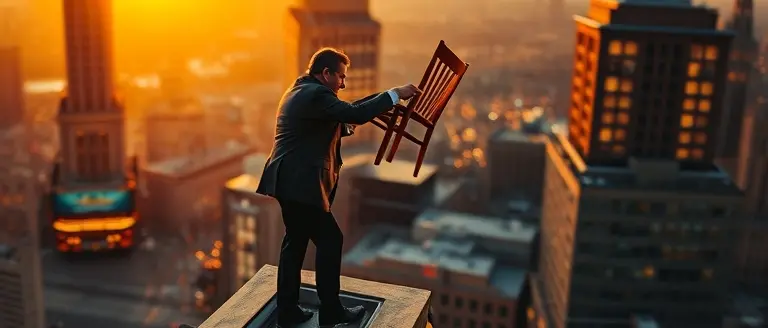
On May 14, 2026, the legendary David Letterman made a shocking, high-profile return to the Ed Sullivan Theater, turning the final week of the Late Show with Stephen Colbert into an act of visceral protest. As the long-running franchise faces its scheduled cancellation on May 21, 2026, Letterman did not opt for a somber farewell. Instead, he joined forces with Stephen Colbert for a “rooftop revenge” stunt that saw the two comedy titans hurling CBS furniture, office equipment, and watermelons off the historic building’s roof. This chaotic, expletive-laden display served as a physical manifestation of widespread industry frustration, acting as a symbolic “middle finger” toward the network executives responsible for pulling the plug on a staple of American culture.
The intensity of this performance underscores a deep-seated solidarity between the original host and his successor. By physically destroying the very props that define the late-night experience, Letterman and Colbert shifted the narrative from a quiet retirement to a loud, defiant critique of modern media management. This moment was not merely for entertainment; it was a commentary on the decline of traditional late-night television in a landscape increasingly dominated by algorithm-driven streaming content.
Why the Rooftop Stunt Matters
The emotional weight of this encounter is significant for fans who have followed the show’s 11-year run. Several factors explain why this segment resonated so deeply with the audience:
- Symbolism of Erasure: The destruction of set pieces serves as a metaphor for the dismantling of the late-night institution by corporate stakeholders who prioritize short-term gains over long-term cultural legacy.
- The Ed Sullivan Landmark: By using the roof of the iconic theater as their stage, the hosts highlighted the historical significance of the venue, reminding viewers that they were witnessing the end of an era in television history.
- Collective Catharsis: As the May 21 finale approaches, this “fiery” display allowed viewers to channel their own disappointment into a shared, rebellious moment of television history.
As the industry watches the final days of the Late Show with Stephen Colbert unfold, the “rooftop reckoning” will likely be remembered as the definitive statement on the transition from the golden age of broadcast comedy to an uncertain, post-network future. Dave Letterman proved once again that even when the network is finished with him, he retains the power to dictate the final word.
Passing the Torch or Burning the House Down?

The appearance of David Letterman on The Late Show with Stephen Colbert in its final week serves as a jarring departure from the traditional, respectful “hand-off” tropes of television history. When Letterman originally stepped aside in 2015, the narrative was one of mentorship and transition. However, the events of May 14, 2026, suggest that this bond has evolved into a shared, nihilistic defiance against the network that housed them both. By hurling CBS property off the roof of the Ed Sullivan Building, the two titans of late-night comedy transformed a symbolic passing of the torch into a scorched-earth farewell, signaling that the institution of the traditional broadcast talk show is not merely ending, but being actively dismantled by those who defined it.
This “rooftop revenge” stunt carries profound emotional weight for the legacy of Dave Letterman and the future of the genre. It suggests that the corporate pressures and ultimate cancellation of the program have soured the relationship between the talent and the network. Observers note that this act of rebellion serves several symbolic functions:
- A Critique of Management: The destruction of set pieces acts as a literal manifestation of frustration toward the modern media landscape, which has largely abandoned the serialized late-night format in favor of fragmented streaming content.
- The Deconstruction of a Landmark: By targeting the physical space of the Ed Sullivan Building, they are mourning the end of an era where the studio functioned as a communal cultural hub.
- Solidarity in Exile: Letterman’s return highlights a rare, unflinching alignment between a legacy host and his successor, united by a mutual disdain for the decision to shutter the franchise on May 21, 2026.
As the industry pivots away from the late-night talk show model, this moment functions as the final, expletive-laden chapter of an eleven-year run. The spectacle suggests that if the network is determined to turn off the lights, the hosts are going to break the windows on their way out. Whether this serves as a cathartic release for fans or a final, biting indictment of corporate interference, it undeniably marks the end of a specific, influential chapter in American television.
The Destruction of Late-Night as a Cultural Critique
The recent rooftop stunt performed by David Letterman and Stephen Colbert serves as far more than mere comedic catharsis. When the pair began hurling CBS property—including furniture, watermelons, and cake—off the top of the Ed Sullivan Building, they effectively staged a public dismantling of the very medium that defined their careers. This act of “rooftop revenge” operates as a visceral metaphor for the terminal decline of traditional linear television. By destroying physical set pieces, these icons of the late show with david letterman and the current era of late-night comedy are signaling that the rigid, network-governed structures of the past are being discarded by the modern corporate apparatus.
This performance stands as a scathing indictment of modern media management, where value is increasingly dictated by ephemeral digital metrics and bottom-line cost-cutting rather than the cultural weight of long-running franchises. The cancellation of Colbert’s show, set for May 21, 2026, represents the final chapter of a television era that prioritized deep, appointment-viewing connections. The symbolic destruction highlights several critical shifts in the entertainment landscape:
- Erosion of Institutional Value: Network executives are increasingly trading historical prestige and host-led legacy for algorithmic, short-form content models that lack the gravitas of a traditional late-night institution.
- Protest Against Corporate Stewardship: By targeting network property, dave letterman and Colbert transformed the roof of an iconic broadcasting landmark into a site of resistance against a management strategy that treats storied franchises as disposable liabilities.
- The Death of the “Ed Sullivan” Landmark: The physical setting of these stunts underscores the abandonment of the “studio as sanctuary,” suggesting that the golden age of the late-night monologue has lost its footing in a streaming-dominated reality.
Ultimately, this act of rebellion signifies that the era of the late-night giant is being forced into extinction. As the countdown to the final broadcast approaches, the destruction of these props reflects a broader frustration with an industry that appears willing to sacrifice its creative history for the sake of efficiency, leaving audiences to mourn the end of a pivotal, shared cultural experience.
Post-Colbert: Navigating the Void in Late-Night TV
The looming May 21, 2026, finale of the Late Show with Stephen Colbert signifies more than just the end of a long-running broadcast; it marks the potential extinction of the traditional late-night talk show institution. The recent “rooftop revenge” stunt performed by David Letterman and Colbert served as a visceral, final protest against the corporate dismantling of this era. By literally throwing CBS property off the Ed Sullivan Building, these two legends underscored the friction between the legacy of the “desk-and-sofa” format and a modern media landscape that increasingly views appointment television as an outdated relic of the pre-streaming age.
The Shift Toward Fragmented Media
The industry is currently pivoting away from the linear, hour-long monologue format that once defined American culture. Evidence suggests that audience engagement has migrated toward fragmented, short-form digital consumption, where personality-driven clips hold more currency than full-length network broadcasts. As Dave Letterman and Colbert depart, the industry faces several critical challenges:
- Erosion of Appointment Viewing: The cultural “water cooler” moment is now distributed across social platforms rather than occurring at 11:35 PM.
- Economic Pressures: Maintaining large, permanent studio sets and high-production house bands is becoming difficult to justify for networks prioritize lean digital models.
- The Death of the Ed Sullivan Landmark: The physical space itself, which housed decades of iconic television, is being repurposed, signaling the end of the “theatrical” era of talk shows.
The departure of these titans signals a definitive end to the unified late-night experience. While the Late Show with David Letterman once set the standard for satirical genius, the current market trends suggest that the future of late-night will likely be decentralized, focusing on influencer-led content and highly targeted niche shows rather than the broad, nightly appeal that defined the 20th and early 21st centuries.
Building Your Own Legacy in a Disposable World
The rooftop rebellion of David Letterman and Stephen Colbert was more than just a late-night prank; it was a visceral reaction to the impermanence of modern media. As we approach the final broadcast of The Late Show on May 21, 2026, the destruction of those iconic set pieces reminds us that while television eras inevitably come to an end, the appreciation for tangible craftsmanship remains a cornerstone of our cultural identity. We are witnessing a shift away from the grand, permanent landmarks of broadcast history toward a fragmented, digital-first future, leaving many to wonder where the value in physical construction has gone.
Watching those meticulously crafted sets being tossed from the Ed Sullivan Building highlights a poignant irony: we live in an era where we consume content and physical goods as if they were entirely disposable. Yet, there is a deep, inherent human need to build, create, and possess items that stand the test of time. Just as the architecture of the Ed Sullivan theater defined decades of comedy, your own home can be defined by the quality and care you put into it. You don’t have to be a professional contractor to reclaim that sense of permanence in your own life.
By mastering the art of woodworking, you transition from a passive consumer to an active creator. Ted’s Woodworking offers you the blueprints to build professional-grade furniture that mirrors the complexity and beauty of those legendary studio sets, but with the added benefit of items that actually last a lifetime. In a world of fleeting media, choosing to build something durable is an act of rebellion in its own right. It is time to step away from the screen and start constructing a legacy that you can touch, feel, and enjoy for years to come.
 Just as those sets defined an era of television, you can define your own space; click here to explore the plans for timeless, professional-grade woodworking projects.Yes, I Want to Build My Legacy Today!