
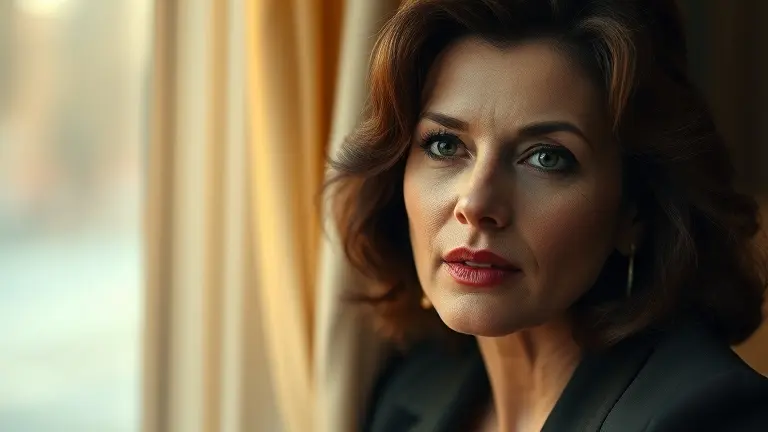
The passing of Claudine Longet at 84 brings a complex chapter of mid-century celebrity culture to a definitive close. Known for her transition from a French songstress and actress to the center of one of the 1970s most explosive legal dramas, her life was perpetually viewed through the prism of tabloid speculation. While the media narrative has long fixated on the tragic 1976 shooting of Vladimir ‘Spider’ Sabich, this reductive focus often obscured the human reality of a woman navigating the immense pressures of fame, motherhood, and a high-profile marriage to American crooner Andy Williams.
As we reflect on her legacy, it is time to move past the sensationalism and examine the deeper dynamics of a life lived under an unforgiving spotlight. By disentangling the professional triumphs from the public controversies, we find a story that speaks to the fragility of public image and the profound, often invisible, emotional currents that shape our most significant personal relationships.
The Life and Passing of Claudine Longet

The passing of Claudine Longet on May 14, 2026, at the age of 84, marks the conclusion of a life that remains one of the most enigmatic chapters in Hollywood history. A celebrated French singer and actress who captivated American audiences throughout the 1960s, Longet’s cultural footprint was initially defined by her ethereal stage presence and her high-profile marriage to the legendary crooner Andy Williams. As the industry reflects on her career, it is impossible to separate her professional successes from the profound, often sensationalized, public scrutiny that followed her for over half a century.
Longet arrived in the United States as a dancer at the Folies Bergère in Las Vegas, quickly transitioning into a multi-hyphenate talent who graced television screens on variety shows and popular sitcoms. However, the trajectory of her public image shifted dramatically following the 1976 fatal shooting of her boyfriend, Olympic skier Vladimir ‘Spider’ Sabich, at their Aspen residence. The subsequent manslaughter trial became a defining media event of the 1970s, forever altering her legacy and casting a long shadow over her later years.
To understand the breadth of her life, one must navigate the duality of her experiences:
- Professional Ascent: Her early career was marked by successful appearances on The Andy Williams Show and roles in films like The Party alongside Peter Sellers.
- The Aspen Trial: The 1976 legal proceedings surrounding the death of ‘Spider’ Sabich turned the skier’s mountain retreat into a theater of tabloid obsession, bringing immense legal and social pressure to her private life.
- Legacy Management: In the decades following the trial, Longet largely retreated from the public eye, seeking to maintain a level of privacy that contrasted sharply with the volatility of her mid-1970s headlines.
The sudden renewal of interest surrounding her death underscores the enduring American fascination with 1960s celebrity culture and the complicated intersection of fame and tragedy. While her obituary highlights the tragic nature of the Aspen incident, it also serves as a reminder of the talented performer she was before the cameras turned toward the courtroom.
Musical Stardom and Marriage to Andy Williams
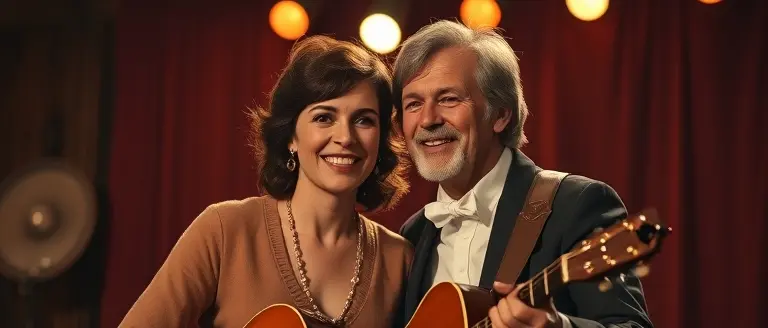
Before the legal controversies of the late 1970s defined her later public persona, Claudine Longet was a quintessential fixture of 1960s American entertainment. Arriving in the United States from France, she quickly captured the public’s imagination with her distinctively soft, breathy vocal style and undeniable screen presence. Her professional ascent was intrinsically linked to her marriage to Andy Williams, the iconic crooner whose variety shows became a staple of American television. Throughout the mid-1960s, Longet frequently appeared on The Andy Williams Show, a platform that transformed the couple into the face of a modern, idyllic family unit.
A High-Profile Partnership
The marriage between Claudine Longet and Andy Williams, which lasted from 1961 to 1975, was more than just a domestic union; it was a powerful professional collaboration. Longet’s discography, highlighted by hits like “Meditation” and “Hello, Hello,” benefited immensely from the exposure provided by her husband’s massive audience. To the public, they were the embodiment of celebrity harmony, raising three children together while maintaining separate but intersecting careers.
- Television Impact: Longet’s recurring guest spots provided her with a level of fame that few foreign-born artists achieved during that era.
- Cultural Image: The couple was widely marketed as the “perfect” Hollywood family, a narrative that made their eventual separation and divorce in 1975 particularly jarring for their loyal fan base.
- Post-Divorce Trajectory: Following the dissolution of their marriage, the media narrative shifted dramatically. The public’s perception of Longet transitioned from the charming, exotic songstress to a figure of intense tabloid scrutiny, particularly after her subsequent personal life led to the high-profile manslaughter trial involving Vladimir “Spider” Sabich. This shift in sentiment remains a core element of her legacy, often overshadowing her initial contributions to the US music and variety television landscape.
The 1976 Trial: A Timeline of Events

The legal proceedings following the death of Olympic skier Vladimir ‘Spider’ Sabich became one of the most sensationalized media events of the 1970s. On March 21, 1976, Sabich was fatally shot at his residence in Aspen, Colorado. Claudine Longet, who was living with the athlete at the time, was arrested and charged with reckless manslaughter. The case drew national attention, largely due to the celebrity status of the parties involved and the stark contrast between the glamorous life of the French-born singer and the grim reality of the courtroom.
The trial, which commenced in early 1977, focused on a critical dispute regarding the mechanics of the shooting. Longet maintained that the incident was an accident, claiming she was unfamiliar with the operation of the firearm when it discharged. The prosecution, however, sought to prove that the circumstances warranted a more severe conviction. Despite the intensity of the trial, the legal outcome was determined by a series of procedural hurdles:
- Search and Seizure Issues: A pivotal moment occurred when the presiding judge ruled that the unauthorized diary of Claudine Longet and certain blood samples could not be admitted as evidence, citing violations of her Fourth Amendment rights.
- The Defense Strategy: Her legal team argued that the shooting occurred while she was attempting to learn how to use the gun, characterizing it as a tragic misfortune rather than a criminal act.
- Verdict and Sentencing: In January 1977, the jury found her guilty of criminal negligence, the lesser charge in the case. She was sentenced to 30 days in jail, which she was permitted to serve intermittently on weekends, alongside a period of two years of probation.
The trial served as a watershed moment in celebrity legal coverage, forever altering the public perception of the former actress. While the events remain a subject of historical debate, the legal record highlights a case shaped by evidentiary restrictions and a defense that successfully navigated the complexities of Colorado law, ensuring the legacy of the Andy Williams-era star remained inextricably linked to the Aspen tragedy.
Legacy, Privacy, and the Impact of Public Scrutiny

The 1976 trial of Claudine Longet for the manslaughter of Olympic skier Vladimir ‘Spider’ Sabich remains one of the most polarizing moments in 20th-century American celebrity culture. Following the legal proceedings, which resulted in a conviction of negligent homicide, Longet effectively withdrew from the spotlight, choosing to live a life of relative seclusion in Aspen. This retreat from the public eye was not merely a reaction to the legal verdict but a response to the aggressive nature of 1970s tabloid journalism. Her story transformed into a cautionary tale regarding the collision of private tragedy and public consumption, forever altering how the American media covered the personal lives of high-profile entertainers.
The Shift in Public Perception
Longet’s legacy is defined by a complex intersection of her professional achievements and the shadow of the legal case. While she was once a staple of television variety shows and a celebrated singer, the trial became the singular lens through which she was viewed for decades. The scrutiny she faced highlighted several critical shifts in media behavior:
- Sensationalism vs. Privacy: The coverage of her case set a precedent for the intrusive, round-the-clock tabloid style that would eventually dominate the 1990s and 2000s.
- The “Andy Williams” Factor: Much of the public interest remained tethered to her former husband, Andy Williams, whose staunch public support during the trial created a strange, bifurcated narrative between her past as a beloved star and her present as a defendant.
- Long-Term Retreat: Her choice to maintain a low profile demonstrated an early, deliberate effort to reclaim agency in an era before “privacy culture” became a standard tool for celebrities.
Ultimately, the life of Claudine Longet stands as a landmark study in how modern audiences reconcile the humanity of an icon with the weight of catastrophic events. By stepping away from the limelight, she forced a narrative closure that prevented further media exploitation, cementing her legacy as someone who, despite the notoriety, successfully preserved her right to a life beyond the headlines.
Understanding the Bonds That Define Us
Claudine Longet’s life, particularly her tumultuous union with Andy Williams, serves as a poignant reminder that even the most glamorous relationships are subject to the same human insecurities and emotional challenges as anyone else’s. While the world watched the spectacle of their public dissolution, the private reality remained governed by the unseen psychological forces that dictate how we connect with, and eventually lose, those closest to us.
The story of their marriage invites us to look beyond the headlines and consider what truly builds a lasting bond in the high-pressure world of fame. Often, the difference between a partnership that endures and one that fractures lies in understanding the primal drivers of emotional devotion. Just as we analyze the complexities of a legendary couple, we can apply those same insights to our own romantic journeys, finding clarity in the psychological frameworks that foster deep, meaningful commitment.
If you have ever wondered what subconscious signals inspire true, lasting devotion, you don’t have to rely on guesswork or tabloid tropes. By tapping into the ‘Hero Instinct,’ you can gain a deeper understanding of the romantic drives that truly matter, helping you build a more secure and fulfilling relationship. This approach provides the psychological tools necessary to move past surface-level interactions and create a bond that stands the test of time.
 Learn more about the hidden psychological signals that inspire true devotion and build deeper, more meaningful connections.Unlock Deeper Devotion Now