
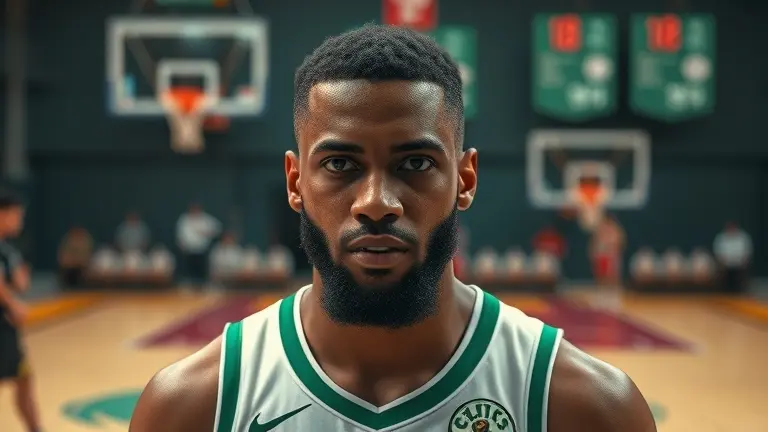
In the high-stakes world of the NBA offseason, the digital airwaves are currently thick with celtics warriors trade rumors. To the casual observer, these reports suggest a blockbuster deal between two of the league’s most storied franchises is imminent. However, beneath the surface of viral social media posts and aggressive trade machine screenshots, the reality is far more nuanced. These teams aren’t circling each other in backroom negotiations; rather, they are both strategically positioned as top-tier suitors for the same tier of superstar assets, most notably Milwaukee’s Giannis Antetokounmpo.
As we navigate the 2026 landscape, the pairing of Boston and Golden State in these narratives is a product of their elite asset depth and cap flexibility, not direct transaction links. Understanding this distinction is vital for any serious analyst. To look past the clickbait and grasp the real-time shifts in team-building philosophy, one must possess the ability to filter out the noise and focus on the cold, hard mechanics of front-office maneuvering.
Understanding the 2026 NBA Trade Rumor Mill: Why Celtics and Warriors Are Trending

In the landscape of the 2026 NBA offseason, celtics warriors trade rumors have surged across digital platforms, often creating a misconception that the two franchises are actively negotiating a blockbuster deal with one another. However, basketball operations data and league-wide reporting confirm that no such direct trade talks exist between Boston and Golden State. Instead, the current noise is a byproduct of algorithmic association. Both organizations are consistently identified as “serious suitors” in the pursuit of high-profile superstars, most notably Giannis Antetokounmpo, whose availability has triggered a league-wide scramble.
The Dynamics of Superstar Hunting
The grouping of these two teams in social media “what-if” scenarios stems from their shared position as aggressive, high-resource contenders. Because both the Celtics and Warriors possess the necessary cap flexibility and asset depth to pull off massive, landscape-shifting trades, analysts and fans have naturally placed them in the same bucket. When industry reports confirm that both teams are exploring ways to acquire a top-tier asset, digital platforms aggregate these individual interests, leading to the misleading conclusion that they are trading with each other.
To distinguish between legitimate front-office strategy and fan-made narratives, consider these factors:
- Shared Intent, Not Shared Assets: Both franchises are currently in an “all-in” window, looking to capitalize on existing championship cores by adding one final, marquee piece.
- The Giannis Factor: Milwaukee’s openness to exploring trade talks has forced top-tier teams to position themselves aggressively, placing the Celtics and Warriors in the same headlines as primary competitors for the same target.
- Asset Liquidity: Both teams have become the subjects of “trade machine” speculation simply because they are the few remaining teams with the draft equity and contract structures required to facilitate a trade for a player of Antetokounmpo’s caliber.
Ultimately, while the celtics warriors trade rumors dominate social media feeds, they serve as a case study in how modern sports media consumes and simplifies complex roster-building strategies. There is currently no evidence of a direct pipeline between Boston and Golden State; rather, they are simply the two most visible entities navigating the same intense NBA superstar trade market of 2026.
The 2026 Superstar Sweepstakes: The Giannis Antetokounmpo Factor

The 2026 NBA trade landscape is currently defined by a singular, league-shifting variable: the potential availability of Giannis Antetokounmpo. As the Milwaukee Bucks evaluate their championship window, front offices across the association—most notably the Boston Celtics and the Golden State Warriors—have positioned themselves as primary suitors. While social media platforms often conflate these franchises into baseless celtics warriors trade rumors, the reality is far more calculated. Both organizations are executing sophisticated asset-management strategies to ensure they have the draft capital and salary-cap flexibility required to pivot toward an MVP-caliber acquisition should the Bucks decide to initiate a rebuild.
Strategic Value and Risk Assessment
Acquiring a player of Antetokounmpo’s stature requires a high-stakes calculation of risk versus reward. Front offices must weigh the immediate championship equity provided by a perennial MVP candidate against the depletion of long-term roster depth. The current buzz surrounding these teams is not a result of direct bilateral negotiations, but rather a reflection of their aggressive pursuit of the same marquee target.
Key factors driving this speculative fever include:
- Asset Hoarding: Both the Celtics and Warriors have prioritized maintaining high-value trade chips and flexible contracts to capitalize on the 2026 market.
- Cap Efficiency: Elite teams are currently auditing their payrolls to accommodate the massive salary implications of a superstar trade.
- Strategic Positioning: By maintaining roster versatility, these organizations ensure they remain at the “front of the line” if a disgruntled superstar demands a move.
The 2026 superstar trade market remains fluid, and while casual fans may focus on hypothetical team-to-team swaps, the real story lies in how powerhouses are preparing their portfolios to bid on top-tier talent. Whether Antetokounmpo ultimately hits the market remains to be seen, but the preparation of the Celtics and Warriors serves as a case study in modern front-office agility.
Celtics vs. Warriors: Comparing Roster Philosophies for High-Stakes Moves
The rampant celtics warriors trade rumors circulating online often ignore the distinct structural realities of these two franchises. While both teams are frequently linked to marquee talents like Giannis Antetokounmpo in 2026, their pathways to acquiring such stars are fundamentally different. The Boston Celtics currently prioritize a “championship-ready” core, leveraging deep asset pools and salary cap flexibility to pursue talent that fits into their established, high-efficiency system. Boston’s front office has historically leaned toward aggressive, calculated consolidation, ensuring that any acquisition reinforces their existing identity rather than forcing a total rebuild of their tactical approach.
Conversely, the Golden State Warriors utilize a veteran-heavy, legacy-driven strategy. Their pursuit of superstars is often balanced against the need to maximize the final windows of their long-standing dynasty players. While social media “trade machine” narratives suggest a direct swap between the two teams, the reality is that both organizations are competing for the same elite assets on the open market, not with each other.
Strategic Positioning for Superstar Acquisitions
When evaluating which franchise is better positioned to integrate a superstar, we must look at their underlying roster philosophy:
- Boston’s Asset Depth: The Celtics maintain a high volume of tradable future draft assets and mid-tier contracts, making them arguably the most flexible suitor for a superstar in the current NBA trade market.
- Golden State’s Tactical Precision: The Warriors focus on “fit-first” acquisitions. Their ability to integrate a high-usage star relies on the unique playmaking infrastructure of their veteran core, which often limits the type of player they can realistically target compared to Boston.
- Market Reality: The association of these teams in trade rumors is a byproduct of their shared status as perennial contenders rather than evidence of a pending inter-team trade. Both teams represent high-stakes landing spots that provide the necessary infrastructure to compete for titles immediately upon a blockbuster acquisition.
Ultimately, while fan-made speculation remains high, the front-office objective for both teams is identical: leveraging current flexibility to capitalize on the potential availability of elite talent. Whether it is the Celtics’ focus on long-term versatility or the Warriors’ commitment to tactical cohesion, both remain top-tier destinations in the 2026 offseason landscape.
Separating Fact from Fiction: How to Evaluate Real NBA Trade News

In the modern NBA landscape, the line between verified reporting and creative fan-made speculation has become increasingly blurred. Algorithms frequently pair high-profile franchises like the Boston Celtics and the Golden State Warriors in celtics warriors trade rumors simply because both teams possess the asset depth and cap flexibility to chase marquee superstars like Giannis Antetokounmpo. However, readers must distinguish between systemic “what-if” scenarios generated by social media “trade machines” and grounded reporting from league insiders. Genuine trade news is typically characterized by corroborating evidence from established journalists with verified front-office sources, rather than anonymous accounts looking to drive engagement through hypothetical roster pairings that lack logistical viability.
To sharpen your media literacy when navigating the NBA superstar trade market 2026, consider these essential guidelines:
- Verify the Source: Prioritize reporting from beat writers and national insiders who have a track record of accuracy. If a report originates from a social media aggregation account without a primary source link, treat it as entertainment rather than news.
- Analyze the Cap Reality: Elite organizations prioritize long-term stability and internal cap management. If a rumor suggests a move that would fundamentally break a team’s financial structure, it is likely speculation rather than a genuine front-office pursuit.
- Evaluate Intent: Understand that teams like the Celtics and Warriors are often mentioned in the same breath because they are both “serious suitors” for league-wide targets. Their simultaneous interest in a player does not imply they are trading with one another; it simply highlights their shared status as aggressive contenders.
Ultimately, franchises of this caliber operate with calculated precision. While the digital ecosystem thrives on the volatility of trade rumors, the reality is that major roster shifts are the result of months of quiet negotiation. By focusing on verified reporting and understanding the strategic positioning of front offices, fans can move past the superficial noise and gain a clearer understanding of how the league’s powerhouses actually conduct business.
Mastering the Analytical Edge in a Sea of Noise
Distinguishing between legitimate front-office intelligence and speculative fan-made content is the defining skill of the modern NBA observer. As we have explored, the current rumors pairing the Celtics and the Warriors are merely symptoms of a broader, league-wide pursuit of superstar talent, rather than a specific deal between the two clubs. When you strip away the hype, what remains is a fascinating study of how championship-caliber organizations leverage their assets to maintain dominance in an ever-shifting competitive landscape.
Just as these elite front offices must maintain absolute cognitive clarity to weigh the immense risks and rewards of a superstar trade, your ability to parse through contradictory sports information requires a sharp, disciplined mind. The sheer volume of digital misinformation can create a significant ‘mental fog’ that hinders your analytical potential. This is where The Brain Song becomes an essential tool for your routine.
The Brain Song is a sophisticated, non-invasive cognitive tool designed specifically for those who demand precision in their information processing. By integrating this 12-minute routine into your day, you gain the focus necessary to cut through the clutter of low-quality trade speculation and see the reality behind the data. It is the natural next step for any serious sports analyst who values fact-based insight over the noise of the digital rumor mill.
 Sharpen your analytical edge and clear the noise; discover how the 12-minute Brain Song routine helps you process information with total clarity.Transform My Analytical Clarity Today!