
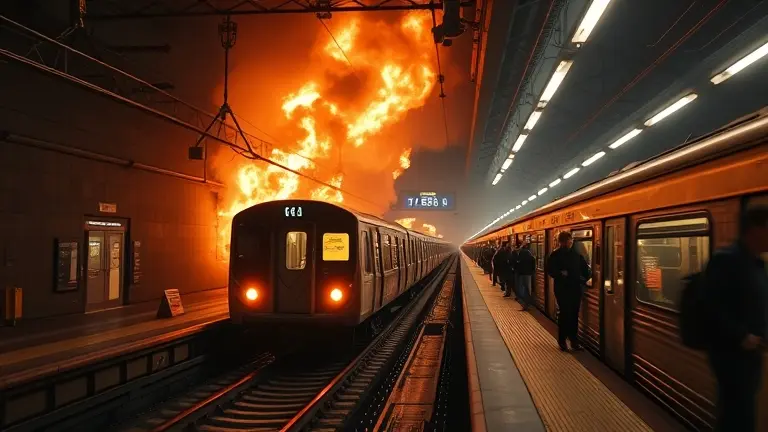
The morning of May 14, 2026, began with chaos for thousands of New Yorkers as an electrical fire broke out in the East River Tunnel’s ‘C interlocking,’ sending shockwaves through the entire Penn Station transit hub. As the FDNY worked to contain the blaze, the reality for LIRR and Amtrak commuters was a sudden halt to service, leaving platforms overcrowded and schedules in complete disarray. With trains terminating at Jamaica or being diverted to Grand Central Terminal, the infrastructure fragility of these aging tunnels has once again taken center stage, forcing riders to scramble for alternative routes in the middle of a high-pressure Thursday commute.
Navigating a transit disruption of this magnitude is more than just a logistical hurdle; it is a mental endurance test. As you face the frustration of unpredictable delays and the maze of sudden rerouting, maintaining your composure is essential to getting through the day. This guide provides the critical path to navigating the current outage and offers a strategy to reclaim your focus, ensuring that even when the tracks fail, your mental clarity remains intact.
Current Status: East River Tunnel Electrical Fire Impacting Penn Station
On the morning of May 14, 2026, a significant electrical fire broke out within the C interlocking of the East River Tunnel, creating immediate and widespread disruptions for commuters traveling into Penn Station. The FDNY responded rapidly to the scene following reports of smoke filling train cars, confirming that the source of the emergency was a compromised cable feeder rather than a train collision. While emergency crews worked to contain the fire, the incident effectively paralyzed rail traffic through one of New York City’s most critical transit arteries, leaving thousands of travelers stranded during the height of the Thursday morning commute.
Impact on LIRR and Transit Operations
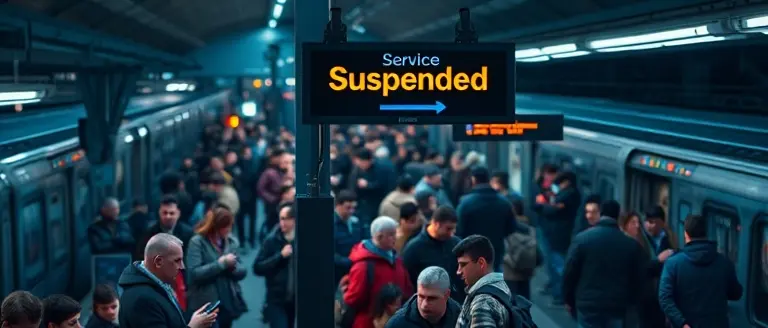
The primary casualty of the infrastructure failure has been LIRR service, which faced immediate suspension between Jamaica and Penn Station. Because the East River Tunnel serves as a vital link for the Long Island Rail Road and Amtrak, the closure necessitated drastic operational changes. Current status reports indicate the following disruptions:
- Service Suspension: All LIRR trains traveling westbound from Jamaica to Penn Station are currently halted.
- Train Redirection: To alleviate the congestion, transit officials are actively diverting a large volume of trains to Grand Central Terminal.
- Ongoing Delays: Commuters should expect severe system-wide delays, cancellations, and extreme platform crowding as the LIRR attempts to normalize operations while emergency repairs continue.
Evidence suggests that the incident highlights the ongoing vulnerability of aging infrastructure within the East River Tunnels. As crews work to address the electrical failure, officials are urging passengers to utilize official transit apps and check for real-time updates before heading to stations. For those currently in transit, the immediate priority is transitioning to alternative routes—specifically through Grand Central—while maintaining flexibility as the situation evolves throughout the day.
How to Navigate LIRR Service Disruptions Today
If you are currently commuting into New York City following the electrical fire at the C interlocking of the East River Tunnel, navigating the LIRR service disruption requires immediate adjustment to your travel routine. Because the penn station fire has caused significant delays and the suspension of service between Jamaica and Manhattan, the MTA is currently implementing emergency service adjustments. To ensure you reach your destination with minimal further delay, prioritize these transit alternatives and utilize official cross-honoring policies.
Essential Transit Alternatives for Stranded Commuters
When your train terminates at Jamaica, do not wait for service to resume on the Penn Station line if you have an urgent need to reach Manhattan. Instead, utilize the following steps:
- Subway Cross-Honoring: Your LIRR ticket is currently being cross-honored on MTA subway lines. Proceed to the Sutphin Boulevard-Archer Avenue-JFK station. You can board the E train for direct midtown Manhattan access or the J/Z lines for lower Manhattan and Brooklyn connections.
- Grand Central Terminal Diversion: Many westbound trains are being rerouted to Grand Central Terminal. If your train is diverted, remain on board. Grand Central offers immediate access to the 4, 5, 6, 7, and S subway lines, which can provide faster transit to the West Side than attempting to access the stalled infrastructure near the tunnel entrance.
- Check Real-Time Portals: Prioritize the MTA TrainTime app over station signage, as conditions at the East River Tunnel are fluid. While infrastructure repairs are underway, follow MTA alerts regarding potential platform crowding at Jamaica.
By shifting your destination to Grand Central or utilizing the E-train corridor, you can bypass the bottleneck caused by the electrical cable fire. Remain patient, as station personnel are actively managing high passenger volumes during this service interruption.
Infrastructure Insight: Understanding the ‘C Interlocking’ Failure
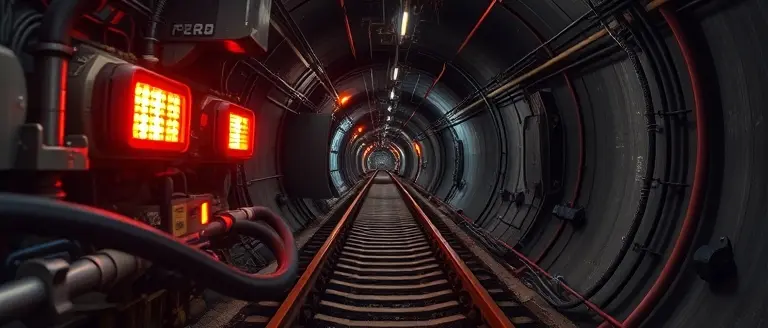
The C interlocking is a critical junction located within the East River Tunnel complex, serving as a primary throat for trains entering and exiting Penn Station. In railroad terminology, an interlocking is a complex arrangement of signals and switches that prevents trains from conflicting paths, effectively acting as the “traffic control” system for the tracks. When a failure occurs at this specific junction—especially one involving an electrical cable feeder—the entire transit flow is paralyzed because the system cannot safely route trains through the narrow tunnel corridors that connect Long Island to Manhattan.
Why Electrical Failures Cause Major Delays
The LIRR and Amtrak services share this high-density infrastructure, which relies on aging electrical components to maintain signaling and power distribution. A cable feeder fire creates a twofold emergency: first, it necessitates an immediate FDNY response to ensure passenger safety and extinguish the blaze, and second, it forces a complete shutdown of power to the affected section. Because the C interlocking is a bottleneck, the loss of electrical functionality means that signals lose their redundancy, and switch motors fail to operate, making it physically impossible for dispatchers to move trains safely through the tubes.
The Challenge of Aging Tunnel Infrastructure
Frequent incidents like this Penn Station fire highlight the ongoing strain on the system’s legacy components. Key factors contributing to these recurring disruptions include:
- Systemic Fatigue: Many components within the East River Tunnels have been in continuous, heavy-duty service for decades, often exceeding their intended design life.
- Tight Constraints: There is virtually no room for error or mechanical bypasses when a feeder fails in such a constricted, subterranean environment.
- Dependency Risks: Because so many commuters rely on the LIRR for midtown access, a failure at a single interlocking creates a “domino effect,” forcing massive diversions to Grand Central Terminal or outright cancellations.
While crews work to repair the damaged cabling, the reliance on these critical junctions underscores why modernizing the core infrastructure remains a primary challenge for regional transit authorities. Understanding these vulnerabilities explains why even localized electrical issues can lead to the widespread commuter chaos observed today.
Commuter Survival Guide: Apps, Resources, and Future Updates

Navigating the aftermath of a major transit disruption at Penn Station requires quick thinking and access to reliable information. Because a penn station fire involving electrical infrastructure can trigger cascading service failures, commuters should not rely on station announcements alone. When service between Jamaica and Manhattan is suspended, your primary goal should be to pivot to the MTA TrainTime app. This remains the most accurate source for LIRR status updates, providing real-time data on train terminations and revised schedules. If your train is diverted to Grand Central Terminal, the app will typically reflect the adjusted arrival status before it is announced on the platform.
Essential Transit Tools and Recovery Tips
To maintain your commute efficiency during a penn station nyc service halt, ensure you have these resources accessible on your mobile device:
- MTA TrainTime App: The official source for the latest LIRR service changes, including specific track assignments and train cancellations.
- Citymapper: Highly recommended for navigating complex, last-minute subway diversions, as it provides turn-by-turn routing for alternative subway connections when rail lines are down.
- MTA Service Alerts (X/Twitter): Follow @LIRR and @AmtrakNEC for live, human-verified updates during critical infrastructure incidents.
- Service Status Dashboard: Visit the official MTA website, which offers a comprehensive view of line-by-line service statuses, often updated faster than physical signage in stations.
When infrastructure events like the recent cable feeder fire occur, patience is a functional necessity. Expect extreme crowding at subway transfer points and terminal hubs. If you are at Jamaica, consider utilizing subway lines—such as the E or J—to reach Manhattan rather than waiting indefinitely for a train to be restored to Penn Station. Always check the official MTA website for fare cross-honoring policies, which are frequently enacted during significant service disruptions to allow riders to use alternative routes at no additional cost. Preparation and flexibility are your best tools until the transit system returns to normal operation.
Reclaim Your Calm Amidst the Chaos
While transit authorities work to restore service, the immediate reality remains a fluid, high-stress environment for every commuter. By prioritizing Grand Central Terminal connections and utilizing official LIRR cross-honoring policies, you can navigate these disruptions with greater efficiency. However, the true bottleneck during these incidents isn’t just the track conditions—it’s the mental fatigue that builds as you struggle to process complex travel changes under pressure.
Navigating a major transit disruption like today’s Penn Station incident requires immense focus and patience, but the mental fog induced by stress can make it even harder to manage your new commute. When you are stuck waiting on a crowded platform, your brain is often overwhelmed by the noise and uncertainty, leading to diminished decision-making capacity.
This is where The Brain Song becomes an essential part of your commuter survival kit. Designed to cut through stress-induced mental fog, this 12-minute auditory routine provides the cognitive restoration you need to stay sharp and composed while navigating reroutes. It transforms your otherwise draining waiting period into a moment of intentional recovery, allowing you to reclaim control over your mindset even when the city’s infrastructure falls short.
 Regain your mental edge while you travel—try The Brain Song’s 12-minute auditory routine to stay sharp during your rerouted commute.Transform My Commute Now!