
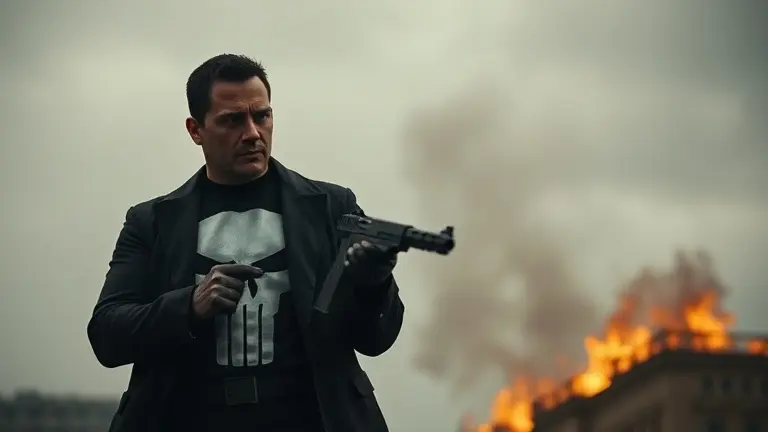
Frank Castle has returned, but he is far from the vigilante we once knew. The Punisher: One Last Kill, the gritty Marvel Television Special Presentation released on Disney+, doesn’t just reintroduce Jon Bernthal; it dissects the very soul of a man consumed by the echoes of his own trauma. Far from a standard action-hero romp, this project serves as a stark, character-driven reset within the MCU, abandoning the high-octane bravado of the Netflix era for a somber, claustrophobic look at the toll of eternal war on the human psyche. It is a bold, albeit polarizing, shift that challenges our perceptions of the MCU’s traditional tone.
While fans remain locked in heated debates—ranging from the buzzworthy VFX controversy in the pivotal stunt sequence to the intense, dour atmosphere—the true weight of this special lies in its narrative trajectory. As we navigate this “origin reset,” we must look closer at how Frank’s unraveling stability connects to the looming Spider-Man: Brand New Day. Whether you are here to decode the final frame or to understand why this feels like the most vulnerable version of Frank Castle ever committed to screen, the journey ahead is as mentally taxing as it is rewarding.
The Return of Frank Castle: Understanding ‘The Punisher: One Last Kill’
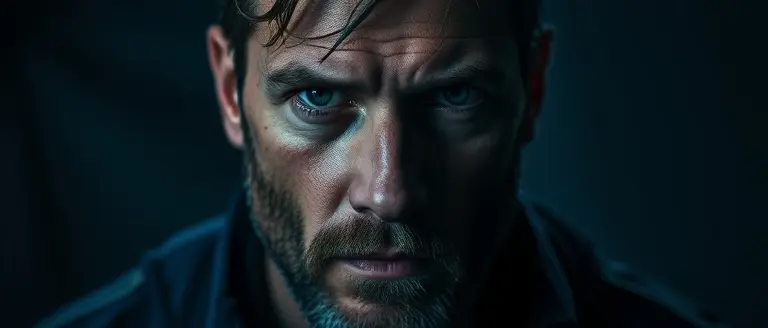
Released on May 12, 2026, the punisher one last kill marks a definitive turning point for the Marvel Cinematic Universe (MCU). Moving away from the serialized format of the previous Netflix iterations, this Disney+ Special Presentation acts as a refined “origin story reset.” Director Reinaldo Marcus Green adopts a gritty, minimalist aesthetic that prioritizes psychological weight over traditional superhero spectacle. By narrowing the scope, the special allows Jon Bernthal to explore the fractured psyche of Frank Castle with unprecedented depth, focusing squarely on the character’s lingering PTSD and the suffocating nature of his grief rather than relying on standard action-adventure tropes.
A New Vision for a Classic Anti-Hero
The narrative structure of The Punisher: One Last Kill is intentionally claustrophobic, reflecting Castle’s internal isolation. Critics have noted that while the project maintains the brutal, visceral combat associated with the punisher, it pivots toward a character study. Reinaldo Marcus Green’s directorial vision emphasizes the “feral” reality of Castle, stripping away the polish of earlier MCU entries to present a raw, unvarnished look at a man who cannot escape his past. Key thematic elements driving the special include:
- Psychological Decay: A primary focus on how Frank Castle processes trauma in a world that has evolved beyond his initial war.
- The MCU Integration: Serving as a bridge to upcoming projects like Spider-Man: Brand New Day, the story establishes where a character of Castle’s moral ambiguity fits within the broader, more hopeful landscape of the current MCU.
- Character Evolution: Moving past the “Netflix era” Punisher, this iteration frames Castle as a haunting figure whose violence is both a burden and an addiction.
Ultimately, the punisher one last kill release time signaled a major shift in Marvel’s digital strategy, favoring high-impact, short-form storytelling. While the tone is undeniably dour, it aligns with a growing audience demand for grounded, adult-oriented content that refuses to compromise on the harsh realities of its protagonist’s war on crime.
Evolution of an Anti-Hero: Netflix vs. Disney+ Era
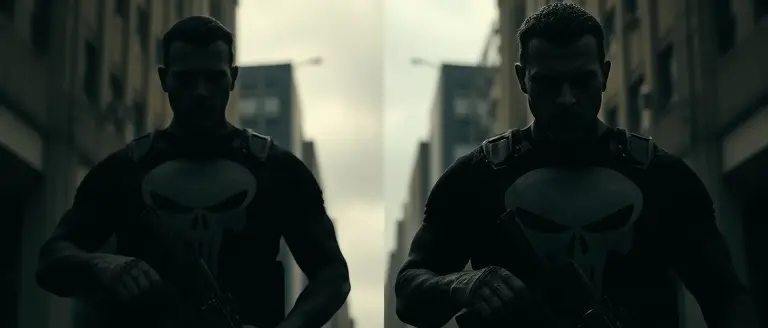
The transition of The Punisher from the gritty, urban sprawl of the Netflix era to the more focused, introspective lens of the Disney+ Special Presentation marks a pivotal shift in how the MCU handles lethal vigilantes. While the previous series leaned heavily into a procedural, revenge-driven narrative, The Punisher: One Last Kill functions as a raw, psychological character study. Jon Bernthal returns to the role with a performance that moves away from the explosive, bullet-riddled set pieces of the past, opting instead to highlight the agonizing persistence of Frank Castle’s PTSD and grief. This “origin story reset” effectively strips away the peripheral crime syndicates to isolate the man behind the skull, portraying a version of Castle that is less of a traditional anti-hero and more of a haunted soul struggling with the aftermath of a life defined by violence.
Shifting from Action to Internal Conflict
The stylistic departure in The Punisher: One Last Kill is evident in its pacing and visual language. Where the Netflix iteration often relied on high-octane, visceral combat to define Castle’s growth, this special favors long, contemplative takes that emphasize the “feral” nature of a man who can no longer distinguish between his mission and his trauma. Key differences in this new approach include:
- Internalization of Trauma: The narrative prioritizes Frank’s internal mental landscape over the typical “villain of the week” structure.
- Reduced Scope: By narrowing the story, the director emphasizes the isolation inherent to the character, moving away from the sprawling, multi-character ensembles of the Netflix series.
- Atmospheric Tone: Critics have noted a significantly more “dour” and melancholic aesthetic, which reinforces the weight of Frank’s decisions within the MCU canon.
This change in production philosophy allows Bernthal to explore the quieter, more harrowing moments of Castle’s existence. By choosing this character-driven path, the special bridges the gap between the dark, street-level roots of the character and the broader, more complex narrative requirements of the current Marvel timeline. Rather than attempting to reboot the high-octane action, the creative team has delivered an analysis of what happens when the war never truly ends, making this project an essential study for any fan tracking the evolution of Frank Castle.
The ‘Brand New Day’ Connection and the Ending Explained

The climactic conclusion of the punisher one last kill serves as a somber pivot point for the Marvel Cinematic Universe, effectively positioning Frank Castle not as a traditional hero, but as a traumatized catalyst for the upcoming “Spider-Man: Brand New Day” event. By focusing on the internal decay of Castle’s psyche rather than explosive set pieces, director Reinaldo Marcus Green establishes a narrative foundation where the character’s PTSD and unresolved grief become the primary drivers of his instability. This resolution intentionally strips away the “vigilante” allure of the Netflix era, presenting a version of the punisher that is more feral and detached from reality, signaling that his integration into the wider MCU will be marked by moral friction rather than heroic team-ups.
The thematic threads woven into the finale provide critical context for the “Brand New Day” trajectory in several ways:
- The Moral Reset: Unlike his previous iterations, this Jon Bernthal portrayal concludes with a deliberate detachment from his past life, clearing the board for a fresh, more chaotic entry into the primary MCU timeline.
- Psychological Decay: The film’s ending emphasizes that Castle is no longer seeking justice, but is instead trapped in a recursive cycle of trauma, a trait that the “Brand New Day” narrative utilizes to challenge the optimism of other street-level MCU characters.
- Interconnected Stakes: By leaving Castle in a state of self-imposed isolation, the special ensures that his re-emergence into the public eye will feel like an intrusion, complicating the shifting political landscape of the upcoming Marvel sagas.
Ultimately, the ending is not a traditional resolution but an origin-style reset. By refusing to offer a clean victory, the creative team ensures that Frank Castle remains a volatile entity. For viewers following the punisher one last kill release time and subsequent analysis, the implication is clear: the MCU is moving toward a grittier, more fragmented reality where the line between protagonist and antagonist is increasingly obscured by the protagonist’s own fractured mental state.
Fact-Checking the VFX Controversy: Reality vs. Internet Discourse
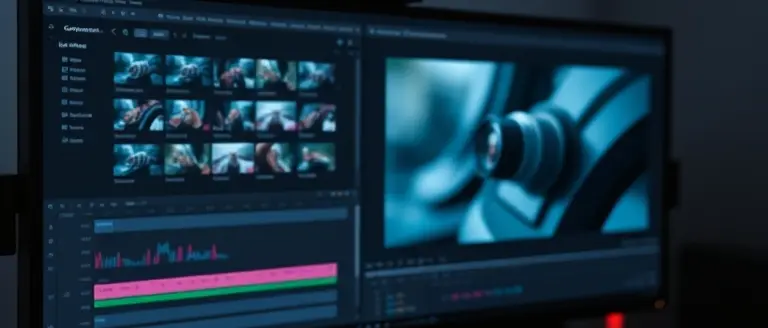
Since the May 12, 2026, premiere of the punisher one last kill on Disney+, social media platforms have been inundated with viral clips pointing to a noticeable technical oversight. The controversy centers on a specific, high-octane stunt sequence roughly halfway through the special, where a digital composite—intended to blur the background during a high-speed pursuit—appears to have been left in an unfinished state. Sharp-eyed viewers on platforms like Reddit and X (formerly Twitter) quickly identified frames where the rotoscoping around Jon Bernthal appears jagged and translucent, suggesting that a lower-resolution render was inadvertently included in the final streamable master.
Analyzing the Technical Production Flaw
While the internet discourse has framed this as a sign of declining quality control within the Marvel Cinematic Universe, it is important to distinguish between deliberate creative choices and genuine post-production errors. Industry reports, including those from The Hollywood Reporter, suggest that the oversight likely stems from a rushed render pipeline during the final stages of the project’s delivery. To clarify the situation, consider the following factual points regarding the incident:
- Render Error: Evidence suggests the issue is a “proxy file” mistake, where a low-resolution placeholder was mistakenly swapped into the final edit during the color-grading process.
- Scope of the Issue: The flaw is isolated to a three-second window, which contrasts with the high production value found throughout the rest of the film.
- Marvel’s Response: While Marvel has not issued a formal statement, internal sources indicate that a “corrected” version of the scene is currently being prepared for a silent patch update to the Disney+ library.
The intense focus on this single VFX error has arguably overshadowed the thematic weight of the project, which aims to redefine the punisher for a new generation. By separating the technical frustration from the narrative goals of director Reinaldo Marcus Green, viewers can better appreciate the character study at play. The discourse serves as a reminder of the heightened expectations for MCU productions, where even minor technical slips are amplified by the platform’s massive global reach. Ultimately, the controversy is less a commentary on the special’s artistic integrity and more a byproduct of the modern streaming ecosystem’s rapid post-production cycles.
Reclaim Your Focus After the Descent
Unpacking the psychological depths of ‘The Punisher: One Last Kill’ is an intense experience. By moving away from the conventional action-heavy narrative and focusing on the crushing weight of PTSD and grief, the special leaves viewers in a state of cognitive exhaustion. Just as Frank Castle must navigate the suffocating mental fog of his past to find his sense of purpose, you often find your own clarity compromised by the heavy, analytical intensity required to process such bleak and complex media.
If you have spent your time decoding the implications of this MCU shift or analyzing the technical intricacies of the production, you might be feeling the mental drain that follows deep cognitive engagement. This is where The Brain Song becomes an essential tool. It is not just about relaxation; it is a neuroscience-based, auditory solution designed to sharpen your mental focus and restore cognitive clarity through targeted Gamma brainwave stimulation.
Think of it as your own personal “cognitive reset” button. After the heavy themes of this special leave you feeling mentally depleted, a quick, 12-minute session with The Brain Song can help clear away the lingering haze and recharge your analytical edge. Do not let the intensity of the entertainment drain your capacity for the day ahead—restore your focus and sharpen your mind with a routine backed by science.
 Recharge your focus after the show—try the 12-minute Brain Song routine to clear your mental fog today.Yes, I Want To Clear My Mind Now!