

The latest cpi inflation report from the Bureau of Labor Statistics has sent a jolt through the markets, with the annual rate climbing to 3.8%—a level not seen since May 2023. This unexpected spike, fueled by energy volatility stemming from the ongoing conflict in Iran, has shattered the narrative of a smooth descent toward the Fed’s 2% target. As institutional analysts scramble to push back expectations for rate cuts into late 2026 or beyond, the focus of the financial world is firmly on the ‘higher for longer’ reality.
While the headlines are dominated by S&P 500 pullbacks and treasury yield volatility, the real story is playing out in your living room. A 3.8% print isn’t just a number on a screen; it is a persistent tax on your household budget, driving up costs for everything from heating your home to essential services. In an environment where macroeconomic policy remains stuck in a holding pattern, waiting for the Federal Reserve to pivot is no longer a viable strategy for preserving your personal wealth.
April 2026 CPI Surge: Breaking Down the 3.8% Inflation Print
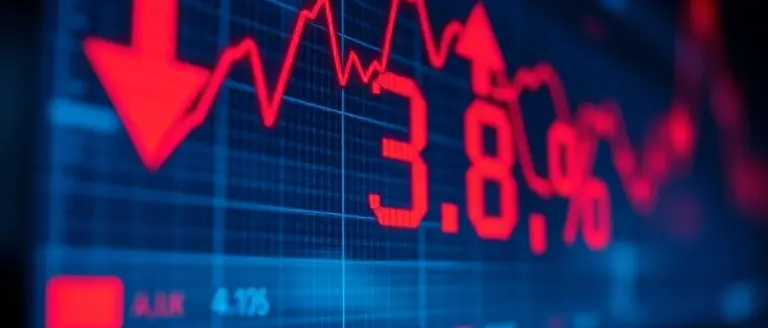
The U.S. Bureau of Labor Statistics (BLS) released its cpi inflation report on May 12, 2026, confirming that the all-items index rose 3.8% for the 12 months ending in April. This figure represents the highest annual inflation rate observed since May 2023, shattering investor hopes for a steady decline toward the Federal Reserve’s 2% target. Market participants were largely caught off guard, as the print significantly outperformed consensus estimates, triggering a volatile sell-off in major stock indices like the S&P 500 and Nasdaq.
The Geopolitical Trigger: Energy-Driven Inflation
The primary engine behind this inflationary spike is the volatile energy sector, which has been severely impacted by escalating tensions in the Middle East. With the ongoing Iran war disrupting critical supply chains and maritime transit, global oil prices have experienced a rapid ascent.
- Supply Chain Compression: Regional instability has created a risk premium on crude oil, filtering directly into domestic costs.
- Energy Costs: Reports indicate a staggering 65% increase in gasoline prices over the last six months, serving as a primary driver for the headline 3.8% CPI figure.
- Broad Transmission: Elevated energy prices are not merely confined to the gas pump; they are driving up transportation and logistics costs, which in turn place upward pressure on the price of consumer goods across the board.
Institutional Pivot and Market Consequences
This “hot” print has fundamentally altered the monetary policy narrative. Institutional giants, including Goldman Sachs and Bank of America, have aggressively revised their forecasts, shifting expectations for the first Federal Reserve interest rate cut to late 2026 or even 2027. This move toward a “higher for longer” interest rate environment reflects growing concern that inflation is becoming increasingly sticky. As treasury yields rise in anticipation of continued central bank hawkishness, investors are now recalibrating portfolios to survive a period of prolonged volatility and elevated borrowing costs.
The Energy-Inflation Connection: Understanding the ‘Why’
The recent cpi inflation report showing a 3.8% annual increase has left many consumers wondering why price pressures have reignited despite a long period of cooling data. The primary culprit is a sharp, exogenous shock to global energy markets. Geopolitical instability stemming from the ongoing conflict involving Iran has introduced a significant “risk premium” into global oil and gas pricing. Because energy is a fundamental input cost for almost every sector—ranging from manufacturing and logistics to food production—this surge acts as a multiplier, pushing the overall cpi inflation rate higher across the board.
How Geopolitics Transmits to Your Wallet
The transmission mechanism between conflict and the consumer price index is both rapid and broad. When supply chain security in key energy-producing regions is threatened, global crude oil prices fluctuate violently. This volatility triggers a cascading effect:
- Transportation Costs: Higher diesel and gasoline prices increase the cost of moving goods, which retailers inevitably pass on to the consumer.
- Manufacturing Inputs: Petrochemicals are essential components in plastics, fertilizers, and packaging, creating a “hidden” inflation layer in grocery and household goods.
- Utility Inflation: Electricity grids that rely on natural gas or oil-indexed fuels see immediate cost adjustments, forcing household utility bills upward.
While data suggests that core service sectors have remained relatively stable, energy volatility has acted as the primary catalyst for the most recent cpi inflation report reading. Unlike the broad-based demand-pull inflation seen in 2023, the current environment is defined by supply-side shocks. This distinction is critical for investors and households alike, as it suggests that price volatility will remain high until energy supply chains stabilize or find a new, higher-cost equilibrium, explaining why market analysts are bracing for a “higher for longer” interest rate environment.
Personal Finance Impact: What 3.8% Inflation Means for Your Wallet

The May 2026 cpi inflation report showing a 3.8% annual increase serves as a critical signal for household financial planning. When the cost of living rises at this pace, the “higher for longer” interest rate environment moves from a macroeconomic headline to a direct pressure on your monthly budget. As the Federal Reserve signals a potential delay in rate cuts, borrowing costs remain elevated, making it increasingly expensive to finance homes, vehicles, or education.
How Sticky Inflation Affects Your Debt and Savings
The immediate consequence of a “hot” cpi inflation rate is the upward pressure on consumer interest rates. Because lenders track treasury yields—which have surged in response to this report—you should anticipate the following impacts:
- Mortgage Rates: Expect fixed-rate mortgages to remain high or climb further. If you were planning to buy a home, the monthly payment on a median-priced house will likely require a higher debt-to-income ratio than anticipated.
- Variable-Rate Debt: For those holding variable-rate student loans or credit card balances, the “higher for longer” Fed outlook means your interest expenses will likely stay near peak levels, complicating debt repayment strategies.
- 401(k) Purchasing Power: Persistent inflation erodes the real value of your long-term savings. While equities have historically served as an inflation hedge, the current market volatility suggests that a diversified approach focusing on high-yield cash equivalents or inflation-protected securities may be necessary to preserve your portfolio’s buying power.
To navigate this landscape, focus on stabilizing your cash flow. Prioritize paying down high-interest revolving debt, as the cost of carrying balances is now higher than in previous, lower-inflation years. Additionally, consider adjusting your budget to account for the energy-driven price spikes currently rippling through the economy. By tightening discretionary spending today, you build the financial resilience needed to weather a period where the dollar buys less at the grocery store and the gas pump.
The ‘Higher for Longer’ Consensus: A Shift in Fed Expectations

The May 12, 2026, cpi inflation report has fundamentally altered the trajectory of U.S. monetary policy. With the cpi inflation rate climbing to 3.8%—a level not seen since May 2023—the Federal Reserve’s previous roadmap for easing financial conditions has effectively been dismantled. Institutional heavyweights, including Goldman Sachs and Bank of America, have recalibrated their outlooks, now signaling that potential interest rate cuts may not materialize until late 2026 or potentially 2027. This dramatic pivot reflects a growing consensus that the “easy money” era is firmly on hold as the central bank grapples with persistent, supply-side inflationary pressures.
Why the Fed Is Staying Hawkish
The Federal Reserve’s mandate is to maintain price stability, and the current “hot” inflation print forces their hand. Because the recent spike is heavily tied to energy volatility stemming from geopolitical tensions, the Fed cannot simply lower rates to stimulate the economy without risking an unanchored inflationary spiral. By maintaining a restrictive stance, officials aim to cool aggregate demand to offset the energy-driven price shocks. For investors and consumers, this creates a challenging environment characterized by:
- Extended Borrowing Costs: Mortgage rates, auto loans, and credit card APRs are likely to remain elevated, as these rates are heavily influenced by the Fed’s federal funds rate and the subsequent impact on treasury yields.
- Market Volatility: As seen in the recent pullback of the S&P 500 and Nasdaq, equity markets struggle when the “pivot” date is delayed, necessitating a more defensive posture for long-term portfolios.
- The “Higher for Longer” Reality: This policy framework suggests that the terminal rate—the peak level of interest rates—will remain restrictive for a longer duration than the market anticipated just months ago.
Ultimately, the shift to a “higher for longer” policy represents a defensive strategy to ensure that inflation does not become embedded in the broader economy. For the average American, this means prioritizing debt reduction and liquidity over speculative investments, as the cost of capital remains at a multi-year high, reflecting the gravity of the current macroeconomic environment.
Take Control of Your Financial Buffer
As the economy grapples with sticky inflation and the resulting pressure on your cost of living, waiting for broader market stability is a passive strategy that leaves your savings vulnerable. The current 3.8% inflation print highlights the hidden costs of relying on professional services, where labor and material markups are increasingly passed on to you. To shield your household budget, you must shift your mindset from being a consumer to becoming an asset-builder.
By mastering high-quality woodworking skills, you gain the ability to tackle home repairs and improvements independently, effectively bypassing retail overheads and professional service fees. This isn’t just about saving money; it is about converting your time into tangible home equity. In this high-inflation environment, investing in your own ability to create and repair is the ultimate hedge, turning your home into a productive asset rather than a drain on your finances.
Our solution provides a practical, cost-effective roadmap to help you navigate these inflationary pressures by equipping you with the tools to manage your own home maintenance projects with professional results. Stop letting the macro-economic environment dictate your personal bottom line and start building your financial resilience today.
 Start building your own financial buffer today by accessing over 16,000 professional-grade projects designed to stop the drain on your budget.Protect My Finances Today!