

The cricket world is still reeling from the shockwaves sent out on May 12, 2026, as Bangladesh delivered a masterclass in resilience and tactical execution, securing a decisive 104-run victory over Pakistan in the 1st Test. This result was far more than an upset; it was a resounding statement of maturity. Building on the historic success of their 2024 series sweep, Bangladesh’s current form—spearheaded by the raw pace of Nahid Rana and the composed leadership of Najmul Hossain Shanto—highlights a shifting balance of power in South Asian Test cricket. Even with key personnel like Babar Azam missing from the opposition, the clinical nature of this performance suggests a new era for the Tigers in the ICC World Test Championship 2025-27 cycle.
As the focus turns toward the 2nd Test in Sylhet, set to begin on May 16, the questions for analysts and fans alike are mounting. How will Pakistan adapt to the unrelenting pressure of this Bangladesh pace battery? Can the Tigers maintain their technical discipline on a potentially different track? To truly understand the evolving complexities of this series, we must move beyond the surface-level results. In this deep dive, we break down the tactical blueprints of the Dhaka victory and look at what it will take for both sides to gain the upper hand in the high-stakes showdown that awaits in Sylhet.
Bangladesh Secures Historic 104-Run Victory in 1st Test vs Pakistan

The cricketing landscape in South Asia shifted noticeably on May 12, 2026, as Bangladesh cemented their growing dominance in the longest format of the game. By securing a commanding 104-run victory over Pakistan in the 1st Test match in Dhaka, the hosts showcased a level of professional discipline that has become their hallmark. This result is far from a fluke; it marks the third consecutive Test match victory for Bangladesh against Pakistan, directly building upon the momentum of their historic 2-0 series sweep in 2024. The victory serves as a powerful statement of intent, proving that Bangladesh’s rise in the international rankings is fueled by consistent performance rather than isolated spikes in form.
Implications for the World Test Championship
This win provides a massive boost for Bangladesh in the ongoing ICC World Test Championship 2025-27 cycle. By securing crucial points against a formidable opponent, the team has significantly bolstered its standing on the table. The tactical execution displayed in Dhaka—characterized by aggressive pace bowling and composed batting under pressure—highlights the maturation of a squad led by Najmul Hossain Shanto. Key factors behind the success include:
- Dominant Bowling Attack: The pace battery, spearheaded by the fiery Nahid Rana, dismantled the Pakistani batting lineup during the final session, turning a competitive game into a decisive result.
- Strategic Resilience: Despite facing a Pakistan team missing key veterans like Babar Azam due to injury, the Bangladesh side remained clinical, refusing to take their foot off the pedal despite early scoreboard pressure.
- Momentum Shift: Having now strung together three straight wins in this specific rivalry, Bangladesh has effectively dismantled the psychological barrier that once favored their neighbors, positioning themselves as the team to beat heading into the 2nd Test in Sylhet.
As the series moves forward, the focus shifts to whether the visitors can adjust their team composition to counter the aggressive pace strategy that proved so effective in Dhaka. With the series finale scheduled for May 16-20, all eyes are on how these tactical developments will influence the final outcome of this high-stakes ICC WTC showdown.
Tactical Analysis: The Rise of Bangladesh’s Pace Attack

The recent Bangladesh vs Pakistan Test series has highlighted a paradigm shift in South Asian cricket: the emergence of a formidable, pace-centric bowling attack. Historically, teams from the subcontinent relied almost exclusively on spin to dictate terms on dry, turning tracks. However, Bangladesh’s decisive 104-run victory in the first Test of the ICC World Test Championship 2025-27 cycle demonstrates a tactical evolution. Led by the raw pace and relentless accuracy of Nahid Rana, the Bangladeshi seamers consistently troubled the Pakistani batting lineup, effectively negating the traditional advantage of familiar conditions.
The Nahid Rana Factor
Nahid Rana’s performance was the catalyst for the historic win. His ability to hit the deck hard and extract movement, even on surfaces that did not immediately favor seamers, caught the Pakistan side off guard. By focusing on aggressive lengths—targeting the corridor of uncertainty—Rana forced errors that Pakistan’s experienced middle order, even in the absence of Babar Azam, struggled to resolve.
Key tactical takeaways from Bangladesh’s bowling performance include:
- Aggressive Length Targeting: Bowlers prioritized hitting the top of the off-stump, a stark departure from the defensive lines often seen in earlier generations of Bangladeshi cricket.
- Effective Pace Variation: Utilizing speed to pressure batters, the attack effectively disrupted the rhythm of Shan Masood’s team, turning the tide during critical sessions.
- Strategic Discipline: Despite the high-stakes nature of the World Test Championship, the pace unit maintained collective composure, ensuring that the pressure built in one session was sustained throughout the five-day period.
This tactical pivot suggests that Bangladesh is no longer content with playing a secondary role in the Test format. As the series moves to Sylhet for the 2nd Test, the focus remains on whether this pace-heavy model can sustain its dominance. If the trend continues, it signals a long-term development in Bangladeshi cricket, shifting the team’s identity from a spin-dependent outfit to a balanced, multi-dimensional bowling force capable of competing against the world’s best on any surface.
Pakistan’s Challenges: Injury Woes and Squad Depth
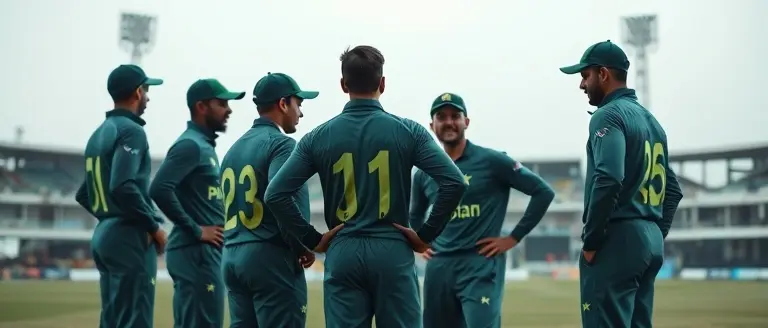
The recent Bangladesh vs Pakistan Test series has highlighted significant cracks in the Pakistani setup, specifically regarding squad depth and physical conditioning. The absence of superstar batter Babar Azam due to injury has been a massive blow, leaving a gaping hole in the middle order that the current team has struggled to fill. Without his composure and ability to anchor long innings, the Pakistani batting lineup frequently collapsed under pressure, failing to mount an effective counter-attack against Bangladesh’s aggressive pace attack.
The Impact of Missing Leadership
The current leadership under Shan Masood is facing intense scrutiny as the team struggles to adapt to changing conditions. The lack of veteran presence has exposed younger, less-experienced players who appear ill-equipped to handle the tactical nuances of high-stakes Test cricket. Key issues currently plaguing the squad include:
- Middle-Order Fragility: With Babar Azam sidelined, the team lacks a reliable playmaker to stabilize the game during top-order collapses.
- Bowling Inefficiency: The lack of disciplined line-and-length bowling allowed the Bangladesh batting lineup to settle into a rhythm, resulting in critical partnerships that shifted the momentum of the 1st Test.
- Lack of Bench Strength: Recent performance suggests that the reserve players are not yet at the required standard to compete at the ICC World Test Championship level.
The inability to rotate players effectively or implement a cohesive recovery strategy has left Pakistan reeling. As they head toward the 2nd Test in Sylhet, the team must address these technical and psychological gaps. Evidence suggests that if Pakistan continues to rely on a depleted roster without adjusting their tactical approach, they risk further extending their losing streak against a surging Bangladesh side. The management must now prioritize rehabilitating key assets and identifying players capable of providing the necessary grit required to compete in the demanding format of Test cricket.
Looking Ahead: What to Expect in the 2nd Test

The focus of the Bangladesh vs Pakistan series now shifts to the Sylhet International Cricket Stadium, where the second Test is scheduled to take place from May 16–20, 2026. Following their clinical 104-run victory in Dhaka, the Bangladeshi squad enters this match with significant psychological momentum. Having secured three consecutive Test wins against Pakistan—dating back to their historic 2024 sweep—the hosts have demonstrated a sophisticated level of tactical discipline. Captain Najmul Hossain Shanto will be looking to maintain this aggressive tempo, particularly by utilizing the pace-bowling threat of Nahid Rana, whose five-wicket haul in the first Test proved that Bangladesh possesses the firepower to dismantle elite batting lineups even without relying solely on spin-friendly conditions.
Strategic Adjustments and Expectations
For Pakistan, the pressure to salvage the series is immense. With Babar Azam remaining sidelined due to injury, captain Shan Masood must rally a fragile batting order that struggled to contain the sustained pace aggression shown in Dhaka. Analysts suggest that the Sylhet pitch may offer more balance, potentially providing Pakistan’s seamers a chance to exploit movement early on. However, the current form favors Bangladesh, who have shown marked professional development in their ICC World Test Championship 2025-27 cycle performance. Key factors to watch include:
- Pace Bowling Utilization: Whether Bangladesh continues with a four-pronged pace attack or opts for a spin-heavy setup depending on local soil conditions.
- Middle-Order Resilience: Can Pakistan’s senior players step up to fill the void left by Babar Azam to provide a stable foundation?
- Sylhet Pitch Dynamics: Initial reports suggest a surface that could favor early swing, placing extra emphasis on the opening powerplay sessions.
Fans looking for real-time updates should rely on official ICC match centers and verified social media feeds from major sports networks. With the stakes high for both teams in the World Test Championship standings, the second Test promises to be a defining encounter in the evolving landscape of South Asian cricket.
Mastering the Tactical Shift in the 2nd Test
The recent triumph in Dhaka isn’t just a win; it is a clear indicator that Bangladesh has evolved into a formidable force in Test cricket. By systematically dismantling the opposition with disciplined pace and calculated batting, they have redefined their stature on the international stage. As we look toward the 2nd Test in Sylhet, the narrative shifts from mere surprise to a serious tactical examination of how this momentum can be sustained against a wounded but dangerous side.
Much like the players who must maintain absolute mental acuity during the grueling five days of a Test match, fans and analysts require deep, sustained focus to truly decode the complex strategic shifts unfolding in this World Test Championship cycle. Navigating the data and pressure of a high-stakes series requires more than just passion; it demands a sharpened cognitive edge. This is where The Brain Song becomes an essential companion for the modern sports strategist.
By integrating this 12-minute auditory routine into your daily preparation, you can unlock enhanced mental clarity and eliminate the brain fog that often clouds deep analysis. Whether you are dissecting bowling spells or predicting team adjustments for the upcoming match, this tool ensures you stay as sharp as the game demands. Don’t just watch the series—master the nuances of every delivery.
 Elevate your analytical game and maintain mental sharpness during the 2nd Test by integrating this 12-minute auditory routine into your daily preparation.Yes, I Want This Now!