
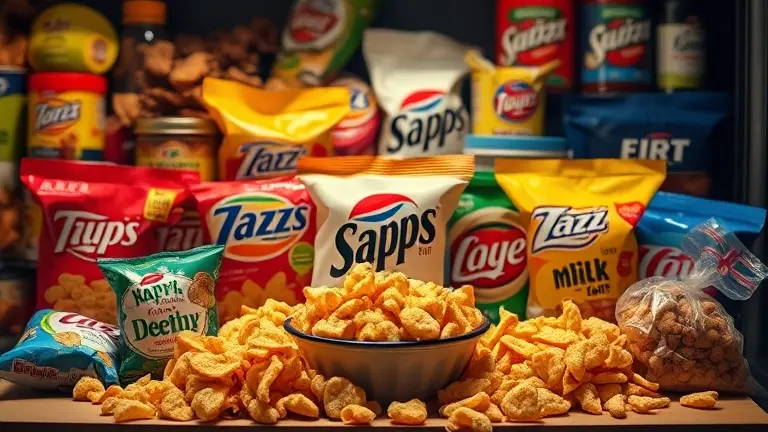
In early November 2026, the American food safety landscape was shaken by a massive, cascading wave of voluntary recalls affecting a wide range of popular snack brands. From household names like Zapp’s and Dirty potato chips to various snack mixes under the Fisher, Squirrel Brand, and Good & Gather labels, millions of packages are being pulled from shelves at major retailers including Target, HEB, and Food Lion. The crisis, driven by potentially contaminated ingredients like dry milk powder and seasoning blends, has left many families questioning the safety of their pantries and the transparency of the supply chain that brings processed goods into our homes.
While this situation demands vigilance, it is also a critical wake-up call for consumers regarding the reliance on highly processed, mass-manufactured foods. Beyond simply checking your lot codes and disposing of affected items, this moment offers a unique opportunity to re-evaluate the overall quality of the ingredients you allow into your household. As you clear your shelves of potential pathogens, the most proactive step you can take is to transition toward a more intentional, health-conscious lifestyle that prioritizes your internal well-being above convenience.
Understanding the November 2026 Snack Recall: What You Need to Know
In early November 2026, the American grocery landscape faced a significant disruption as popular snack brands recalled dozens of products due to Salmonella risk. This widespread safety initiative, triggered by reports of potential bacterial contamination, has affected a broad range of pantry staples found in major retailers such as Target, HEB, and Food Lion. The core of this issue stems from shared supply chain components, specifically dry milk powder and specialized seasoning blends, which were identified as potential vectors for Salmonella introduction during the manufacturing process. By identifying these common ingredients early, manufacturers have initiated these voluntary recalls to prioritize consumer health and mitigate the risk of foodborne illness.
The scope of these recalls is extensive, impacting well-known household names and private-label goods alike. Affected items include, but are not limited to:
- Utz Brands: Including specific varieties of Zapp’s and Dirty potato chips.
- Snack Mixes: Products under the Fisher and Squirrel Brand labels.
- Retailer Private Labels: Various items from Target’s Good & Gather line.
- Additional Processed Goods: Reports have also flagged certain Swiss rolls—such as Freshley’s and Great Value brands—and frozen food items like Mama Cozzi’s breakfast pizzas.
These actions serve as a proactive measure rather than a response to confirmed widespread illness outbreaks, illustrating the rigorous quality control systems currently in place within the food industry. Because these ingredients are integrated into a vast array of shelf-stable goods, the situation remains fluid. Consumers are encouraged to remain vigilant, as the interconnected nature of modern food production means that a single tainted ingredient can necessitate a wide-reaching market withdrawal. If you believe you have purchased an impacted item, it is essential to cross-reference your specific package lot codes against the official manufacturer alerts to ensure your home remains safe.
Master Recall Checklist: How to Identify Affected Products
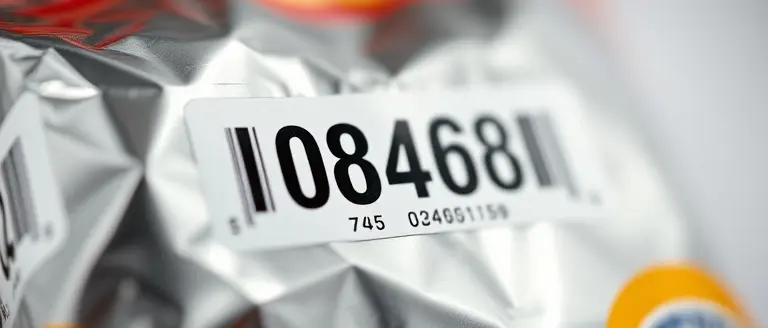
In light of the recent wave of food safety alerts, consumers are understandably concerned about whether popular snack brands recalled dozens of products due to salmonella risk are sitting in their kitchens. Because these recalls involve widespread distribution—impacting retailers like Target, HEB, and Food Lion—the most critical step for pantry safety is identifying specific lot codes and expiration dates. Unlike broad product warnings, these voluntary recalls are highly targeted, meaning that not every package of a specific chip or snack mix is necessarily contaminated.
How to Check Your Pantry Items
To verify if your items are included in the recall, you must look for specific identifying markers on the exterior of the packaging. Follow this systematic approach to secure your home:
- Locate the “Best By” Date and Lot Code: These are typically printed on the back or bottom of the bag, often near the seam. If the ink is smudged, check the top flap or the back panel.
- Identify the Brand and SKU: The current recall impacts several major lines, including Utz (Zapp’s and Dirty chips), Fisher, Squirrel Brand, and Good & Gather snack mixes.
- Cross-Reference Official Data: Once you have the lot code, compare it against the master lists provided by the FDA’s Enforcement Reports or the specific manufacturer’s website. Many manufacturers, including Utz Quality Foods, have set up dedicated recall portals for this purpose.
- Check Supplemental Items: Beyond snacks, remain vigilant regarding other shelf-stable items, such as Mama Cozzi’s frozen pizzas and various brands of Swiss rolls, which have also been caught in this supply chain disruption.
If you discover an item that matches the recalled lot numbers, do not consume it. While the risk of Salmonella is serious, manufacturers have issued these voluntary recalls as a proactive safety measure. You should either return the product to the place of purchase for a full refund or dispose of it safely in a sealed bag to prevent cross-contamination in your trash. By cross-referencing your items against official updates, you can effectively manage potential risks and maintain a safe kitchen environment during this period of industry-wide supply chain adjustments.
Pantry Safety 101: Steps to Take if You Have Recalled Snacks
If you discover that items in your home are part of the list where popular snack brands recalled dozens of products due to Salmonella risk, immediate action is necessary to protect your household. The primary rule is simple: do not consume any product that has been flagged in these voluntary recalls, even if it appears, smells, or tastes normal. Salmonella bacteria are microscopic and do not change the appearance of food, making physical inspection an unreliable safety measure. Instead, rely strictly on the lot codes, best-by dates, and UPCs provided by official manufacturer alerts or the FDA database to determine if your specific item is affected.
Immediate Disposal and Return Procedures
Once you have identified a recalled item, you have two safe options to manage the product:
- Return for a Refund: Most major retailers involved, including Target, HEB, and Food Lion, are honoring full refunds for affected items. Take the product back to the point of purchase with your receipt if possible. Even without a receipt, many retailers are facilitating returns due to the public safety nature of these voluntary recalls.
- Safe Disposal: If you cannot return the item, dispose of it immediately. Place the snack packaging inside a sealed plastic bag to prevent cross-contamination or access by pets and pests. Ensure it is placed in an outdoor trash receptacle that is not easily accessible.
Sanitation and Household Safety
Beyond removing the product, you must address the surfaces where the snacks were stored. Because processed goods like Zapp’s, Dirty potato chips, Fisher snack mixes, and Mama Cozzi’s pizzas often share pantry space with other foods, cross-contamination is a significant risk.
Use a disinfectant cleaner or a bleach solution to wipe down pantry shelves, kitchen counters, and the interior of any cabinets where the recalled items were kept. Thoroughly wash your hands with soap and warm water for at least 20 seconds after handling any recalled packaging. If you suspect you or a family member may have ingested a contaminated product, monitor for Salmonella symptoms—which typically include diarrhea, fever, and abdominal cramps—and contact a healthcare provider if symptoms become severe. Taking these proactive steps is the most effective way to maintain pantry safety during this widespread supply chain event.
Salmonella Awareness: Symptoms and When to Seek Care

Understanding the clinical signs of Salmonella infection is essential as the list of popular snack brands recalled due to Salmonella risk continues to expand across the United States. Infection, known as salmonellosis, typically manifests between six hours and six days after consuming a contaminated product. While many healthy adults recover without specific treatment, the illness can be debilitating and requires careful monitoring.
Common Symptoms to Monitor
Most individuals suffering from Salmonella exposure will experience symptoms that mimic a severe gastrointestinal flu. If you have recently consumed recalled snack mixes, potato chips, or other processed goods flagged in the current wave of alerts, look for the following:
- Abdominal Cramping: Sudden, often painful stomach spasms.
- Diarrhea: Frequently watery or bloody stools.
- Fever: Often accompanied by chills.
- Nausea and Vomiting: Recurring episodes that can quickly lead to dehydration.
When to Seek Medical Attention
While symptoms often resolve within four to seven days, certain populations are at a significantly higher risk of developing severe, life-threatening complications if the bacteria spread to the bloodstream. You should consult a healthcare provider immediately if you or a family member falls into a vulnerable category, including young children, the elderly, or those with immunocompromised systems (such as individuals undergoing chemotherapy or living with chronic health conditions).
Seek professional medical care if you observe any of the following “red flag” indicators:
- Signs of severe dehydration, such as dizziness when standing, infrequent urination, or dry mouth.
- High fevers exceeding 102°F (38.9°C).
- Prolonged diarrhea lasting more than three days that shows no signs of improvement.
- Persistent vomiting that prevents the intake of liquids.
Because these voluntary recalls were initiated due to widespread supply chain contamination—potentially involving shared ingredients like dry milk powder—it is vital to treat any sudden illness with caution. If you suspect an infection, prioritize hydration and avoid self-medicating with anti-diarrheal drugs until you have consulted with a medical professional, as these can sometimes worsen the infection by preventing the body from clearing the bacteria.
Reclaiming Your Health After the Pantry Audit
As you meticulously audit your pantry to eliminate the risk of Salmonella, you are taking the first vital step toward securing your home’s food environment. However, the anxiety sparked by these mass recalls highlights a deeper truth: our modern food supply chain is often built on a foundation of low-quality, inflammatory additives that do little to support our long-term vitality. Now that you are actively removing these questionable processed snacks, it is the perfect time to reconsider the overall quality of the ingredients you allow into your body.
This is where your ‘Pantry Reset’ truly begins. While clearing out contaminated goods protects you from immediate external threats, supporting your internal biological balance is the ultimate safeguard. ProDentim bridges this gap by shifting the focus from supply chain uncertainty to internal health restoration, specifically targeting the oral microbiome often damaged by years of consuming low-quality additives found in typical supermarket snacks. By repopulating your system with beneficial probiotics, you are not just cleaning your pantry—you are reclaiming control over your health.
Choosing ProDentim is the logical next step in your journey to counteract the impact of systemic food toxicity. It is a foundational health support designed for those who are ready to move past the uncertainty of mass-market manufacturing and prioritize genuine, clean nourishment. Take this opportunity to replace the void left by discarded snacks with a proven, proactive solution that helps restore your natural biological rhythm from the inside out.
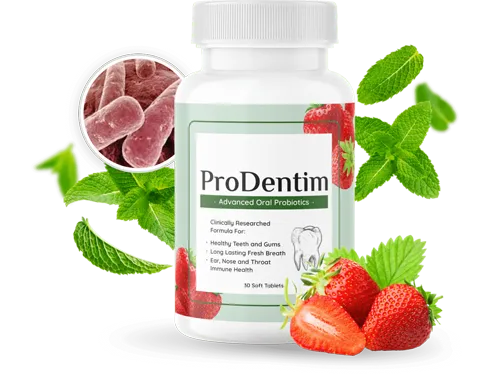 Take control of your health today—Click here to start your own microbiome reset with ProDentim.Yes, I Want This Now!