
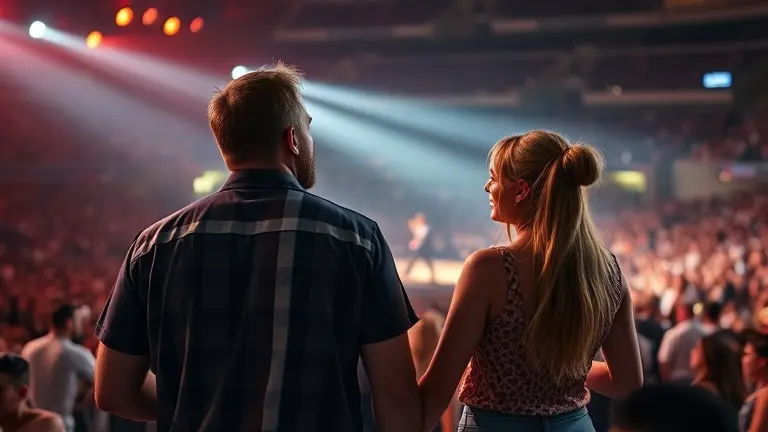
When WNBA sensation Caitlin Clark stepped onto the Lucas Oil Stadium stage to introduce country music superstar Morgan Wallen, the internet didn’t just react—it ignited. In an era where sports and celebrity culture are increasingly becoming a singular, high-stakes spectacle, this crossover serves as a masterclass in modern influencer branding. For millions of fans, this was a harmless, electrifying moment of synergy; for others, it sparked a polarized debate that exposed the friction between historical controversies and the high-octane expectations of today’s fan-driven entertainment landscape.
This event was more than just a photo op; it was a clear window into the changing dynamics of how icons maintain relevance. By leveraging the ‘Caitlin Clark effect,’ Morgan Wallen’s tour demonstrated how cross-pollinating fanbases can amplify reach to unprecedented levels. Yet, as we analyze the intense social media discourse and the raw, protective passion displayed by supporters on both sides, we are forced to confront a deeper psychological question: what is it about these figures that triggers such primal levels of devotion and defense in their audiences?
The Caitlin Clark Effect: When Country Music Met the Court at Lucas Oil Stadium
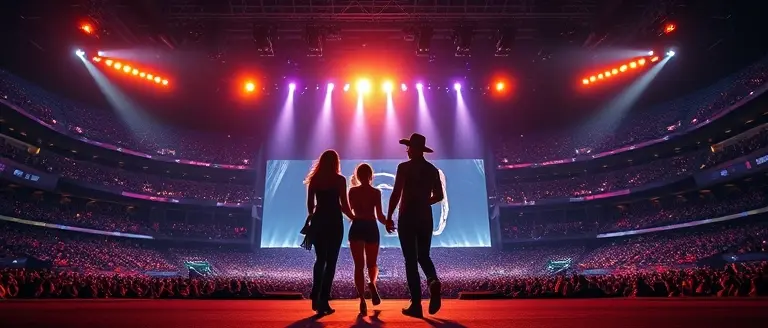
On May 9, 2026, the worlds of professional basketball and country music collided in a moment that quickly defined the modern era of celebrity culture. Shortly after scoring 20 points in a hard-fought 107-104 loss against the Dallas Wings, WNBA sensation Caitlin Clark made a high-profile appearance at Lucas Oil Stadium in Indianapolis. Her role was unmistakable: she walked out Morgan Wallen to the stage, a strategic maneuver that served as the primary catalyst for an immediate, massive social media surge. This intersection of elite athletics and stadium-filling country music entertainment highlighted the growing trend of cross-pollinating fanbases to maximize cultural relevance.
The Dynamics of a Polarizing Public Appearance
The optics of the event were designed to capitalize on the “Caitlin Clark effect,” yet the reaction was far from monolithic. While many fans celebrated the crossover as a harmless and exciting spectacle, it simultaneously ignited significant discourse regarding the choices of high-profile athletes. The backlash was fueled by:
- Historical Context: Existing public sentiment surrounding Morgan Wallen and his past controversies led many observers to criticize Clark for lending her brand to the country singer.
- Athlete Branding: The event underscored the pressure on modern athletes to act as cultural influencers. The decision to appear on stage on the same day as a professional WNBA game prompted questions about the optics of prioritizing celebrity events immediately following a team loss.
- Media Saturation: Major outlets like the NY Post and Yahoo Sports amplified the debate, effectively creating a feedback loop where the sports-entertainment crossover became a topic of national discussion rather than just a local concert highlight.
This incident serves as a clear indicator of how athletes are increasingly leveraged as strategic partners for musical acts. As the lines between professional sports and entertainment continue to blur, the event at Lucas Oil Stadium remains a pivotal case study in the risks and rewards of athlete-driven public relations. Whether viewed as an organic fan moment or a calculated branding move, the appearance cemented the fact that, in 2026, the reach of a superstar like Clark extends far beyond the basketball court.
The Evolution of Athlete Branding: Beyond the Game

The appearance of WNBA sensation Caitlin Clark on stage with Morgan Wallen at Lucas Oil Stadium marks a pivotal shift in the trajectory of modern athlete branding. Historically, athletes relied on traditional corporate endorsements to solidify their marketability. Today, we are witnessing a move toward “cultural participation,” where the goal is no longer just to sell a product, but to embed the athlete into the broader tapestry of pop culture. By engaging with high-profile entertainers, stars like Clark transcend their respective leagues, effectively converting casual fans into personal brand loyalists who follow their off-court lifestyle as closely as their game-day statistics.
The Rise of Lifestyle Integration
This cross-pollination strategy is designed to maximize social visibility in a fragmented media landscape. Athletes are increasingly operating as influencers who must navigate the often-polarized worlds of modern entertainment. This evolution presents both opportunities and risks:
- Audience Expansion: By aligning with a powerhouse artist like Morgan Wallen, an athlete exposes their personal brand to a demographic that may not prioritize basketball, thereby widening their total addressable market.
- Cultural Currency: Participating in viral, “spectacle-driven” moments allows athletes to dominate social media discourse, ensuring they remain part of the daily cultural conversation even during the off-season or following difficult losses.
- The Polarization Tax: As athletes step into the spotlight of major entertainment tours, they inherit the existing controversies surrounding those artists. This forces a new reality where an athlete’s brand is no longer defined solely by their athletic performance, but by the public perception of the companies and personalities they choose to align with.
Ultimately, this trend signals that top-tier athletes are now full-fledged media entities. While the backlash surrounding the Morgan Wallen concert highlights the tension between personal choice and public brand management, it also underscores the immense leverage elite performers now wield. The ability to generate international headlines merely by appearing on a concert stage proves that for the modern athlete, the “game” is now a 24/7 engagement strategy that extends far beyond the hardwood.
Navigating the Backlash: The Price of Cultural Crossover
The appearance of Caitlin Clark alongside Morgan Wallen at his Lucas Oil Stadium concert ignited a firestorm of digital debate, highlighting the precarious nature of modern athlete branding. While the crossover was clearly designed as a high-visibility spectacle, the immediate backlash illustrates the intense scrutiny surrounding today’s sports icons. Fans protective of the WNBA star’s public image were quick to vocalize their disappointment, citing Wallen’s history of public controversies. For many critics, the association felt like a mismatch, leading to intense discourse on social media regarding the responsibilities athletes have when aligning themselves with polarizing figures in the entertainment industry.
The Dynamics of Modern Fan Expectation
The controversy centers on whether professional athletes should be viewed as apolitical entertainment vessels or as moral stewards of their respective sports. Those critical of the collaboration point to the following factors:
- Brand Alignment: Concerns that association with controversial artists can dilute an athlete’s marketability and alienate diverse segments of their fanbase.
- Historical Context: A refusal by some fans to overlook Wallen’s past, viewing his current tour popularity as an insufficient reason for high-profile endorsements.
- The “Athlete-as-Role-Model” Burden: The expectation that stars like Clark, who carry immense cultural weight, must exercise extreme caution in their public engagements.
Conversely, supporters of the crossover argue that sports stars deserve the autonomy to enjoy pop culture without being subjected to a moral litmus test. This perspective frames the event as a harmless intersection of entertainment spheres, suggesting that the “Caitlin Clark effect” is being over-analyzed. Ultimately, this incident serves as a case study in the risks inherent in the celebrity crossover model. As athletes increasingly operate as independent influencers, they are finding that every public move—even a simple walk-on appearance—is subject to the volatile demands of a polarized digital public. Balancing personal freedom with the expectations of a global audience remains one of the most difficult challenges for the modern professional athlete.
Morgan Wallen’s Tour Strategy and the Business of Presence
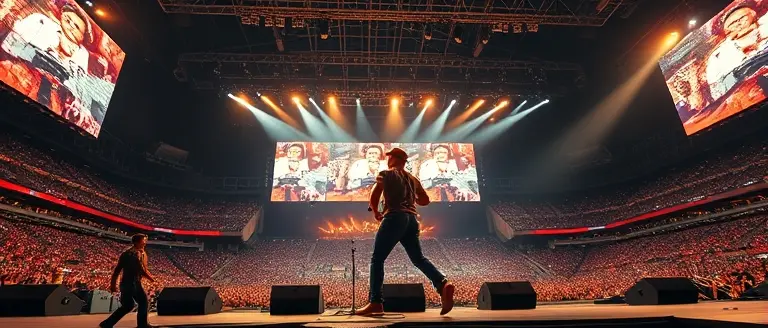
The recent appearance of Caitlin Clark at Morgan Wallen’s concert at Lucas Oil Stadium is more than just a viral moment; it is a masterclass in modern event marketing and the “celebrity spectacle” model. Wallen’s tour strategy has evolved into a powerhouse of cultural cross-pollination, where local sports icons are integrated into the show to bridge the gap between country music fandom and mainstream entertainment. By positioning his tour stops as tentpole events—whether in Indianapolis, Las Vegas, or upcoming dates in Gainesville—Wallen ensures his brand remains the focal point of localized media cycles, effectively transforming each city into a temporary hub for national conversation.
This business of presence relies heavily on the “athlete-as-influencer” dynamic. When major touring artists engage with prominent sports figures, they tap into highly engaged, hyper-local demographics that traditional music marketing often misses. However, this strategy is not without its complexities. The polarized reaction to the Indianapolis event highlights the inherent risks of such high-profile crossovers:
- Audience Alignment: Integrating sports stars can alienate fans who prefer that athletes avoid association with artists involved in past controversies.
- Localized News Loops: From legal incidents at collegiate stadiums to high-energy walkouts, these events generate a constant stream of search interest that keeps the artist’s name at the top of algorithmic trends.
- Brand Synergy: The “Caitlin Clark effect” demonstrates that even high-performing athletes—like Clark, who logged 20 points shortly before her appearance—are now considered essential assets in the broader entertainment industrial complex.
Ultimately, Wallen’s tour functions as a rolling media engine. By leveraging high-traffic sports markets and utilizing celebrity cameos, he successfully maintains a high-intensity news cycle that transcends the music industry, ensuring that his tour is not merely a collection of concerts, but a series of must-watch, highly scrutinized cultural milestones.
The Psychology Behind the Power of Devotion
The convergence of Caitlin Clark and Morgan Wallen on the Indianapolis stage serves as a stark reminder of the modern ‘athlete-as-influencer’ phenomenon. This intersection of worlds isn’t just about entertainment; it reflects the deep, almost biological ways we project our values and desires onto public icons. Whether you view these figures as symbols of cultural pride or points of contention, the intensity of the fan discourse reveals a universal truth: we are hardwired to seek profound emotional connections.
Understanding this intensity is the key to unlocking similar levels of passion in your own life. Just as these icons trigger primal instincts of loyalty and devotion in their followers, you can harness these same psychological drivers to foster deep, lasting commitment in your personal relationships. Our emotional intelligence is the bridge between witnessing a spectacle and mastering the art of influence within our most important connections.
If you have ever wondered why some people seem to naturally command deep devotion while others struggle to connect, the secret lies in the ‘Hero Instinct.’ This framework decodes the subconscious triggers that drive the same intense attachment you see directed at the biggest stars in the world. It is time to move beyond being a spectator of connection and start becoming an active architect of it.
 Discover the ‘Hero Instinct’ that explains why we feel such intense connections to our idols and learn how to trigger that same profound devotion in the people who matter most to you.Unlock My Power of Influence Now!