
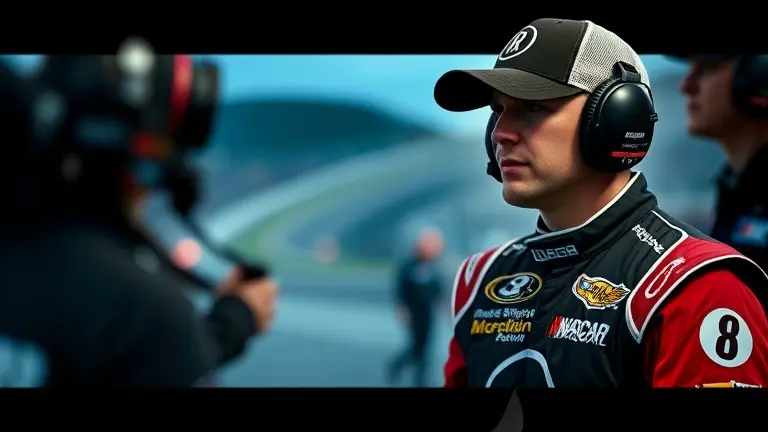
When Kyle Busch radioed for Dr. William Heisel to meet him at his team hauler immediately following the NASCAR Cup Series race at Watkins Glen on May 10, 2026, it sparked immediate speculation among fans and commentators. In the high-stakes world of professional racing, any request for medical intervention mid-race or post-race often triggers alarm, yet the reality behind Busch’s request was far less catastrophic than many feared. Battling a persistent sinus cold throughout the grueling race weekend, the veteran driver was simply seeking relief from the symptoms that threatened to compromise his focus. Despite the physical toll of competing at elite speeds while under the weather, Busch demonstrated remarkable resilience, steering his No. 8 car to an impressive eighth-place finish—his best result of the 2026 season.
This incident serves as a powerful testament to the physical endurance required of NASCAR drivers, where even common illnesses can become significant obstacles in an environment defined by G-forces and intense concentration. Rather than a health emergency, Busch’s situation highlights the often-overlooked challenge of managing respiratory health under extreme conditions. By focusing on his performance rather than the discomfort of his sinus issues, Busch proved why veteran expertise and grit are the cornerstones of success on the track, even when the body is fighting back.
Understanding Kyle Busch’s Medical Request at Watkins Glen

During the NASCAR Cup Series race at Watkins Glen on May 10, 2026, Kyle Busch—the veteran driver of the No. 8 car—made a direct radio request for NASCAR physician Dr. William Heisel to meet him at his team hauler immediately following the event. While such radio communications often trigger immediate speculation regarding a driver’s safety or potential crash-related injuries, evidence confirms that Busch’s request was strictly related to managing a persistent sinus cold that had hindered him throughout the race weekend. By “keying up” his radio to calmly request medical intervention, Busch ensured that he could receive a therapeutic “shot” to mitigate his symptoms without delay, highlighting the proactive approach drivers take to manage health challenges in high-stakes environments.
Contextualizing the Medical Need
It is important to clarify that Kyle Busch requested medical attention after the NASCAR race at Watkins Glen not due to a collision or a sudden health emergency on the track, but rather as a planned recovery step for a known, lingering ailment. Performing under the intense physical and mental strain of a Cup Series race, especially at a technical track like Watkins Glen, requires peak concentration. Busch’s ability to navigate the race while battling illness underscores the significant physical toll NASCAR drivers endure. Key facts regarding the incident include:
- Nature of the Request: The request was for standard medical treatment (a “shot”) for a pre-existing sinus infection.
- Driver Performance: Despite his physical distress, Busch secured his best result of the 2026 season, crossing the finish line in eighth place.
- Proactive Protocol: The incident illustrates the well-established medical support system NASCAR provides to ensure drivers remain capable of performing safely while managing common illnesses.
Rather than a cause for alarm, the incident serves as a testament to the resilience of veteran drivers. Busch’s focus remained on his race strategy, proving that he could maintain elite performance levels despite being hampered by significant physical discomfort. This event highlights the standard operating procedures currently in place for managing athlete health throughout a rigorous, multi-month racing schedule.
Performance Under Pressure: A Season-Best Finish
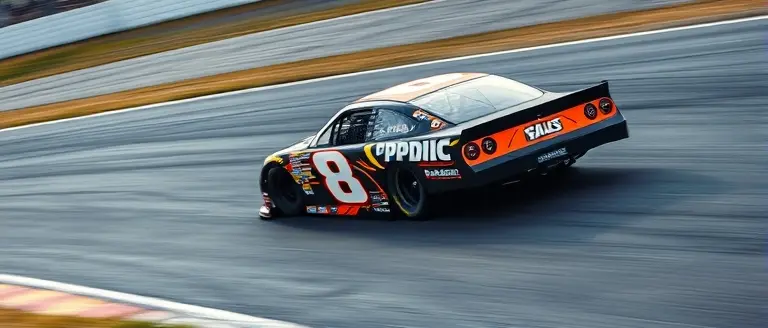
Despite the physical exhaustion brought on by a persistent sinus cold, Kyle Busch delivered a masterclass in focus and endurance during the NASCAR Cup Series race at Watkins Glen. While fans were initially concerned when the veteran driver requested medical attention after the NASCAR race at Watkins Glen, the situation underscored a narrative of professional resilience rather than a sudden emergency. Busch, piloting the No. 8 car, managed to navigate one of the most technical road courses on the circuit while battling significant physiological distress. Securing an eighth-place finish—his best result of the 2026 season—serves as a testament to his elite level of preparation and veteran composure.
The ability to maintain consistent lap times while managing illness is a hallmark of a champion, especially in the high-stakes environment of NASCAR. Busch’s decision to request Dr. William Heisel directly to the team hauler was a proactive, calculated move to address his symptoms immediately upon exiting the vehicle, ensuring his recovery would be swift. This level of dedication highlights the intense physical toll that modern stock car racing demands, particularly when drivers are forced to compete at peak intensity while physically compromised.
Key factors contributing to this remarkable performance include:
- Mental Toughness: Maintaining elite-level concentration on the winding Watkins Glen course despite sinus-related discomfort and physical drain.
- Proactive Health Management: By requesting professional medical intervention immediately after the checkered flag, Busch showcased his commitment to both his immediate health and his ongoing 2026 campaign.
- Consistency: Securing a top-ten finish amidst personal adversity demonstrates that the No. 8 team is finding the necessary rhythm to compete at the front of the field, regardless of external circumstances.
This performance reinforces the notion that even in the face of physical setbacks, seasoned professionals can adapt to extreme conditions. By prioritizing his health immediately following the race, Busch proved that longevity in the sport is as much about managing one’s body as it is about racing the track.
The Reality of Driver Health and Racing Demands
When fans heard that Kyle Busch requested medical attention after NASCAR race at Watkins Glen, the initial reaction across social media was one of alarm. However, clarifying the context is essential to understanding the grueling environment of professional stock car racing. Busch’s request for Dr. William Heisel was not a response to a catastrophic injury or a crash, but a calculated decision to manage a persistent sinus cold that had plagued him throughout the week. In the context of modern sports, this incident serves as a primary example of professional endurance rather than a medical emergency.
The Physical Toll of Cup Series Competition
Driving a NASCAR Cup Series vehicle is an immense physical task that demands peak physiological output. Cockpit temperatures frequently exceed 120 degrees Fahrenheit, and drivers must withstand significant G-forces for hours. When a driver is already battling an illness, these extreme conditions turn a routine event into a test of mental fortitude. Factors that exacerbate driver distress during competition include:
- Dehydration and Heat Stress: The confined space of the cockpit limits cooling, making it difficult for the body to regulate temperature while fighting infection.
- Intense G-Forces: Maneuvering through technical circuits like Watkins Glen requires extreme focus and core strength, both of which are compromised by fatigue and congestion.
- Cognitive Load: High-stakes racing requires split-second decision-making, which becomes exponentially more difficult when a driver is physically compromised.
By securing an eighth-place finish—his best result of the 2026 season—Busch demonstrated the elite level of resilience required to compete at this level. Rather than viewing the request for a “shot” as a sign of weakness, it should be categorized as a strategic recovery move. Professional athletes in all disciplines regularly manage manageable health setbacks to remain competitive, and Busch’s ability to maintain focus while ill highlights the standard of dedication expected in the top tiers of motorsport.
Historical Context: NASCAR Drivers Competing While Ill
The incident where Kyle Busch requested medical attention after NASCAR race at Watkins Glen serves as a stark reminder of the grueling physical standards required to compete at the sport’s highest level. While the headlines regarding his need for a sinus-related treatment might have caused temporary alarm, the history of NASCAR is paved with legendary drivers pushing through severe physical distress. Competing while ill, dehydrated, or even injured is a storied tradition that underscores the immense mental and physical fortitude inherent in the garage.
Throughout the decades, several high-profile instances have highlighted this resilience:
- Joe Nemechek (2003): Displaying incredible grit, Nemechek managed to secure a victory at Kansas Speedway while suffering from a broken shoulder blade and ribs sustained in a crash just weeks prior.
- Dale Earnhardt Jr. (2012): Known for his openness regarding physical well-being, Earnhardt famously battled concussion-like symptoms during the heat of the playoffs, demonstrating the intense pressure drivers face to stay behind the wheel regardless of internal health struggles.
- Ricky Rudd (1991): Perhaps the most famous example of “toughing it out,” Rudd taped his eyes open to combat vision impairment during the road course race at Sonoma, illustrating the lengths to which drivers will go to maintain competitiveness.
These scenarios contrast sharply with modern medical protocols, which have become significantly more rigorous regarding driver safety. While historical figures often masked their ailments to avoid being sidelined, modern drivers like Busch leverage the presence of NASCAR physician Dr. William Heisel to manage known issues effectively. The ability to perform at a high level—as evidenced by Busch’s season-best eighth-place finish—despite lingering illness demonstrates that the “iron man” spirit of the sport remains alive and well, even as the focus shifts toward proactive, professional medical oversight.
Fortifying Your Resilience Beyond the Track
Kyle Busch’s ability to secure a top-ten finish while battling a sinus cold reminds us that physical setbacks don’t have to dictate our results—but they certainly don’t make the journey any easier. Just as elite athletes require peak respiratory function to maintain focus during high-pressure moments, we all rely on our internal defenses to stay productive in our own daily races. Managing persistent congestion and respiratory inflammation is a universal challenge that can drain energy and hinder performance long before we ever reach the finish line of our goals.
While professional drivers have access to elite medical teams, the most effective approach to respiratory wellness is often proactive maintenance rather than reactive treatment. This is where ProDentim changes the game. As the only supplement specifically focused on supporting the oral and sinus microbiome, ProDentim offers a unique bridge to better health, helping to fortify your upper respiratory system against the exact kind of inflammation that forced Busch to seek help. By restoring your natural defenses, you can maintain clarity and vitality, keeping you in the race of your daily life without being sidelined by seasonal congestion.
Investing in your respiratory health today is the best insurance against the disruptions that strike when you least expect them. Don’t wait for a ‘medical request’ to prioritize your well-being; give your body the support it needs to perform at its peak, every single day.
 Support your respiratory health and sinus wellness by exploring how ProDentim’s probiotic formula works to restore your natural defenses.Transform My Life Today