
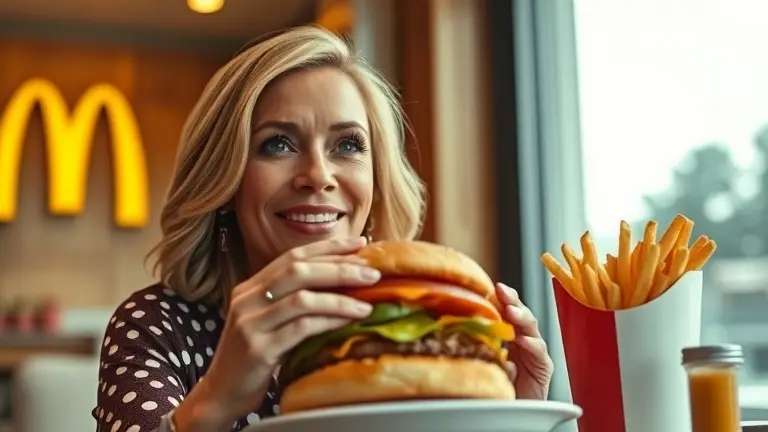
When the cameras stopped rolling on Live with Kelly and Mark this past Mother’s Day, there were no white-tablecloth reservations or curated fine-dining menus for Kelly Ripa. Instead, the television icon traded the high-profile glitz for a classic, unmistakable American comfort: a Big Mac and large fries. Driven by a spontaneous suggestion from her son, Joaquin, Ripa’s decision to celebrate her day with fast food quickly became a cultural touchpoint, sparking conversations far beyond the entertainment desk. It turns out, even for those who seemingly have it all, the most coveted luxury isn’t exclusivity—it’s the permission to be human.
This candid reveal highlights a growing trend among the affluent: the rise of the ‘casual holiday.’ As we move away from the pressure of curated, picture-perfect celebrations, we are witnessing a shift toward comfort and relatability. Yet, this humanization of celebrity diets raises a practical question for the rest of us. How do we embrace those ‘cheat meal’ moments—the ones that keep us feeling connected and grounded—without falling victim to the inevitable energy crashes that follow high-carb, processed indulgences?
The McDonald’s Mother’s Day Moment: Why Kelly Ripa’s Choice Went Viral
On the May 11, 2026, episode of Live with Kelly and Mark, Kelly Ripa sparked a national conversation about holiday traditions by revealing an unexpected turn of events for her Mother’s Day celebration. Moving away from the high-pressure expectations of upscale dining, Ripa shared that her family’s evening meal was dictated by a spontaneous craving. The decision to order McDonald’s for Mother’s Day was largely spearheaded by her son, Joaquin Consuelos, who suggested the fast-food feast as a departure from the routine. Ripa, who admitted she hadn’t indulged in the chain’s menu in “years and years,” leaned into the decision with palpable enthusiasm.
The Anatomy of the Viral Craving
The reason this specific anecdote resonated so deeply with audiences is rooted in the juxtaposition of celebrity lifestyle and common comfort food. Ripa explicitly noted her order—a classic Big Mac paired with a large order of fries—which stood in stark contrast to the curated, organic wellness imagery often associated with high-profile television personalities. Her willingness to share this “unfiltered” moment provided a sense of relatability that hit home for many viewers who also prioritize convenience over formality during family holidays.
Several factors contributed to the rapid social media reaction surrounding this story:
- The “Anti-Luxury” Trend: A growing public desire to see celebrities engage in “normal” behaviors, moving away from perfectly staged holiday aesthetic posts.
- Joaquin’s Influence: The role of the next generation in challenging parental traditions, highlighting the dynamic between the Live host and her children.
- The Nostalgia Factor: McDonald’s holds a unique place in the American cultural psyche, and seeing a celebrity lean into that specific nostalgia for a high-profile holiday humanizes the star.
Ultimately, this Kelly Ripa McDonald’s Mother’s Day moment serves as a fascinating example of how organic, unscripted celebrity transparency can dominate the digital conversation. By embracing the simple, fast-food dinner, Ripa effectively shifted the narrative from “perfect celebrity holiday” to an honest, human experience that millions of viewers found refreshing.
The Rise of Casual Holiday Traditions
The recent Kelly Ripa McDonald’s Mother’s Day moment serves as a fascinating lens through which to view a broader cultural shift: the move away from the performative pressure of “perfect” holiday experiences. For years, affluent families and celebrities alike have been subject to the unspoken expectation of curated, high-end dining experiences for major holidays. However, as public figures embrace more spontaneous, low-stakes choices, it signals a growing desire for authentic family comfort over the rigid traditionalism that has long defined Mother’s Day celebrations.
Why Casual Is the New Luxury
The shift toward casual traditions is not merely about convenience; it represents a psychological move toward prioritizing mental health and genuine connection. By opting for a Big Mac and fries instead of a white-tablecloth restaurant, Ripa and her family highlighted that the value of a holiday lies in the company kept, not the menu selected. This trend of “humanizing” celebrity diets is gaining traction because it bridges the gap between the ultra-wealthy and the average consumer, creating a shared sense of relatability.
Several factors are fueling this transition toward casual holiday habits:
- Rejection of Performative Perfection: Social media has historically pressured families to document idealized versions of their lives; choosing fast food acts as a rebellion against these unrealistic standards.
- The Convenience Premium: Modern families are increasingly valuing time-saving solutions that allow for more interaction and less kitchen labor during holidays.
- De-stigmatization of Comfort Food: There is a growing cultural acknowledgment that indulgence—even when it involves fast food—is a valid component of celebrating special occasions without the need for strict adherence to wellness routines.
Ultimately, the embrace of a McDonald’s meal for a high-profile holiday underscores that consumers are moving toward a “values-first” approach. Whether or not this becomes a lasting trend, it confirms that the definition of a “special” day is rapidly evolving, moving away from high-pressure expectations toward a model that prizes genuine family ease and comfort.
The Humanization of Celebrity Diets in Pop Culture
The viral moment surrounding Kelly Ripa’s McDonald’s Mother’s Day dinner serves as a primary example of how pop culture icons are actively dismantling the “perfect celebrity” facade. For decades, audiences were conditioned to associate high-profile figures with strictly curated, high-end, or wellness-focused diets. However, when a star of Ripa’s caliber publicly opts for a Big Mac and large fries during a milestone holiday, it creates an immediate sense of intimacy. This shift toward the “humanization of celebrity diets” suggests that fans are no longer seeking aspirational perfection; instead, they are looking for evidence that their favorite stars share the same cravings and comfort-seeking behaviors as the general public.
Why Relatability Drives Engagement
Social media platforms like TikTok and Instagram have fundamentally changed how we consume celebrity news. These platforms favor raw, unscripted moments over staged red-carpet appearances. When a celebrity shares a candid admission about choosing fast food over a luxury restaurant, it functions as a “bridge” moment that minimizes the perceived distance between the wealthy elite and their audience. This trend highlights several key shifts in modern celebrity branding:
- Authenticity Over Aspirations: Fans now prioritize organic, relatable habits over performative health routines.
- The Comfort Holiday Trend: Families, regardless of net worth, are increasingly viewing holidays as opportunities for low-stress, “casual” dining rather than traditional, curated experiences.
- Destigmatizing Fast Food: High-profile endorsements—whether intentional or organic—help strip away the stigma of occasionally indulging in fast-casual chains.
This cultural shift reveals that celebrities who embrace the mundane aspects of life, such as a spontaneous drive-thru run, often see an increase in favorability. Ultimately, the Kelly Ripa McDonald’s incident reinforces the idea that even the most scrutinized public figures find solace in the same “comfort” foods that the average American turns to after a long week. By opting for a familiar, accessible meal, Ripa tapped into a collective desire for normalcy, proving that relatability is perhaps the most valuable currency in modern entertainment.
Why Fast Food Moments Are the New ‘Water Cooler’ Conversation

The viral reaction to the Kelly Ripa McDonald’s Mother’s Day dinner serves as a perfect case study for the modern digital landscape. In an era saturated with curated, highly polished social media feeds, “flash-in-the-pan” moments involving high-profile celebrities performing mundane, relatable acts act as a reset button for public discourse. When Ripa shared that her family chose a simple fast-food meal for a holiday traditionally defined by upscale dining, the internet responded with a mix of surprise and relief. This shift from “aspiration” to “relatability” has turned such pop culture touchpoints into the new virtual water cooler, where audiences connect over shared, human experiences rather than admiring untouchable lifestyles.
Modern digital readers prioritize fast-paced, high-engagement content that offers immediate commentary on trending topics. As traditional news cycles accelerate, audiences are increasingly turning away from long-form investigative journalism for these lighter, human-interest stories. This preference for “snackable” content is why platforms like TikTok and Instagram have become primary hubs for cultural analysis. The effectiveness of this trend relies on several key factors:
- Instant Relatability: The dissonance between a celebrity’s perceived high-end life and their choice to eat at a fast-food chain bridges the gap between the famous and the fan.
- Low-Stakes Debate: These stories provide a safe space for audience interaction, fueling comments sections and social shares without the intensity of political or divisive subject matter.
- The Humanization Factor: Seeing icons like Ripa engage in common culinary habits helps humanize public figures, making them appear more authentic and “real” to their viewership.
Ultimately, the brief lifespan of such stories underscores the changing nature of relevance. By focusing on casual holiday traditions and the humanization of celebrity diets, digital creators can capture the attention of a fast-moving audience before the topic shifts. While this specific moment may fade within 72 hours, it highlights a permanent transition toward content that values personal connection over prestige.
Mastering the Art of Balanced Indulgence
Kelly Ripa’s McDonald’s run reminds us that life is meant to be lived, not just managed through strict dietary perfectionism. While it’s refreshing to see a celebrity embrace a ‘real-world’ craving, the challenge for many of us remains the metabolic aftermath. We often avoid our favorite comfort foods out of fear of the dreaded afternoon slump, brain fog, and the energy roller coaster that follows a heavy meal. But what if you didn’t have to choose between enjoying your life and maintaining your health?
This is where finding a balance becomes essential. By viewing your metabolic health as a strategic asset rather than a restrictive cage, you can enjoy these rare, spontaneous indulgences without the typical energy consequences. Think of it as metabolic insurance for your lifestyle, ensuring that a simple meal out doesn’t derail your entire week of productivity.
Sugar Defender is designed to bridge this exact gap, helping to stabilize your glucose levels and eliminate the energy spikes and crashes that often come with fast food. It is the perfect tool for anyone who refuses to sacrifice their favorite treats but demands consistent, sustained energy to keep up with a busy life. Don’t let your diet dictate your joy; empower your body to handle the occasional indulgence with ease.
 See how you can maintain consistent energy levels while enjoying your favorite comfort foods by trying Sugar Defender today.Transform My Energy Today!