

As of October 2026, the headlines are filled with urgent food safety news, specifically regarding outbreaks and recalls of deli meats linked to Listeria monocytogenes. From Illinois to coastal states, the U.S. Department of Agriculture’s Food Safety and Inspection Service (FSIS) has issued critical public health alerts. For many households, these reports trigger a wave of uncertainty: Is the food in my refrigerator safe? How do I identify a contaminated product before it reaches my family’s dinner table?
While news outlets excel at broadcasting the ‘what’ and ‘where’ of these outbreaks, they often leave homeowners without a clear roadmap for home defense. The reality is that Listeria is a resilient pathogen that can persist in damp, hidden corners of your kitchen environment. Understanding the difference between a standard safety tip and an active recall protocol is your first line of defense, but true kitchen security requires more than just a surface wipe—it demands a structural approach to hygiene that leaves bacteria nowhere to hide.
Understanding the Current Listeria Outbreak: What You Need to Know

As of October 2026, the latest food safety news centers on a critical investigation into Listeria monocytogenes contamination linked to deli meat products, specifically headcheese. The U.S. Department of Agriculture’s Food Safety and Inspection Service (FSIS) has issued urgent public health alerts due to confirmed illnesses identified in states such as Illinois. This outbreak has drawn significant attention from health authorities, as Listeria remains a persistent and dangerous pathogen capable of surviving and growing even in refrigerated environments, making processed deli meats a high-risk vector if sanitation protocols fail at the manufacturing level.
The current situation is underscored by broader industry concerns regarding structural sanitation lapses that have been reported throughout 2025 and 2026. Experts tracking these developments emphasize that when equipment in food processing facilities is not adequately cleaned or maintained, the risk of bacterial colonization increases significantly.
Key Facts Regarding the FSIS Public Health Alerts
Understanding the current risk requires distinguishing between the severity of the bacteria and the official government actions taken to mitigate it. To protect your household, keep the following context in mind:
- Active Investigation: The FSIS, in coordination with public health partners, is actively investigating the link between these specific deli products and reported illnesses.
- Persistent Pathogen: Unlike many other foodborne bacteria, Listeria monocytogenes can grow at cold temperatures. This is why thorough refrigeration is not a substitute for proper food safety handling.
- Sanitation Context: Recent reports reflect a growing trend of industry-wide scrutiny. The focus is on preventing cross-contamination at the retail and production levels, which is a primary concern for regulatory agencies during this investigation.
Consumers are encouraged to monitor the FSIS website for the most recent updates, as product lists and affected states may change as the investigation evolves. By staying informed through official channels, you can better navigate the complexities of this ongoing health alert.
Recall vs. Public Health Alert: Deciphering Food Safety Language
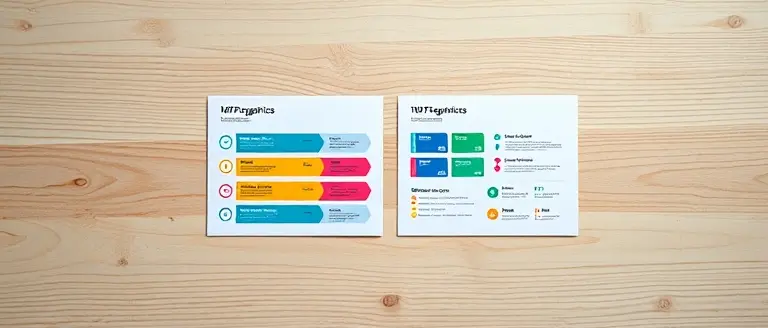
When navigating the latest food safety news, consumers often encounter two distinct terms used by the USDA’s Food Safety and Inspection Service (FSIS): a “Recall” and a “Public Health Alert.” While both designations signal a potential risk to the public, such as listeria contamination in deli meats, they differ significantly in their regulatory origin and the actionable steps required of the consumer. Understanding this distinction is vital for maintaining kitchen safety and preventing foodborne illness.
The Mechanism of a Recall
A recall is a voluntary action taken by a manufacturing firm to remove products from the marketplace when those items are deemed adulterated or misbranded. When a company issues a recall, they work closely with the FSIS to identify the specific lot numbers, production dates, and retail distribution lists. Because a distribution list is available, the agency can pinpoint exactly which grocery stores and geographic regions are affected. If you see a recall notice, you are generally able to verify if your specific product is at risk by checking the label against the official list provided on the FSIS website.
Understanding Public Health Alerts
Conversely, a Public Health Alert is issued by the FSIS when the agency determines there is a health risk, but a specific retail distribution list is unavailable to the public. This often occurs when the product has already been sold to institutions or distributed through channels that make tracking individual packages nearly impossible. In these scenarios, the FSIS issues a broad alert to warn the public about the risk—such as the recent alerts regarding headcheese—because they cannot provide a precise list of affected stores.
Essentially, if a recall is a targeted surgical strike to remove specific inventory, a public health alert is a broad, urgent broadcast intended to keep people safe when tracking is incomplete. Regardless of the label, both indicate a serious safety concern. If you suspect you have a product mentioned in a food safety news alert, the most reliable course of action is to discard the item immediately rather than attempting to return it or determine its safety status through trial and error. Always prioritize the caution recommended by federal regulators to mitigate the risks associated with persistent pathogens like listeria.
Checklist: Immediate Steps If You Have Recalled Deli Products
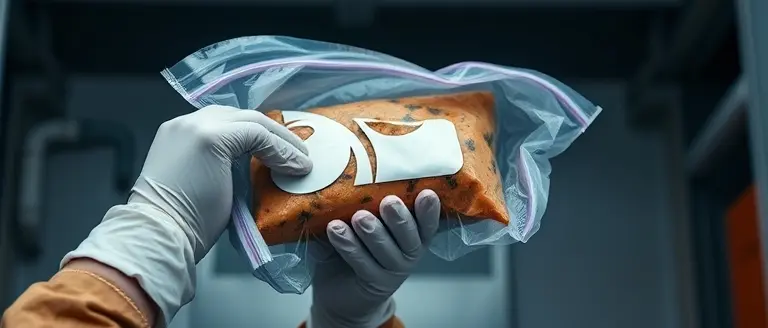
When the latest food safety news alerts consumers to potential Listeria monocytogenes contamination in deli meats like headcheese, taking immediate, systematic action is critical to preventing illness. Unlike many other bacteria, Listeria is notably hardy and can survive—and even thrive—at cold refrigerator temperatures. If you discover that a product in your home is subject to an active FSIS public health alert or recall, do not attempt to cook or repurpose the meat, as the risk of cross-contamination in your kitchen environment is simply too high.
Action Plan for Contaminated Products
Follow this protocol immediately if you suspect you have purchased affected deli items:
- Verify Identifiers: Carefully inspect the packaging for specific lot codes, establishment numbers (e.g., “EST. 1234”), and “use-by” dates listed on the official USDA/FSIS recall notice. Do not rely solely on the brand name.
- Isolate and Dispose: Place the suspected meat in a sealed plastic bag. Dispose of it in an outdoor trash receptacle to prevent pets or other family members from accessing it.
- Prevent Cross-Contamination: Remove any other food items that came into direct contact with the deli meat. If the packaging of other items was touched by the contaminated product, sanitize those containers thoroughly.
- Deep Clean Surfaces: Listeria is persistent. Remove all shelving and drawers from the refrigerator. Wash them with hot, soapy water, then sanitize using a solution of one tablespoon of liquid chlorine bleach per gallon of water. Wipe down the interior walls of the refrigerator, ensuring you reach the crevices where deli meat liquids may have pooled.
- Monitor Temperature: Ensure your refrigerator is set to 40°F (4°C) or lower. While this does not kill Listeria, it is a necessary standard for slowing bacterial growth in other stored foods.
If you believe you have consumed a product linked to an active Listeria outbreak, monitor your health closely for symptoms such as fever, muscle aches, and gastrointestinal distress. Contact your healthcare provider immediately if symptoms develop, particularly if you are in a high-risk group such as pregnant individuals, the elderly, or those with immunocompromised systems. Keeping your kitchen environment clean and following official FSIS protocols remains the most effective defense against the risks posed by contaminated food supply chains.
Expert Sanitization: Eliminating Persistent Listeria from Your Kitchen

Listeria monocytogenes is a uniquely resilient pathogen, capable of surviving and multiplying in cold, damp environments like your refrigerator. As recent food safety news underscores the risk of listeria contamination in processed deli meats, homeowners must move beyond basic surface wiping. Effective decontamination requires targeting “niche” areas where bacteria form biofilms—protective layers that shield germs from standard cleaning agents. To properly sanitize your kitchen after a potential exposure, you must focus on refrigerator seals, drawers, and deli meat preparation areas.
Essential Steps for Deep Sanitization
To eliminate persistent bacteria, follow these evidence-based protocols:
- Target the Cold Zones: Remove all food from your refrigerator. Thoroughly clean the interior walls, shelves, and especially the rubber door gaskets (seals) using a solution of one tablespoon of unscented liquid chlorine bleach per gallon of water.
- Prioritize Dwell Time: Most disinfectants fail because they are wiped away too quickly. After applying a food-safe sanitizer, allow the solution to sit on the surface for at least three to five minutes before wiping. This “dwell time” is non-negotiable for destroying bacterial biofilms.
- Sanitize Equipment: If you utilize a home deli slicer or plastic cutting boards, disassemble all removable parts. Soak non-porous parts in a sanitizing solution, then air-dry completely. Avoid using wooden cutting boards if they have deep grooves, as these can harbor moisture and bacteria that are nearly impossible to fully disinfect.
- Prevent Cross-Contamination: Use dedicated color-coded cloths for high-risk zones to ensure you are not moving potential contaminants from the refrigerator or sink to food-prep surfaces.
Following these rigorous protocols is critical when FSIS alerts highlight potential outbreaks. By understanding that listeria thrives in neglected, moisture-prone crevices, you can transform your kitchen into a safer environment and reduce the long-term risk of foodborne illness in your household.
Building a Fortress of Kitchen Hygiene
Staying informed on food safety news is vital, but reacting to individual recalls is only a temporary fix. True safety requires a structural transformation of your kitchen environment. Many standard storage areas are prone to moisture and tight, porous crevices—the exact conditions where bacteria like Listeria thrive and become nearly impossible to fully eradicate with standard cleaning products.
This is where your kitchen’s infrastructure becomes your greatest asset. By upgrading your storage systems and pantry organization to be seamless, non-porous, and easy to sanitize, you shift from passive observation to active prevention. Ted’s Woodworking provides the professional-grade blueprints needed to build custom, hygiene-optimized storage solutions that transform your kitchen into a professional-grade, bacteria-resistant environment.
Don’t wait for the next recall to force your hand. By integrating structural changes into your home today, you ensure that your food storage is built to the highest safety standards, effectively eliminating the blind spots where contamination lingers. Take control of your home environment and build for long-term health.
 Download these verified professional blueprints today to rebuild your kitchen storage for maximum hygiene and safety.Yes, I Want to Secure My Kitchen Now!