
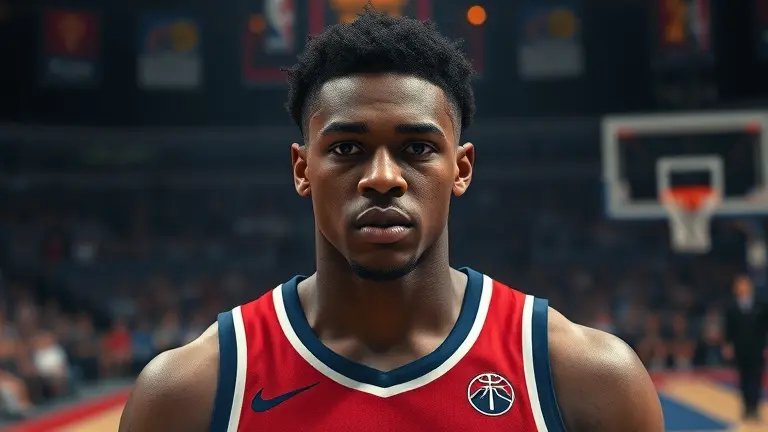
The seismic shift in the league landscape arrived in Chicago on May 11, 2026, as the NBA Draft Lottery officially reset the future of several franchises. For the Washington Wizards, the night was nothing short of transformational, as they secured the coveted No. 1 overall pick. This is no longer a world of theoretical mock drafts; the reality of the 2026 board has arrived, shifting the focus from general speculation to the high-stakes evaluation of generational talents like AJ Dybantsa and Darryn Peterson.
As the front office in D.C. begins the grueling process of vetting candidates, the conversation has moved beyond simple rankings. It is now a ‘fit-first’ chess match. Does Dybantsa’s offensive versatility provide the immediate identity shift the Wizards crave, or does the defensive upside of a prospect like Peterson offer a more sustainable long-term foundation? With the 2026 NBA mock draft landscape now finalized, analysts and fans alike are diving deep into the data, knowing that every choice made in these coming weeks will ripple through the league for years to come.
The 2026 NBA Draft Lottery Results: Washington Wizards Take the Top Spot
The 2026 NBA Draft Lottery, held in Chicago on May 10, 2026, served as a seismic event that fundamentally altered the trajectory of several franchises. In a result that stunned the league, the Washington Wizards defied the odds to secure the No. 1 overall pick. This outcome marks a defining moment for the organization, transitioning months of speculative 2026 NBA mock draft content into a concrete, actionable roadmap for a comprehensive roster rebuild. By claiming the top slot, the Wizards are now in the driver’s seat to dictate the narrative of the upcoming selection process, shifting the pressure from the front office to the draft board.
Turning Speculation into Reality
The fallout from the lottery has forced experts and fans alike to pivot from general prospect rankings to specific team-fit analysis. With the nba draft order now officially set, the conversation has intensified regarding how the top talent in the class can revitalize Washington’s core. The primary debate centers on the elite tier of prospects, most notably:
- AJ Dybantsa: Long considered the consensus favorite for the top spot due to his high-level offensive versatility and immediate impact potential.
- Darryn Peterson: An explosive guard whose stock has risen significantly, making him a primary contender for the Wizards if they opt for a perimeter-focused rebuild strategy.
- Secondary Prospects: Emerging talents like Cameron Boozer and Caleb Wilson are now being re-evaluated as teams analyze how their specific skill sets align with the reshuffled draft positions.
For the Washington Wizards, this pick is more than just a selection; it is a catalyst for cultural change. The franchise faces the high-stakes dilemma of choosing between a generational wing scorer or a playmaking guard. As the June 23-24 draft date approaches, scouts are placing even greater emphasis on the NBA Draft Combine, where the physical profiles and interview performances of stars like Darryn Peterson will be scrutinized to determine if they possess the intangible “fit” required to lead a franchise out of the lottery and back into contention. The definitive order established in Chicago has ended the guessing game, officially igniting the countdown to the most critical draft night in recent team history.
Fit-First Analysis: How Dybantsa and Peterson Reshape the Wizards

Following the outcome of the NBA draft lottery, the Washington Wizards find themselves in a transformative position. Securing the No. 1 overall pick provides the franchise with a clear pathway to redefine their core identity. The current 2026 NBA mock draft discourse centers on a tactical divergence between two elite prospects: AJ Dybantsa and Darryn Peterson. Both players offer distinct skill sets that would fundamentally alter Washington’s long-term rebuild strategy.
Evaluating the Offensive Versatility of AJ Dybantsa
AJ Dybantsa is widely viewed as the premier scoring engine in this class. His arrival in Washington would immediately overhaul the team’s offensive ceiling by providing a primary isolation creator capable of scoring at all three levels. His high-usage playstyle would address the Wizards’ desperate need for a reliable go-to scorer who can collapse defenses and create gravity for teammates. Incorporating Dybantsa into the rotation allows the coaching staff to implement a modern, pace-and-space system designed to maximize perimeter spacing and transition efficiency.
Darryn Peterson: Defensive Identity and Playmaking
In contrast, Darryn Peterson offers a blueprint built on defensive tenacity and secondary playmaking. For a team seeking to build a culture of accountability, Peterson’s ability to defend multiple positions and initiate the offense serves as a stabilizer. His fit within the Wizards roster focuses on:
- Point-of-attack defense: Setting the tone for a team that has historically struggled to contain elite guards.
- Transition playmaking: Utilizing his vision to turn defensive stops into efficient fast-break opportunities.
- Positional versatility: Providing the flexibility to toggle between guard and wing roles, which allows for diverse lineup combinations.
Ultimately, the choice between these two prospects determines whether the organization prioritizes explosive offensive production or a defensive-first culture. As the nba draft order moves toward the June selection dates, the “why” behind the Wizards’ decision will depend on whether they view their primary void as a lack of elite shot-creation or a deficiency in perimeter toughness and organizational identity.
Beyond the Top Two: Scouting Sleepers and Hidden Value
While the 2026 NBA mock draft landscape is currently dominated by the high-stakes debate between AJ Dybantsa and Darryn Peterson, the remainder of the nba draft order presents profound opportunities for teams looking to bolster their long-term viability. Beyond the initial selections, scouts are pivoting toward prospects whose measurable attributes and collegiate production suggest significant untapped upside. Specifically, players like Caleb Wilson have begun to command attention, offering a blend of positional versatility and defensive tenacity that modern franchises prioritize. As the official draft approaches, expect these prospects to see their stock rise during the Draft Combine, where physical testing often confirms the “sleeper” potential witnessed in international and high-school tape.
Identifying Value and Positional Fit
Teams currently sitting in the middle and back end of the lottery—including those looking to rebound after the nba nba draft lottery—must balance immediate roster voids with long-term salary cap flexibility. Identifying talent outside the elite tier requires a disciplined approach to scouting:
- Caleb Wilson’s Versatility: His ability to switch onto perimeter guards while maintaining interior defensive integrity makes him a high-ceiling asset for teams desperate for frontcourt evolution.
- Cap-Conscious Rebuilding: Organizations with restricted cap space, such as those looking to maximize their mid-first-round selections, are increasingly favoring high-floor prospects who contribute immediately on rookie-scale contracts.
- The Combine Factor: Athletic testing and medical evaluations in Chicago will be the ultimate litmus test for prospects looking to disrupt the established hierarchy. Teams are looking for data-backed indicators of growth, especially for players moving into a professional development program.
Strategic analysis of the current nba draft order indicates that teams with multiple assets, such as the Utah Jazz or Memphis Grizzlies, may look to package picks if a desired “sleeper” prospect shows enough volatility in pre-draft workouts. Evaluating these secondary talents is not merely about finding depth; it is about identifying cornerstone pieces that align with the rigorous tactical requirements of today’s league. As the draft nears, the focus must shift toward these high-ceiling contributors who often dictate the long-term success of a multi-year rebuild.
Bridging the Gap: The NBA Draft Combine and Final Preparations
With the official nba draft order now set following the high-stakes nba nba draft lottery in Chicago, the focus for organizations like the Washington Wizards shifts from pure probability to granular talent assessment. While the lottery results provide the structural roadmap, the upcoming NBA Draft Combine serves as the ultimate proving ground where front offices will refine their draft boards. For elite prospects like Darryn Peterson and AJ Dybantsa, the Combine is more than just a showcase; it is a critical opportunity to cement their standing against the backdrop of team-specific needs and medical vetting.
The Role of Data in Refining Draft Boards
The transition from speculative 2026 nba mock draft projections to final decision-making relies heavily on the physical and psychological data gathered in the weeks leading up to the draft. Front offices will prioritize several key evaluation metrics during the Combine:
- Physical Measurements: Standardized data regarding wingspan, standing reach, and body fat percentage can significantly shift a player’s perceived ceiling.
- Medical Evaluations: Teams conduct rigorous physicals to identify long-term durability concerns, which can cause prospects to slide in the nba draft order.
- Front Office Interviews: For a team like the wizards, understanding a prospect’s basketball IQ and personality fit within a locker room during a rebuilding phase is as vital as on-court production.
- High-Intensity Scrimmages: These allow scouts to observe how prospects adapt to NBA-caliber spacing and defensive intensity against their peers.
As the June 23-24, 2026, draft night approaches, teams are engaged in a complex puzzle of roster construction. The lottery was merely the first phase; the subsequent weeks will determine how the rest of the league, including teams like the Utah Jazz and Memphis Grizzlies, leverage their positions to maximize their long-term rebuild strategies. By bridging the gap between May’s lottery results and the final selection process, the Combine ensures that the most impactful decisions are backed by the most comprehensive data possible.
Sharpen Your Scouting Edge
The transition from the draft lottery results to the podium on draft night is a marathon of data analysis, film study, and strategic forecasting. As you navigate the complexities of team needs, salary cap implications, and the unique developmental ceilings of prospects like Dybantsa and Peterson, your cognitive load is immense. Deep-scouting the 2026 class requires intense focus and the ability to process massive amounts of player data; for those who find their mental clarity waning during long nights of film study and data review, there is a proven way to sharpen your cognitive edge.
This is where ‘The Brain Song’ becomes your ultimate scout’s advantage. Designed to combat the mental fatigue that plagues even the most dedicated analysts, this tool provides the auditory clarity needed to maintain peak performance while dissecting secondary narratives, such as the rise of Caleb Wilson. By integrating this 12-minute daily routine into your research process, you gain the focus required to process complex sports data more effectively, ensuring your analysis remains as sharp as a front-office executive’s final draft board.
Don’t let mental exhaustion cloud your judgment during this critical evaluation period. Elevate your cognitive performance, unlock deeper insights, and dominate your draft-night predictions by accessing the mental clarity that separates the casual observer from the professional analyst.
 Optimize your draft-night focus and gain a mental advantage with The Brain Song—try the 12-minute daily routine here.Transform My Analytical Edge Now!