
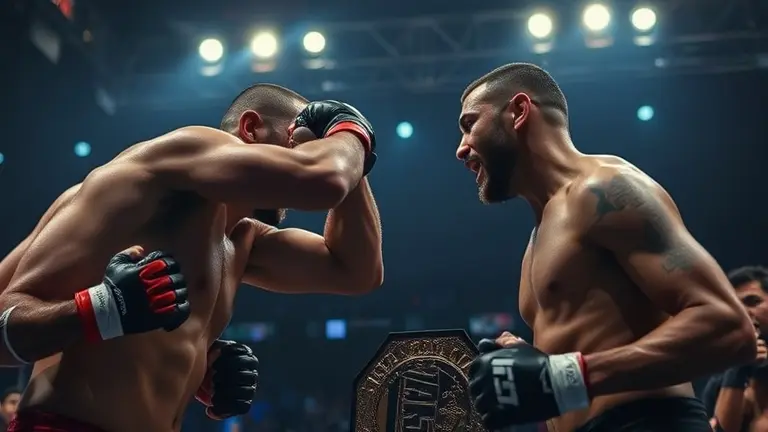
The dust has finally settled at the Prudential Center following UFC 328, but the shockwaves from Newark are still being felt across the MMA world. In a performance that defied the betting odds and silenced the doubters, Sean Strickland executed a tactical masterclass to edge out Khamzat Chimaev via split decision, effectively snatching the middleweight crown in one of the most polarizing title fights in recent memory. While the scorecards will inevitably fuel debates for weeks, the real story lies in the microscopic adjustments Strickland made to neutralize Chimaev’s relentless pressure, proving that championship heart often outweighs pure physical dominance.
As fans pour over the UFC results from last night, the narrative has shifted from mere shock to deep analytical scrutiny. We are left asking: how did the underdog rewrite the script against a juggernaut like Chimaev? This wasn’t just a win; it was a testament to the discipline required at the highest level of combat sports. Beyond the octagon, this display of physical and mental resilience serves as a powerful reminder of what it takes to break through plateaus and achieve elite performance, whether you are wearing four-ounce gloves or simply pursuing your own peak fitness goals.
UFC 328 Recap: Sean Strickland’s Stunning Upset at the Prudential Center
The atmosphere at the Prudential Center in Newark on May 9, 2026, was electric, as UFC 328 delivered one of the most discussed nights in recent MMA history. While fans searched for ufc last night updates to process the shock, the headline remained the middleweight title fight between Khamzat Chimaev and Sean Strickland. In a stunning display of defensive prowess and strategic composure, Sean Strickland secured a split-decision victory, effectively dismantling the momentum of the heavily favored Chimaev. This outcome, now a primary fixture of ufc results last night searches, has sparked intense debate among pundits and fans alike regarding the accuracy of the judges’ scorecards and the tactical adjustments Strickland utilized to neutralize his opponent’s wrestling-heavy approach.
Key Highlights and Undercard Dominance
Beyond the headline drama, the 13-bout card featured several performances that significantly altered the landscape of their respective divisions. The action inside the Octagon underscored the high stakes for every fighter on the roster:
- King Green vs. Jeremy Stephens: In a landmark performance, King Green secured a decisive win, officially handing Jeremy Stephens a record-setting loss that marks a pivotal point in the veteran’s storied career.
- Alexander Volkov’s Resurgence: Heavyweight contender Alexander Volkov delivered a masterclass in striking and distance management, securing a unanimous decision victory that has propelled him directly into the conversation for a future title shot.
- Strategic Upsets: The event proved once again that high-profile favorites are not immune to tactical game plans, as the night’s results shifted rankings across the middleweight and heavyweight divisions.
For those analyzing ufc results last night, the consensus is clear: Strickland’s ability to force a technical fight rather than a chaotic brawl remains his greatest asset. As the dust settles on UFC 328, the division finds itself in a state of flux, with the MMA community eagerly awaiting the promotion’s next move regarding the championship path.
The Anatomy of an Upset: Tactical Breakdown of Strickland vs. Chimaev
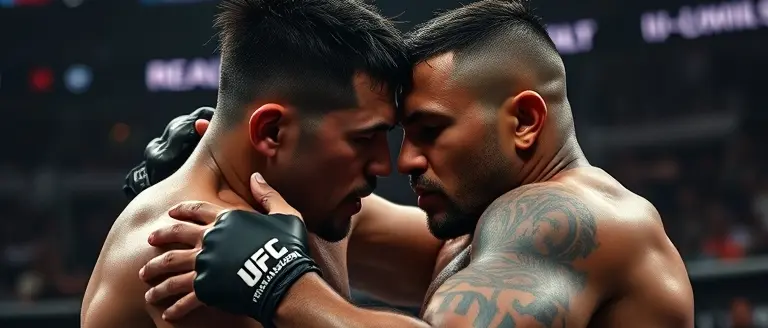
The main event of UFC 328 delivered a masterclass in defensive resilience, as Sean Strickland defied the oddsmakers to secure a split decision victory over Khamzat Chimaev. Analyzed through a tactical lens, Strickland’s path to victory relied on his signature high-guard shell and an uncanny ability to negate Chimaev’s initial explosive wrestling entries. Unlike previous opponents who withered under Chimaev’s early pressure, Strickland remained composed, utilizing a disciplined jab to maintain distance and prevent the grappling exchanges that have historically defined Chimaev’s dominance.
Neutralizing the Grappling Threat
Strickland’s success hinged on specific tactical adjustments that frustrated Chimaev over the five-round duration:
- Anti-Wrestling Pacing: Strickland refused to engage in long, drawn-out scrambles, prioritizing getting back to his feet quickly whenever taken down.
- The “Jab-First” Approach: By consistently flicking the jab, Strickland forced Chimaev to reset his entries, effectively disrupting the rhythm required for the Russian-born challenger to secure dominant positions.
- Volume Over Power: While Chimaev looked for the fight-ending finish, Strickland focused on cumulative striking volume, keeping his output high enough to sway judges in close, tactical rounds.
The resulting split decision has sparked significant debate, as UFC results last night left many fans and analysts divided on how to score the rounds where Chimaev held control time versus Strickland’s effective striking. Critics of the scorecard argue that damage should be prioritized over positional control, while others contend that Chimaev’s ability to initiate the clinch was enough to dictate the pace. Ultimately, Strickland’s ability to survive the early rounds and surge in the championship rounds proved to be the deciding factor in one of the most significant upsets of the year.
Decoding the Judges’ Scorecards: Why UFC 328 is Causing a Stir
The UFC 328 results have ignited a firestorm of debate across the MMA community, primarily centered on the narrow split decision that crowned Sean Strickland as the new middleweight king. While the official scorecards awarded the victory to Strickland, a significant portion of the fanbase and expert analysts remain firmly in the camp of Khamzat Chimaev. The controversy stems from how judges interpreted the Unified Rules of MMA regarding effective striking versus the control Chimaev established in the later rounds.
Where the Judges Diverged
A closer look at the round-by-round scoring reveals a fundamental disconnect in how the three officials perceived the damage and volume of the athletes:
- Round 1 and 2: Most media outlets and fans agreed these rounds belonged to Strickland, who utilized his signature jab and defensive shell to neutralize Chimaev’s early explosive attempts.
- Round 3 and 4: These frames became the focal point of the argument. While Chimaev secured significant takedowns and top control, he struggled to produce meaningful ground-and-pound, leading some judges to prioritize Strickland’s damage from the bottom and his activity upon returning to his feet.
- Round 5: This was the deciding factor. While Chimaev pressed the action, Strickland’s tactical clinching and late-fight surges swayed the judges who value the “effective aggression” criteria.
The divide exists because one judge prioritized Chimaev’s takedowns as the primary metric, while the others weighed Strickland’s damage output more heavily. This inconsistency highlights an ongoing issue in championship-level officiating. The UFC 328 scorecards underscore a lack of uniform interpretation regarding what constitutes “effective grappling.” For future title bouts, this result will likely accelerate calls for more transparent criteria, as the MMA world continues to grapple with the blurred lines between holding an opponent down and actually winning a fight through objective damage.
The Middleweight Horizon: What’s Next for the Division After UFC 328?

The landscape of the middleweight division has undergone a seismic shift following the UFC results last night. With Sean Strickland now holding the gold, the division enters a period of intense speculation regarding the next title defense. Strickland’s tactical victory has effectively neutralized the momentum of Khamzat Chimaev, forcing the UFC matchmakers to re-evaluate the top tier of the 185-pound weight class. While the UFC 328 scorecards remain a point of contention among fans and analysts, the reality is that the hierarchy has been permanently altered.
Potential Contenders for the New Champion
As the dust settles from UFC last night, several high-profile challengers are already positioning themselves for a shot at Strickland’s new title. The division is currently saturated with talent looking to test the defensive-minded style of the new kingpin. Potential paths for the division include:
- Dricus du Plessis: A logical frontrunner given his recent momentum and aggressive fighting style, which contrasts sharply with Strickland’s calculated pressure.
- Robert Whittaker: A former champion who remains a technical benchmark for the division, potentially setting up a high-stakes, stylistic chess match.
- Jared Cannonier: Should the promotion look for a powerhouse striker to challenge Strickland’s chin, Cannonier offers a proven path back to the top.
The Road Ahead for Khamzat Chimaev
For Khamzat Chimaev, the path forward is less defined. The loss marks a critical juncture in his trajectory toward becoming a multi-division titan. Evidence suggests he will likely need a rebound victory against a top-five opponent to re-establish his dominance. Whether he remains at middleweight or pivots back to welterweight remains the subject of intense debate. Regardless of his next move, the fallout from UFC 328 confirms that the middleweight division is now wide open, promising a busy and unpredictable calendar year for the weight class.
Beyond the Octagon: Optimizing Your Own Peak Performance
The aftermath of UFC 328 reminds us that even at the pinnacle of sports, victory is rarely about raw talent alone—it is about the relentless optimization of one’s physiology and tactics. Strickland’s victory was built on his ability to out-condition the opposition, proving that metabolic efficiency is the silent partner to any great physical achievement. If you have ever felt like you have hit a wall in your fitness journey, you are likely facing the same ‘thermogenic resistance’ that elite fighters spend their entire careers training to bypass.
Just as a championship fighter must meticulously manage their weight and energy levels to survive five rounds of hell, you can now bridge the gap in your own fitness routine by addressing your metabolic health at the source. This is where CitrusBurn becomes your ultimate corner-man. By helping to reactivate your body’s natural fat-burning processes, CitrusBurn allows you to tap into the same lean, sustainable energy that fuels professional athletes, helping you cut through stubborn plateaus without the jittery crash of synthetic stimulants.
It is time to stop playing defense with your health and start fighting for the physique you deserve. Whether you are looking to shed weight or simply maximize your daily energy output, CitrusBurn provides the metabolic edge needed to mimic the discipline and efficiency seen inside the Octagon. It is the natural, science-backed transition for anyone ready to elevate their performance to a championship level.
 Ready to get fight-ready? Discover the science of CitrusBurn and start optimizing your metabolism today.Transform My Life Today