
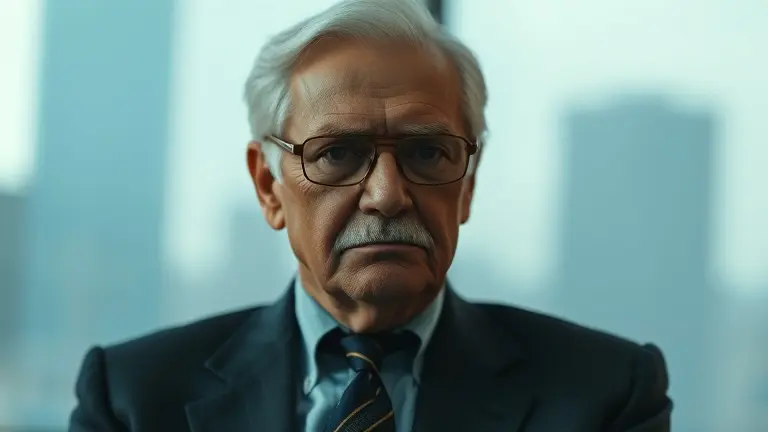
The world recently bid farewell to a true titan of industry, as the passing of Ted Turner on April 6, 2026, marked the end of an era that redefined how humanity consumes information. A visionary who transformed cable television and birthed the 24-hour news cycle, Turner leaves behind a complex legacy—one that spans from his high-profile marriage to Jane Fonda to his immense impact on sports entertainment and global conservation. While much of the retrospective coverage focuses on his massive net worth and media empire, there is a quieter, more profound story to be told about the man behind the headlines.
Turner’s late-life struggle with Lewy body dementia has cast a poignant light on the necessity of cognitive preservation, prompting a new wave of interest in the fragility of the human mind. Beyond the obituaries and the analysis of his media influence, we must examine the intersection of his legendary intellectual drive and the universal need for neurological longevity. As we navigate the fragmented media landscape he helped create, it becomes increasingly clear that the most precious asset we possess is our own mental clarity.
A Media Titan’s Final Chapter: Remembering Ted Turner (1938–2026)
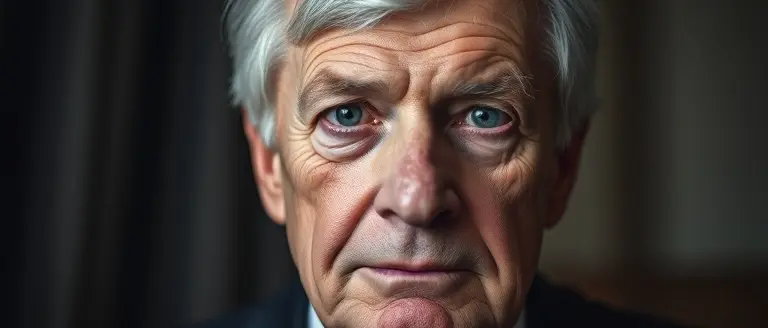
The global media landscape was forever altered on April 6, 2026, with the passing of Ted Turner at the age of 87. His death, which was formally confirmed in early May 2026, concluded a long and courageous battle with Lewy body dementia. As the founder of cable television icons like CNN, Turner’s influence spanned decades, fundamentally shifting how the world consumes information. Beyond his role as a media mogul, his life was defined by a restless entrepreneurial spirit that ventured from the boardrooms of Atlanta to the forefront of global conservation.
A Legacy of Innovation and Influence
Turner’s career was characterized by bold gambles that frequently paid off, most notably the 1980 launch of CNN, which pioneered the 24-hour news cycle. While his professional achievements often dominated headlines, his personal life—particularly his high-profile marriage to actress Jane Fonda—remained a subject of intense public fascination throughout the 1990s. His broader legacy includes:
- Revolutionizing News: Establishing the first 24-hour news network, creating the foundation for modern real-time media.
- Media Mogul Status: Managing a vast empire that included WTBS, TCM, and significant interests in professional wrestling via WCW.
- Environmental Stewardship: Becoming one of the largest private landowners in the United States, focusing heavily on bison restoration and sustainable land management.
- Financial Impact: Despite the fluctuations in his Ted Turner net worth over the years, his influence remained a constant, securing his place as one of the most significant figures in 20th-century entertainment.
The ted turner cause of death has prompted a retrospective on how his creation of the 24-hour news cycle inadvertently accelerated the hyper-polarized digital media environment we navigate today. While public discourse continues to analyze his complex impact on politics and journalism, his passing serves as a pivotal moment to recognize a man who not only predicted the future of media but actively built the infrastructure to sustain it.
The CNN Effect: How Turner’s 24-Hour Vision Reshaped Global Media

When Ted Turner launched Cable News Network (CNN) in 1980, critics famously dismissed it as the “Chicken Noodle Network,” doubting that audiences had an appetite for around-the-clock journalism. Turner, however, recognized that the evolution of cable television allowed for a paradigm shift: breaking news was no longer tethered to the constraints of the evening broadcast schedule. By providing a continuous stream of information, he fundamentally altered global media consumption, turning news into an essential, real-time utility that brought events like the Gulf War into living rooms with unprecedented immediacy.
The Paradox of Perpetual News
While Turner’s vision democratized access to information, it also initiated a complex legacy that scholars and media critics are only now fully reconciling following his death at age 87. The relentless demand to fill 24 hours of airtime created the “CNN Effect,” an engine of constant output that prioritized volume and speed over deep, contemplative analysis. This structural necessity for perpetual content arguably served as a precursor to the modern, hyper-polarized digital landscape.
Key elements of this shift include:
- The Fragmented Audience: To maintain engagement across a full day, news cycles began shifting toward opinion-based programming, which rewarded controversy to sustain viewer attention.
- The Speed-Accuracy Tradeoff: The pressure to be “first” replaced the objective of being “final,” a habit that intensified as social media platforms matured.
- Professional and Political Polarization: The competition for niche audiences within the massive cable ecosystem incentivized the creation of ideologically aligned reporting, contributing to the fragmented political reality many Americans face today.
While Ted Turner could not have predicted the rise of algorithmic echo chambers, his revolutionary business model undeniably lowered the barrier for the information-saturated world we inhabit today. His influence remains a subject of intense debate, as his life’s work serves as both a testament to entrepreneurial audacity and a cautionary tale regarding the unintended consequences of media ubiquity.
Beyond the Headlines: The Iconic Partnership with Jane Fonda
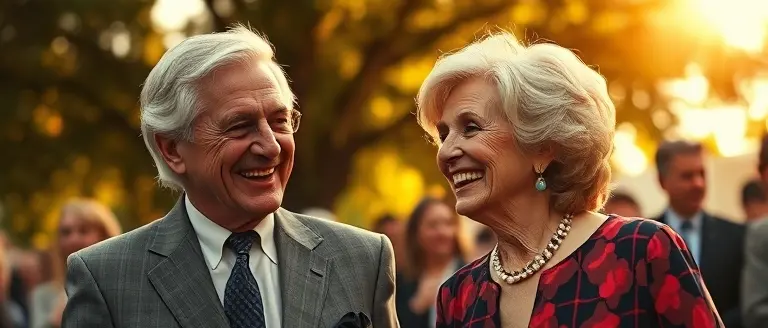
The marriage between Ted Turner and actress Jane Fonda remains one of the most significant power pairings in American cultural history. From their wedding in 1991 until their divorce in 2001, the couple occupied a central role in the 1990s zeitgeist, blending the worlds of cable television empire-building with high-profile activism and Hollywood prestige. While the public often viewed their relationship through the lens of celebrity gossip, the reality was a complex synergy of two powerful, independent personalities who challenged each other’s perspectives on politics, philanthropy, and personal growth.
During their decade together, Fonda often stepped back from her acting career, a decision that became a frequent subject of media speculation. However, historical accounts and personal reflections suggest their union was defined by a shared drive for social impact. Fonda eventually navigated a path back to both activism and performance, while Turner continued to leverage his ted turner net worth to fund massive conservation projects and global humanitarian initiatives. Their partnership provided a human dimension to the media mogul’s public persona, revealing a man who, despite his aggressive business reputation, deeply valued his intellectual and emotional connection with Fonda.
Several factors defined the public and private dynamics of their union:
- Mutual Influence: Fonda’s influence on Turner’s interest in environmentalism and progressive causes was widely documented, marking a shift in his philanthropic focus.
- Media Scrutiny: As one of the most recognizable couples in the world, they were constant targets of tabloid interest, which paradoxically brought more attention to their individual endeavors.
- Lasting Mutual Respect: Despite their eventual separation, both parties maintained a level of public civility and personal respect that lasted well beyond their divorce, even as Turner’s health declined in his later years.
Following the news of the ted turner cause of death in April 2026, the retrospective analysis of his life has inevitably circled back to his relationship with Fonda. Experts note that the partnership served as a bridge between the corporate rigidity of his early career and the more thoughtful, conservation-focused legacy he established in his twilight years. Their story continues to fascinate audiences as a quintessential example of how celebrity influence can shape public conversation and personal transformation.
The Maverick’s Legacy: Philanthropy and Environmental Stewardship

While the world remembers Ted Turner primarily for revolutionizing cable television and launching CNN, his profound commitment to land conservation stands as perhaps his most enduring long-term contribution. Often overshadowed by his media empire and his high-profile marriage to Jane Fonda, Turner emerged as one of the largest private landowners in the United States. His philanthropic philosophy was driven by a deep-seated urgency to protect biodiversity and restore native ecosystems, proving that his entrepreneurial spirit extended far beyond the boardroom.
Pioneering Bison Restoration and Land Ethics
At the core of his environmental stewardship was a massive, multi-decade project focused on the North American bison. Turner viewed these animals not merely as livestock, but as an essential keystone species for the Great Plains. By managing millions of acres across the American West, he transformed his properties into living laboratories for sustainable ranching. His efforts were instrumental in bringing the species back from the brink of ecological disappearance, turning a symbol of the Old West into a modern model for habitat management.
Key Pillars of Turner’s Environmental Impact
- Massive Land Preservation: Turner controlled over two million acres, ensuring vast tracts of wilderness were protected from urban sprawl and industrial exploitation.
- Sustainable Agriculture: He prioritized regenerative farming practices that focus on soil health and water conservation, often collaborating with scientific institutions to document the benefits of his land-use models.
- Global Sustainability Advocacy: Beyond his domestic holdings, Turner funneled significant portions of his net worth into the United Nations Foundation, specifically targeting climate change and clean energy initiatives.
While the media landscape he helped create eventually contributed to modern polarization, his ecological legacy remains remarkably unified. He utilized the same bold, disruptive vision that once challenged the status quo of global news to demand better stewardship of the Earth’s natural resources. For those examining his life following the news of his cause of death, it becomes clear that Turner’s true mission was to leverage his vast wealth as a tool for permanent environmental change.
Preserving Your Legacy of Mental Clarity
Ted Turner’s life was defined by a relentless, high-octane intellect that reshaped the world, from the 24-hour news cycle to the evolution of cable television. Yet, his final battle with Lewy body dementia serves as a sobering reminder that even the most formidable minds require proactive care. As we reflect on his monumental contributions to global media, we are left to consider the fragility of the very cognitive sharpness that drove his success, highlighting the vital importance of prioritizing neurological health as we age.
While Turner’s professional journey was public, the journey of cognitive health is deeply personal. Just as he pioneered new ways to capture our attention, there are now innovative, neuroscience-backed methods to reclaim your mental focus and support long-term brain vitality. The transition from honoring a media giant to investing in your own cognitive endurance is not just a smart choice—it is a necessary evolution in how we view the aging process.
By integrating accessible, scientifically-supported auditory stimulation into your routine, you can take a proactive stance against the decline that many fear, ensuring that your own mind remains as sharp and resilient as the legends we admire. This is your opportunity to apply the lessons of the past to secure a brighter, clearer future for your brain.
 Discover how a simple daily 12-minute audio routine can help you protect your cognitive edge and support long-term brain health.Transform My Cognitive Health Today!