
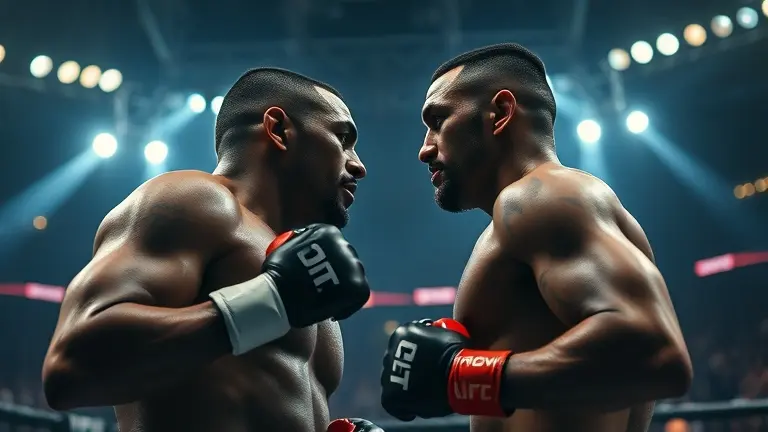
The dust has finally settled at the Prudential Center following the explosive main event of UFC 328, but the shockwaves from Sean Strickland’s victory over Khamzat Chimaev continue to reverberate throughout the MMA world. In a tactical masterclass that saw the end of Chimaev’s undefeated streak, Strickland proved that elite-level discipline and the ability to fight through significant adversity are what define a true champion. However, as details emerge regarding the debilitating shoulder injury Strickland sustained just days before the bout, the narrative shifts from simple victory to an investigative look at physical resilience and the true cost of competing at the pinnacle of sports.
Sean Strickland vs. Khamzat Chimaev was more than a fight; it was a high-stakes collision that tested the limits of human performance under extreme pressure. While fans and pundits remain divided over the 48-47 scorecards, the technical reality of the fight—and the severity of the injury Strickland masked—opens a broader conversation about how professional athletes maintain their conditioning amidst intense physiological stress. As we break down why the judges reached their controversial decision and what this outcome means for the future of the middleweight division, we must also look at how these physical demands reflect the universal need for men to support their own internal vitality and long-term resilience.
UFC 328: Sean Strickland’s Controversial Upset Over Khamzat Chimaev
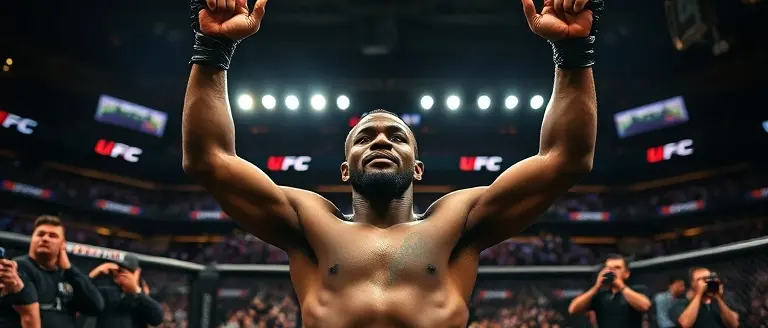
The main event of UFC 328 at the Prudential Center in Newark, New Jersey, will be remembered as a seismic shift in the middleweight division. In a high-stakes showdown that drew 17,783 fans, Sean Strickland successfully defied the betting odds to secure a split-decision victory over the previously undefeated Khamzat Chimaev. With official scorecards reading 48–47, 48–47, and 47–48, Strickland claimed the title of two-time UFC middleweight champion, effectively halting the hype train that had followed Chimaev for years. This victory has not only redefined the current landscape of the 185-pound weight class but has also ignited a firestorm of debate among fans and industry analysts regarding the legitimacy of the scoring.
Technical Breakdown and The “Chimaev Factor”
The matchup, widely referred to as strickland vs chimaev, was anticipated as a clash of styles. While Chimaev looked to utilize his grappling dominance, Strickland employed a disciplined, jab-heavy striking approach that neutralized Chimaev’s aggressive advances. Key factors that influenced the outcome include:
- Pressure Management: Strickland’s ability to remain calm under the early pressure exerted by Chimaev prevented the undefeated prospect from finding his rhythm in the later rounds.
- Judging Discrepancies: The split decision has become the primary point of contention, with critics arguing that the nuances of takedowns versus effective striking were weighed inconsistently across the judges’ panels.
- Physical Resilience: Reports surfacing post-fight confirm that Sean Strickland entered the octagon with a significant shoulder injury sustained in the final days of his camp, adding a layer of grit to his win.
As khamzat vs strickland concludes, the immediate fallout involves calls for a rematch. Whether the UFC brass opts for a second bout or moves toward other top-five contenders remains the defining question for the division. The controversy surrounding the result ensures that this fight will remain a focal point of sports discourse for the foreseeable future, as observers continue to evaluate how the judges’ interpretation of control time ultimately shifted the title balance.
The Technical Blueprint: How Strickland Neutralized the Chimaev Threat
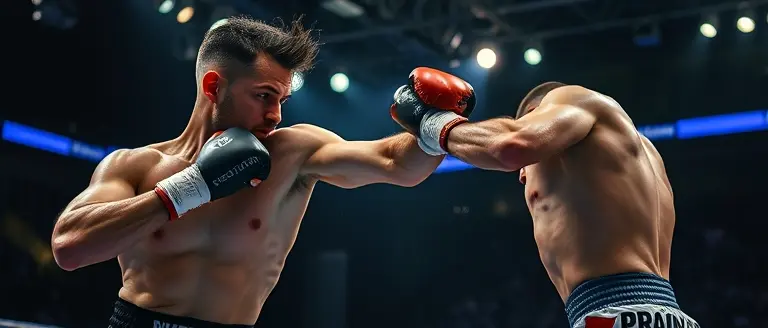
The tactical masterclass displayed at UFC 328 proved that Sean Strickland possesses a unique stylistic kryptonite for explosive grapplers. By successfully neutralizing Khamzat Chimaev, Strickland dismantled the myth of the “inevitable” finish that had defined Chimaev’s career leading up to this bout. The primary engine behind this victory was Strickland’s meticulous distance management. Rather than retreating, which would have played into the aggressive wrestling entries that define khamzat vs strickland matchups, Strickland utilized a “high-guard” shell combined with constant forward pressure to keep Chimaev at the end of his piercing jab.
Breaking Down the Tactical Adjustments
The technical efficiency shown by the new champion centered on three core adjustments that stifled the challenger’s offense:
- Jab-First Engagement: Strickland used his lead hand not just for damage, but as a measuring stick. By continuously peppering Chimaev’s vision, he disrupted the timing required for the takedown attempts that previously fueled Chimaev’s undefeated streak.
- Defensive Wrestling Integrity: Even when the fight hit the mat, Strickland demonstrated a disciplined approach to the clinch. He focused on framing rather than frantic scrambling, which forced Chimaev to burn significant cardiovascular energy against the cage.
- Forcing the Gassed State: By maintaining a pace that Chimaev was not accustomed to over five rounds, Strickland effectively drained the challenger. Evidence suggests that Chimaev’s inability to secure a finish within the first two frames caused a psychological shift, leading to hesitant exchanges that favored Strickland’s volume-heavy striking style.
This victory was not merely an upset; it was a clinical dismantling of an elite athlete who struggled to solve a high-volume, defensively sound puzzle. For those analyzing the strickland vs chimaev outcome, it is clear that Strickland’s ability to stay composed under fire turned the tide, leaving Chimaev searching for answers in a championship environment he was not yet prepared to dominate.
Scoring the Split Decision: Was the UFC 328 Verdict Justified?

The UFC 328 main event between Sean Strickland and Khamzat Chimaev has ignited a firestorm of debate, centered primarily on the razor-thin 48–47, 48–47, 47–48 split decision that crowned Strickland as the two-time middleweight king. To understand the controversy, one must differentiate between the subjective perception of octagon control and the objective scoring criteria prioritized by the Unified Rules of MMA. While many spectators favored Chimaev’s aggressive grappling sequences, judges appear to have prioritized the significant, clean striking and damage accumulation that defined Strickland vs Chimaev.
Dissecting the Judging Criteria
The split nature of the scorecard suggests a divergence in how each judge interpreted the “Effective Striking/Grappling” hierarchy. Under current guidelines, damage is the paramount factor, followed by effective aggression and cage control. Analysts examining the bout have identified the following points of contention:
- Damage vs. Control: While Chimaev secured multiple takedowns, his inability to threaten with high-level submissions or impactful ground-and-pound arguably rendered those sequences less “effective” in the eyes of two judges.
- The Impact of the Jab: Strickland’s persistent, technical jab disrupted Chimaev’s momentum throughout the championship rounds, a metric often undervalued by fans but heavily scrutinized by ringside officials.
- Subjectivity in Round 4: The most disputed round was undoubtedly the fourth, where the optics of Chimaev’s top position conflicted with the cumulative facial damage sustained by the previously undefeated contender.
Implications for the Middleweight Division
The uproar following Khamzat vs Strickland highlights a perennial issue within the sport: the transparency of MMA judging. Whether the verdict was “justified” remains a polarizing subject, but the data points toward a shift toward rewarding technical efficiency over raw wrestling pressure. As the division grapples with the aftermath of this result, the lack of a clear, unified interpretation of round-by-round scoring continues to fuel demands for a rematch. For Strickland, the win validates his tactical prowess, but the lingering controversy ensures that his first title defense will be shadowed by debates over the legitimacy of this specific scorecard.
The Hidden Injury: Assessing Strickland’s Shoulder and Future Title Defenses
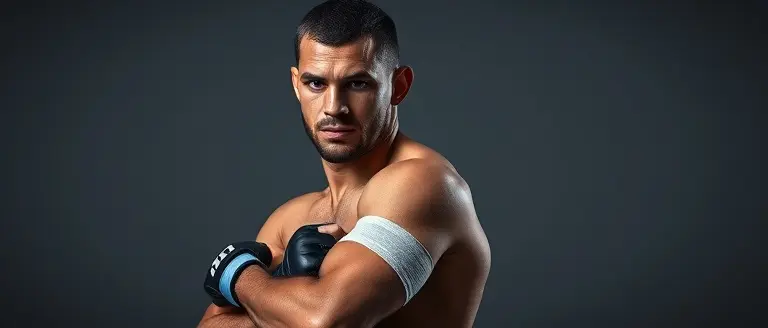
In the wake of his historic victory at UFC 328, Sean Strickland shocked the MMA community not only by snapping the undefeated streak of Khamzat Chimaev but by revealing he competed with a severe shoulder injury sustained just four days before the bout. While the fight itself was a tactical masterclass in stifling Khamzat Chimaev, the revelation of this injury adds a new layer to the “mythos” surrounding Strickland’s durability and grit. Medical experts often note that shoulder stability is critical for the wrestling-heavy defense required to face a grappler of Chimaev’s caliber. By neutralizing Khamzat vs. Strickland grappling exchanges with limited mobility in his lead arm, Strickland showcased an elite level of situational awareness that defied his physical limitations.
Implications for the Middleweight Roadmap
The recovery timeline for such an injury now places a significant question mark over the immediate future of the 185-pound division. If Strickland requires surgical intervention or an extended rehabilitation period, the UFC may be forced to look at alternative paths to keep the division active. Key factors influencing the division’s stability include:
- Rematch Feasibility: Given the controversial split decision (48–47, 48–47, 47–48), fans are clamoring for a “do-over,” but Strickland’s health status will dictate whether an immediate rematch is viable or if the promotion will turn to other top-five contenders.
- Division Logjam: Should the champion be sidelined, interim title considerations could emerge, particularly to satisfy the momentum of high-ranked fighters waiting in the wings.
- Performance Metrics: Analysts are now re-evaluating the Sean Strickland vs. Khamzat tape, noting how the injury forced Strickland into a more patient, counter-striking style that potentially minimized his risk exposure.
Ultimately, Strickland’s ability to secure the belt under duress cements his status as one of the toughest competitors in the sport. However, the path forward remains clouded by the uncertainty of his recovery, leaving the middleweight division at a crucial crossroads as fans await official word on his next title defense.
Defining the Future of Your Own Peak Performance
The aftermath of UFC 328 leaves us with more than just a debate over scorecards; it provides a stark reminder that even at the highest levels of combat sports, the human body is constantly pushed to its breaking point. Sean Strickland’s victory, achieved through sheer grit and tactical neutralization of Khamzat Chimaev, highlights the undeniable link between psychological fortitude and physical resilience. Whether battling an opponent in the Octagon or navigating the daily stressors of life, your body requires consistent, proactive support to maintain its edge and recover effectively.
While elite fighters like Strickland rely on specialized teams to manage injuries and sustain peak hormonal health, the average man must also prioritize his internal foundation to ensure long-term vitality. Just as Strickland had to rely on his structural integrity to overcome a sudden injury, supporting your own stamina and physical control is the difference between thriving and merely surviving. It is about equipping your body with the nutritional support it needs to stay resilient under pressure.
Understanding this demand for excellence is why integrating advanced health support is the next logical step for those committed to their personal strength and endurance goals. By focusing on hormonal vitality and overall physical maintenance, you can mirror the discipline seen in championship-level athletes, ensuring your body remains a reliable asset for years to come. See how professional-grade support can elevate your personal physical standards today.
 See how elite-level health supports your personal physical goals and long-term vitality here.Transform My Life Today