
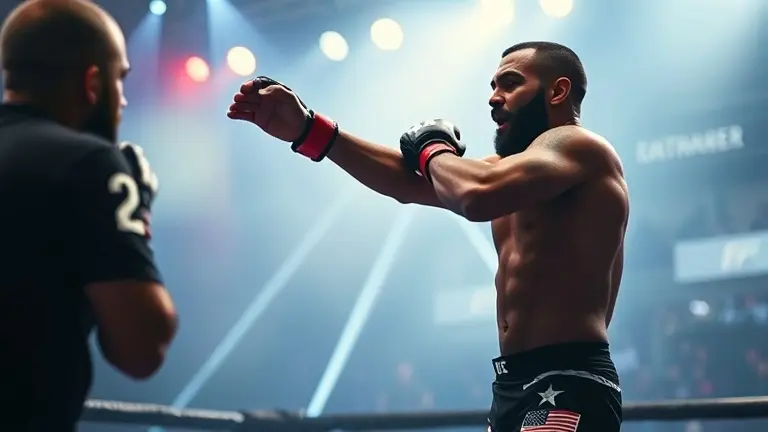
The dust has finally settled at the Prudential Center, but the debate surrounding UFC 328 is only just beginning. Sean Strickland’s split-decision victory over the previously undefeated Khamzat Chimaev has sent shockwaves through the middleweight division, leaving fans and analysts deeply divided. While the scorecards sparked immediate controversy, the true story of the night lies beneath the surface. Entering the cage with a compromised shoulder just four days after an injury, Strickland didn’t just survive; he displayed a masterclass in defensive positioning and tactical discipline that effectively neutralized Chimaev’s aggressive grappling pressure.
This wasn’t the high-octane brawl many expected, but rather a cold, calculated chess match played at the highest level of combat sports. To truly understand why the judges reached their conclusion—and what this means for the future of the 185-pound throne—we must move past the headlines and dissect the technical nuances of Strickland’s defensive shell. By analyzing the subtle feints, the rhythmic distance management, and the mental fortitude required to fight through physical adversity, we uncover the blueprint that kept the championship belt firmly in Strickland’s grasp.
UFC 328: The Controversy Behind Strickland’s Second Middleweight Crown
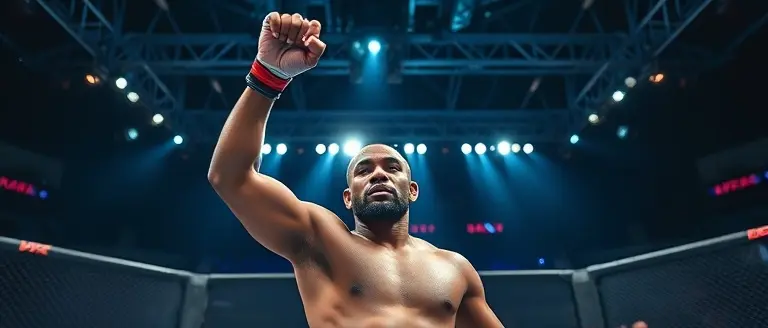
The main event of UFC 328 at the Prudential Center will likely be remembered more for its contentious outcome than for the technical spectacle many fans anticipated. When Sean Strickland was announced as the winner via split decision (48–47, 48–47, 47–48) over Khamzat Chimaev, the arena—and the broader MMA community—erupted in immediate debate. While Strickland secured his status as a two-time UFC middleweight champion, the victory has been clouded by criticism regarding the fight’s lackluster pace and the polarizing nature of the judges’ scorecards. The disparity between the pre-fight hype and the reality of the cage action left many viewers feeling that the high-stakes clash failed to live up to its potential, especially considering the undefeated aura Khamzat vs Strickland carried into the night.
Navigating Injury and Public Scrutiny
The narrative surrounding this victory is significantly complicated by the revelation that Sean Strickland entered the Octagon nursing a shoulder injury sustained just four days prior to the event. This physical limitation appears to have forced a more defensive, methodical game plan that prioritized neutralising Chimaev’s explosive grappling over offensive output. Analyzing the fight through this lens reveals several critical factors that likely influenced the judges:
- Tactical Neutralization: Strickland successfully stifled Chimaev’s takedown attempts, forcing the fight into a prolonged striking stalemate that drained the momentum of his opponent.
- The Injury Variable: Reports of the shoulder injury suggest that Strickland was unable to commit to heavy power shots, opting instead for a jab-heavy, distance-managing approach.
- Split Decision Logic: Critics argue that while Strickland’s defense was disciplined, Chimaev’s occasional bursts of aggression were undervalued, leading to a decision that remains a point of contention for analysts.
Ultimately, whether this bout is viewed as a masterclass in tactical IQ or a disappointing stalemate depends on how one prioritizes effective striking versus control. For Strickland, the belt is secured, but the shadow cast by the strickland vs chimaev scorecards suggests his second reign will be defined by an immediate need to validate this win against other top contenders.
Tactical Breakdown: How the Shoulder Injury Shaped Strickland’s Game

The victory of Sean Strickland at UFC 328 was defined as much by his physical limitations as his technical execution. Following the revelation that he suffered a significant shoulder injury just four days before his bout against Khamzat Chimaev, the tactical nuances of his performance become much clearer. Rather than engaging in his signature high-volume, forward-pressing style, Strickland adopted a hyper-conservative defensive shell that prioritized damage mitigation over offensive output. By keeping his lead hand extended and minimizing the rotation in his injured shoulder, he effectively stifled the explosive entries that previously made Khamzat vs. Strickland such a high-stakes matchup.
Strickland’s approach to neutralizing Chimaev’s wrestling-heavy game plan relied on three primary defensive adjustments:
- Modified Jab Usage: Strickland utilized a flicking, low-commitment jab to maintain distance, preventing Chimaev from gaining the necessary leverage to initiate deep clinches.
- Lateral Footwork: By constantly circling away from his injured side, Strickland forced Chimaev to reset his attacks, which stalled the momentum required for the takedowns that define the Chechen fighter’s career.
- Reduced Clinch Engagement: Sensing his limited power in grappling exchanges, Strickland actively disengaged the moment the fight hit the fence, opting to reset in open space where his lateral movement was most effective.
These adjustments were not merely reactive; they were a calculated gamble that limited the energy expenditure of both fighters, contributing to the perceived “sluggish” pace of the contest. While the split decision win remains a point of contention among fans, the underlying data suggests that Strickland’s ability to adhere to a rigid, injury-aware game plan was the decisive factor. By refusing to overextend into Chimaev’s power, he forced a tactical stalemate that favored his defensive shell, ultimately allowing him to secure the middleweight title despite operating at significantly less than full capacity.
Judging the Scorecards: Why the Judges Favored Strickland
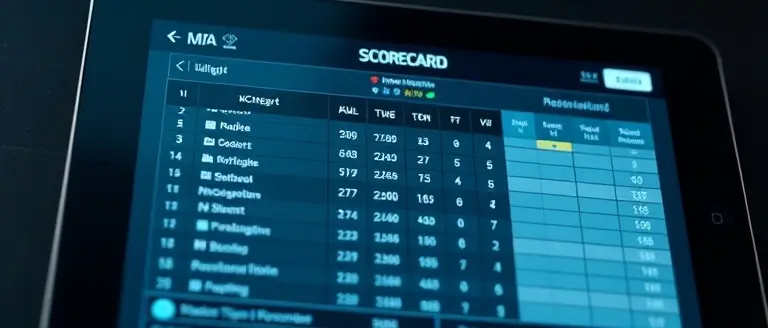
The split decision outcome of UFC 328 continues to spark intense debate among MMA analysts and fans alike. To understand why two judges favored Sean Strickland over Khamzat Chimaev, one must strictly adhere to the Unified Rules of MMA, which prioritize effective striking and grappling over mere cage control or aggression. While Chimaev’s physical presence and early grappling threats initially swayed some viewers, the judges correctly focused on the “damage” criteria—the primary metric in modern scoring. Strickland’s ability to neutralize Chimaev’s takedown attempts through superior defensive posture meant that Chimaev’s “control time” lacked the requisite impact to secure rounds under the current criteria.
Several factors explain why the scorecards ultimately tilted toward the two-time champion:
- Damage over Control: Judges are instructed to look for meaningful strikes and dangerous submission attempts. Strickland’s high-volume, rhythmic counter-striking consistently landed on Chimaev, whereas Chimaev’s wrestling failed to produce significant ground-and-pound or threatening submission attempts.
- Neutralizing the Threat: Despite a reported shoulder injury sustained just four days before the bout, Strickland maintained a disciplined defensive shell. By stuffing the most critical takedowns, he forced the fight back into his preferred striking range, where he held a clear advantage in landed volume.
- Effective Aggression: The criteria for aggression only apply if the striking and grappling are statistically equal. Because Strickland was the more effective striker—both in total volume and landing cleaner, more impactful shots—Chimaev’s forward pressure was largely dismissed by the majority of the panel.
Ultimately, the Strickland vs. Chimaev scorecards reflect a growing trend in high-level officiating where cage time without output is penalized. While the fight failed to meet the lofty entertainment expectations set by the pre-fight hype, the judges’ decision-making process was a technically sound application of the rules, prioritizing damage and tactical accuracy over the perception of dominance.
The Road Ahead: Middleweight Matchmaking in the Strickland Era
With Sean Strickland now a two-time champion following his victory at UFC 328, the middleweight division enters a period of high volatility. Strickland’s status as a ‘gatekeeper turned champion’ presents a unique strategic puzzle for the promotion. By neutralizing the grappling-heavy approach of Khamzat Chimaev, Strickland has proven that his pressure-heavy, distance-managing style is a nightmare for specialists. While fans remain divided over the Strickland vs Chimaev split decision, the reality is that the division must now cater to a champion who relies on defensive shell tactics and relentless cardio rather than flashy finishes.
Potential Title Contenders and Future Matchups
As the division resets, the focus shifts toward who can best challenge the tactical rigidity of Strickland. Potential matchups include:
- The Rematch Narrative: While Khamzat vs Strickland is a high-demand topic, the lingering nature of the split decision makes an immediate rematch unlikely unless Chimaev proves his dominance against a top-five contender first.
- Top-Tier Threats: Stylistic challengers with elite kickboxing and takedown defense are now prioritized. Matchmakers are likely looking at contenders who can match Strickland’s pace without falling into his trap of over-committing to strikes.
- The Rise of New Talent: As rankings shift, young, well-rounded fighters who can exploit the physical wear and tear Strickland exhibits—such as his recent shoulder injury—will be favored to dethrone him.
Strickland’s reign is defined by his ability to make opponents fight his specific game, forcing them to exhaust themselves against his defensive shell. Whether this approach remains viable long-term depends on his health and the division’s ability to evolve past his specific counter-striking blueprint. The next several months of matchmaking will be critical in determining if the Strickland era is here to stay or if the middleweight throne remains a revolving door.
Master the Tactical Game
Analyzing elite-level combat requires more than just watching the broadcast; it demands a level of analytical precision that keeps pace with the fighters’ own split-second decision-making. Just as Sean Strickland relies on supreme mental discipline to neutralize his opponents, mastering the game of MMA demands a sharp, clear mind capable of processing every technical exchange in real-time. Whether you are dissecting defensive strategies or evaluating potential title defenses, mental fog is the enemy of true understanding.
That is where The Brain Song changes the game. This isn’t just a supplement; it is a dedicated cognitive conditioning tool designed for those who refuse to settle for surface-level analysis. By enhancing your focus and eliminating the mental fatigue that clouds complex tactical processing, The Brain Song gives you the same competitive edge that championship-level athletes bring into the cage. It is the natural next step for any serious fan looking to see the sport exactly as the champions do, providing the clarity needed to unlock the hidden narratives behind every fight.
 Unlock your elite analytical focus and see the fight exactly as the champions do with The Brain Song.Sharpen My Mind Today