
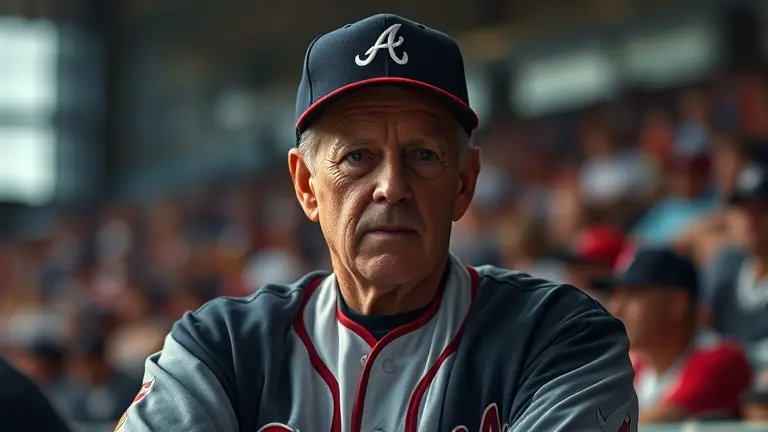
The baseball world was deeply saddened on May 8, 2026, as news broke of the passing of Bobby Cox, the legendary Atlanta Braves manager and Baseball Hall of Famer, at the age of 84. Coming closely on the heels of the loss of franchise visionary Ted Turner, Cox’s death marks the end of a foundational era that defined modern Atlanta baseball. From the fiery, unforgettable walks to the mound to argue with umpires to his steady-handed stewardship of stars like Freddie Freeman, Cox was more than just a manager; he was a craftsman of the diamond whose 14 consecutive division titles remain etched into the record books as a testament to unparalleled consistency and vision.
While his absence leaves a void in the hearts of fans, his impact continues to resonate through the tactical philosophies and leadership principles he instilled in the generations of players he mentored. As we look back on his storied career—highlighted by that triumphant 1995 World Series run—we are reminded that true greatness is built upon a foundation of meticulous preparation, unwavering grit, and an obsession with detail. In celebrating his life, we honor the man who taught us that with the right structure and a commitment to fundamentals, any goal is within reach.
Remembering Bobby Cox: A Legend of the Atlanta Braves
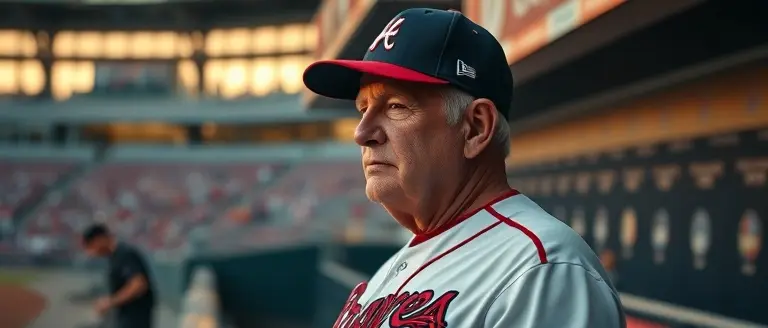
The baseball world is in deep mourning following the passing of Bobby Cox on May 8, 2026, at the age of 84. His death marks the end of an era for the Atlanta Braves, coming only shortly after the loss of former team owner Ted Turner. This somber period has left the organization and its fanbase reflecting on the immense contributions of the two men who largely defined the modern identity of professional baseball in the South. As a Hall of Fame manager, Cox was the steady hand that guided the franchise through its most golden years, cementing his status as a pillar of the organization.
The outpouring of grief from across the MLB community highlights the profound reach of his mentorship and character. Among the many tributes, the words of former Brave Freddie Freeman resonated deeply with fans, as he shared emotional reflections on how Cox helped shape his development into the perennial All-Star he is today. This sentiment is shared by generations of players who thrived under his “folksy” yet commanding leadership style.
Key highlights of his enduring influence include:
- Sustained Excellence: Leading the Braves to an unprecedented 14 consecutive division titles, a feat of consistency unmatched in professional sports history.
- The 1995 Championship: Delivering a World Series title that solidified Atlanta’s place as a national powerhouse.
- Mentorship Legacy: Providing a foundational coaching influence that molded future stars like Freddie Freeman, ensuring his tactical and philosophical approach trickled down to subsequent generations.
- Character and Integrity: Earning deep respect for his loyalty to the Atlanta area and his passionate, often fiery, defense of his players during heated umpire disputes.
The passing of Bobby Cox is not merely a headline regarding a death; it is a moment of reflection on a career defined by unwavering dedication and tactical brilliance. While the games continue, the silence left by his absence is palpable throughout the league, reminding us that his legacy as a titan of the game will remain indelible in baseball history.
The Master of the Diamond: Bobby Cox’s Coaching Style
A Masterclass in Player Management
Bobby Cox’s coaching style was defined by a rare duality: a fierce, uncompromising protective instinct for his players and a steady, paternal hand that fostered immense loyalty. As the architect of the Atlanta Braves dynasty, Cox transformed the culture of the franchise, shifting the focus from individual statistics to collective accountability. He possessed an uncanny ability to connect with talent, acting as a mentor to legends and rookies alike. Former players, including star first baseman Freddie Freeman, have consistently pointed to Cox’s influence as a cornerstone of their professional development. His approach was not about micro-managing every pitch, but rather creating an environment where players felt empowered to perform under the highest pressure, a philosophy that directly contributed to the team’s 14 consecutive division titles.
The Art of the Argument
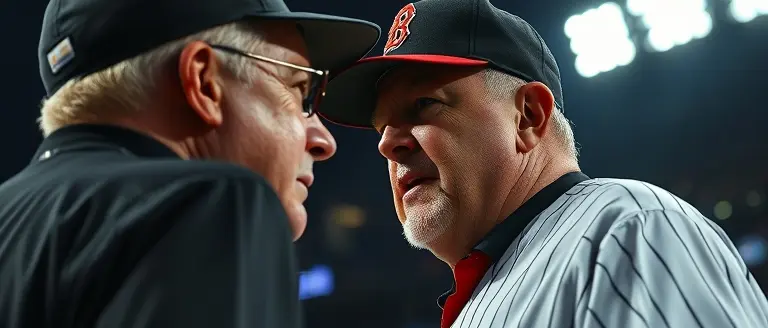
Perhaps the most iconic element of his tenure was his legendary, slow-motion walk to home plate to contest an umpire’s call. These confrontations were more than simple disputes; they were calculated maneuvers designed to shield his players from scrutiny and pressure. By consistently drawing the ire of officials, Bobby Cox ensured that the spotlight remained on him rather than his roster, a tactic that built unbreakable trust within the clubhouse. This protective nature allowed his team to focus solely on the game, fostering a resilient, “us-against-the-world” mentality. Key characteristics of his leadership included:
- Unwavering Support: Standing between his players and the officials to absorb criticism.
- Trust in Talent: Giving established stars the autonomy to manage their own routines.
- Consistency: Maintaining a steady, “folksy” demeanor regardless of whether the team was on a winning streak or facing a difficult slump.
His Hall of Fame career serves as a masterclass in psychological management, proving that empathy and authority are not mutually exclusive. Even as the baseball landscape evolves toward analytics-heavy management, the legacy of Cox’s human-centric leadership remains a gold standard for success in professional sports.
A Legacy of Excellence: 14 Division Titles and the 1995 Championship
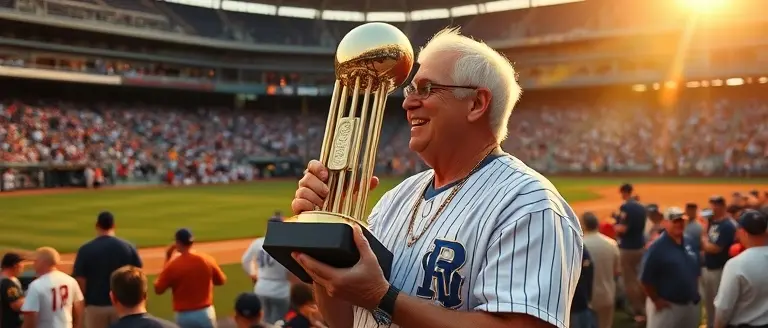
The tenure of Bobby Cox with the Atlanta Braves stands as one of the most remarkable chapters in Major League Baseball history. Between 1991 and 2005, Cox orchestrated a period of sustained dominance that resulted in an unprecedented 14 consecutive division titles. This streak was not merely a product of talent, but a reflection of Cox’s ability to cultivate a winning culture that prioritized consistency, pitching depth, and unwavering loyalty. By building the team around a legendary rotation—anchored by Hall of Famers Greg Maddux, Tom Glavine, and John Smoltz—Cox transformed the Braves into a national brand, capturing the hearts of fans across the country and setting a gold standard for organizational success.
The 1995 World Series and Strategic Mastery
The crowning achievement of this era was undoubtedly the 1995 World Series championship. After years of playoff heartbreak, the Braves finally broke through to defeat the Cleveland Indians, validating Cox’s meticulous management style. His leadership during the mid-90s taught the organization how to navigate high-pressure environments, a lesson that would benefit future stars like Freddie Freeman. Key pillars of his strategic approach included:
- Pitching-First Philosophy: Cox relied heavily on his starters to eat innings, effectively neutralizing opponents and maintaining defensive stability.
- Mentorship and Culture: He fostered an environment where players felt supported, earning him immense respect throughout the league.
- Tactical Aggression: Despite his “folksy” reputation, Cox was known for his fierce loyalty to his players, often risking ejection to defend his team against questionable umpire calls.
- Consistency: The 14-year run proved that the Braves were the team to beat every single season, cementing the club as a perennial postseason contender.
This sustained excellence cemented the Bobby Cox Braves legacy, proving that long-term success is achievable through structural stability and calm, authoritative leadership. His influence extends far beyond his retirement, as the fundamental principles of preparation and accountability he instilled remain embedded in the current fabric of the Atlanta organization.
Mentorship and the Lasting Impact on Modern Baseball

Beyond the record-breaking 14 consecutive division titles and the 1995 World Series championship, the true Bobby Cox legacy resides in the generations of players he mentored. Often described as a father figure, Cox utilized a unique managerial style that prioritized long-term player development and trust over rigid, short-term tactical demands. He fostered an environment where young talent, including future icons like Freddie Freeman, felt empowered to grow under his guidance. This approach to leadership—rooted in consistent communication and a genuine investment in his athletes as people—became the bedrock of the Atlanta Braves organization for decades.
A Philosophy Built on Relationships
Cox’s influence remains visible in the current landscape of Major League Baseball, where many former players and coaches credit him with shaping their own professional values. His induction into the Baseball Hall of Fame served as a definitive validation of his philosophy: that sustaining success requires more than just raw talent; it requires a culture of accountability and loyalty. His mentorship extended well beyond the diamond, focusing on several key pillars:
- Relationship-Driven Leadership: Cox famously placed his players’ well-being at the forefront, creating a clubhouse culture where individuals felt protected and valued.
- Tactical Consistency: By maintaining a calm, predictable demeanor, he provided stability that allowed players to perform under the intense pressure of the postseason.
- The “Father Figure” Dynamic: Players frequently noted his ability to correct mistakes without eroding confidence, a delicate balance that molded raw prospects into refined veterans.
As the baseball world reflects on his passing, it is clear that his impact transcends statistics. The modern era of MLB continues to benefit from the trail he blazed, proving that empathy and relationship-building are just as vital to winning as the standard metrics of the game. Even after his retirement, the lessons instilled by Cox continue to inform the coaching philosophies currently in practice across the league.
Building Your Own Legacy Through Precision
Bobby Cox’s career was a masterclass in the value of patient, methodical construction. He didn’t just manage a team; he built a culture that demanded excellence, structure, and respect for the process. Just as he meticulously shaped the Braves into a championship-caliber organization, true satisfaction in life often comes from applying that same level of focus and craftsmanship to the tangible projects we undertake in our own workshops.
If you have ever admired the precision required to lead a team to greatness, you understand that the best results are born from a blend of passion and the right set of tools. We believe that Bobby’s legacy of ‘craftsman-style’ leadership finds a perfect parallel in the art of fine woodworking. Whether you are honoring his memory or simply looking to channel that same disciplined energy into a rewarding hobby, bringing a professional-grade approach to your home workshop is the ultimate way to pay tribute to his standards.
We invite you to elevate your own craftsmanship today. By accessing a massive library of detailed plans and expert techniques, you can ensure that every project you undertake is built to last, reflecting the same attention to detail that defined the Bobby Cox era of Atlanta baseball. Your journey into the art of creation starts with the right blueprint.
 Just as Cox demanded precision on the field, bring that same standard to your workshop; explore over 16,000 professional plans to build your own legacy today.Start Building My Legacy Now!