
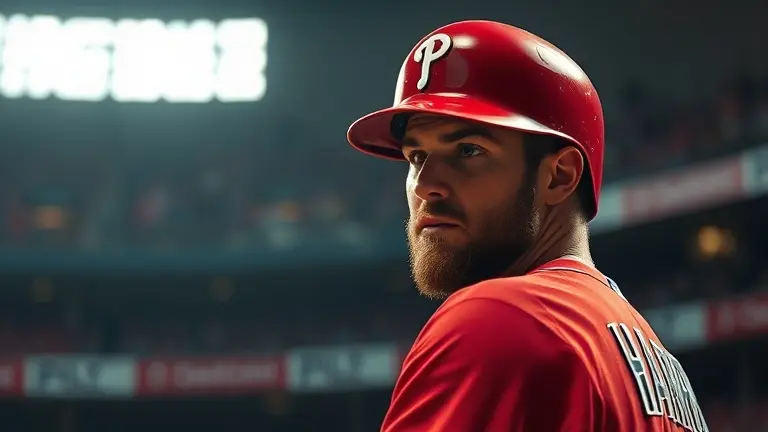
On May 9, 2026, the Philadelphia Phillies’ dugout saw a concerning shift as star first baseman Bryce Harper was abruptly removed from the game against the Colorado Rockies. The departure, triggered by an sudden migraine during the bottom of the first inning, has rippled through the baseball community, casting a spotlight on the fragility of elite performance. In a season already defined by the Phillies’ uphill battle and mounting scrutiny, Harper’s health struggles have sparked intense debate among fans: is his recent performance slump a reflection of a physical decline, or is it a byproduct of the immense psychological weight carried by a franchise player during a collective team struggle?
Beyond the box scores and the immediate medical updates, this incident opens a larger conversation about the invisible hurdles athletes face. When the margin for error is razor-thin, even the slightest dip in cognitive clarity—often characterized as ‘brain fog’—can derail the focus required to excel at the plate. As we examine the intersection of Harper’s injury history and the mounting pressure of the 2026 season, we must look at how mental sharpness dictates success in high-pressure environments, both for the pro athlete and the everyday high-achiever.
Update: Bryce Harper Exits May 9 Game Against Rockies Due to Migraine
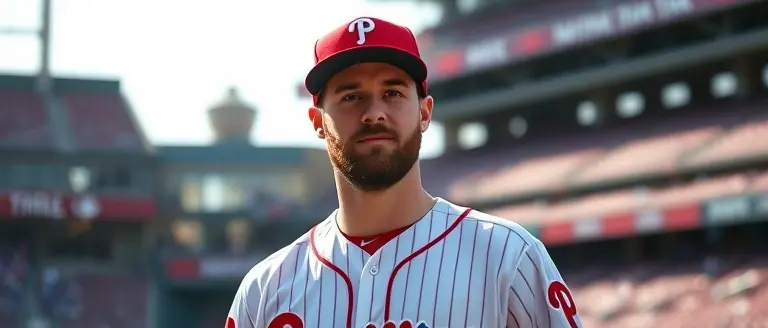
During the May 9, 2026, matchup against the Colorado Rockies, Philadelphia Phillies star first baseman Bryce Harper was abruptly removed from the lineup in the bottom of the first inning. The early departure immediately sparked concern among the Phillies faithful regarding the health and status of the franchise cornerstone. Following the exit, team officials confirmed that Harper was sidelined due to a migraine, a condition that necessitated his immediate withdrawal from the game to receive medical attention and symptom management.
Official Medical Status and Team Response
The organization’s medical staff provided a brief update shortly after the incident, emphasizing that the decision to remove Harper was precautionary. According to reports from the game, the medical team monitored his symptoms closely, prioritizing his long-term recovery over staying in the high-stakes game. While migraines are often classified as non-acute in the context of long-term injury outlooks, their impact on an athlete’s visual acuity, light sensitivity, and physical coordination can be significant, making it impossible for a player to perform at a professional level under such conditions.
Key points regarding the situation include:
- Timeline: Harper exited the game in the bottom of the first inning, leaving the field shortly after his initial appearance.
- Diagnosis: The Phillies confirmed the official reason for removal was a migraine.
- Precaution: The team’s medical staff opted for an immediate exit to ensure Harper could rest, preventing the potential for prolonged symptoms.
The removal comes at a challenging juncture for the Phillies, who have been navigating a difficult start to the 2026 season. As fans look for clarity, the focus remains on whether this is an isolated event or part of a broader trend regarding player availability. Given the team’s current struggle for consistency, the status of Bryce Harper is being monitored closely by the front office and medical staff alike, with updates on his availability expected as the team evaluates his readiness to return to the diamond.
Analyzing Bryce Harper’s 2026 Performance Metrics
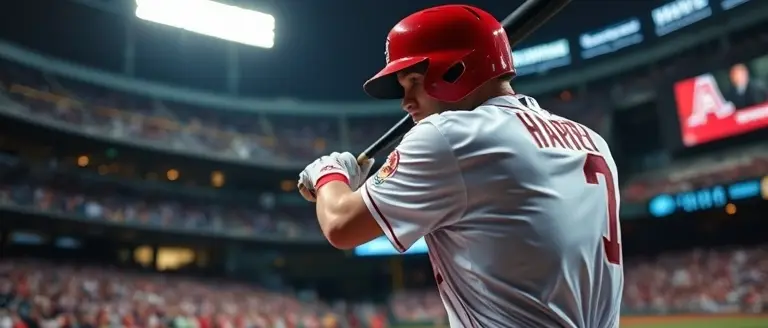
Through the early stages of the 2026 MLB season, Bryce Harper has faced an uncharacteristic statistical dip that has become a focal point of discussion among Phillies faithful. Entering the May 9 game against the Colorado Rockies, his batting average hovered at .261—a mark that sits notably lower than his career standards. While a singular average can be influenced by luck, a deeper dive into his advanced metrics reveals a more complex narrative regarding his plate discipline and contact quality. His exit velocity has remained relatively consistent, suggesting that the power is still present, yet the frequency of hard contact has seen a slight decline compared to his standout 2024 and 2025 campaigns.
Evaluating Plate Discipline and Contact Rates
To understand the current slump, we must look beyond the slash line at specific statcast data and behavioral trends at the plate. Observations of his at-bats reveal the following indicators:
- Strikeout Rates: There has been a marginal uptick in chase rates on pitches outside the zone, suggesting a potential breakdown in pitch recognition or increased pressure to produce during the team’s collective offensive struggles.
- Plate Discipline: His walk rate, traditionally a cornerstone of his offensive value, has seen slight volatility, indicating that pitchers may be attacking him differently than in previous, more productive seasons.
- Contact Quality: While his barrel percentage remains respectable, there is a discernible shift in launch angles, resulting in a higher frequency of ground ball outs compared to his high-peak years.
This statistical baseline suggests that while Bryce Harper is not experiencing a total collapse of talent, he is currently battling a disruption in timing and approach. Whether these metrics are a byproduct of the lingering physical ailments—such as the migraine that forced his early exit—or indicative of a broader shift in his swing mechanics, remains the subject of intense scrutiny. As the 2026 season progresses, the alignment of his plate discipline with his career norms will be the primary indicator of his ability to return to elite-tier production.
Team Slump or Individual Decline: Assessing the Phillies’ 2026 Struggles
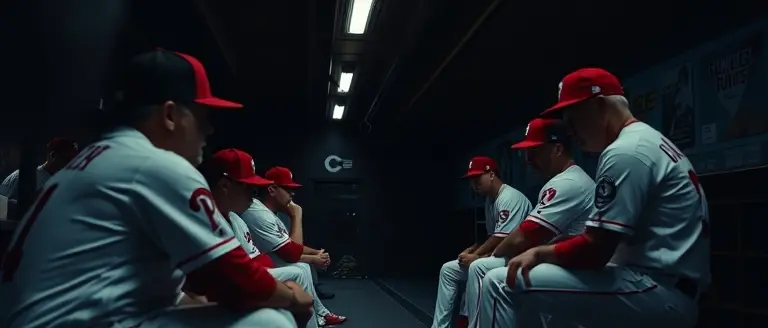
The 2026 season has proven to be a crucible for the Philadelphia Phillies, and at the center of the mounting scrutiny is Bryce Harper. As the team grapples with an inconsistent start that has fueled widespread speculation regarding coaching stability, Harper’s performance—marked by a .261 batting average—has become a lightning rod for debate. While fans often look for individual accountability, it is essential to distinguish between a genuine regression in talent and the ripple effects of a team-wide offensive malaise. The current data suggests that Harper’s struggles may be symptomatic of a deeper, systemic issue within the Phillies’ lineup, rather than a solitary decline of a franchise cornerstone.
Contextualizing the 2026 Offensive Climate
When analyzing Harper’s current statistics, several factors beyond his control must be considered. The Phillies as a unit have struggled to find rhythm, leading to increased pressure on top-tier hitters to “carry” the team during high-leverage situations. This environmental stress often forces elite hitters into aggressive plate approaches that deviate from their natural discipline. Notable observations regarding this trend include:
- Protective Lineup Gaps: The absence of consistent production behind Harper in the order has allowed pitchers to navigate around him, reducing the number of high-quality pitches he sees per at-bat.
- Psychological Load: As a team leader, the burden of the Phillies’ poor record often falls on veteran stars, potentially distracting from the technical focus required at the plate.
- The “Pressing” Effect: Evidence suggests that when a team is under-performing, star athletes often press to compensate for the team’s deficits, resulting in forced swings and a deviation from their established mechanics.
Ultimately, while Harper’s health—highlighted by his recent migraine-related exit—remains a concern, the evidence points toward a broader team-wide struggle. His dip in production is likely a reflection of the cumulative pressure of a season where the Phillies have failed to gain traction, rather than a definitive indication of his individual trajectory. As the season progresses, Harper’s return to form will likely hinge on the team’s ability to stabilize, rather than a sudden shift in his own capability.
Addressing Recent Fan Interactions and Media Scrutiny
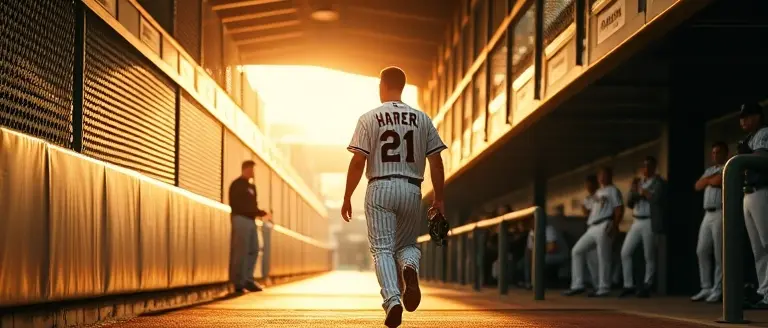
The intense environment of Citizens Bank Park often amplifies every gesture made by franchise leaders, and recent weeks have seen Bryce Harper at the center of a growing media storm. Following a viral incident involving a fan after a strikeout by teammate Bryson Stott, scrutiny regarding Harper’s temperament and leadership has intensified. In the high-pressure Philadelphia sports market, where the Philadelphia Phillies have faced a rocky start to the 2026 season, any display of frustration from a star player is quickly parsed for deeper meaning. However, experts suggest that viewing these interactions in isolation ignores the cumulative psychological burden placed on players when both individual performance and team results fall short of expectations.
Contextualizing Performance and Pressure
When a veteran like Harper experiences a statistical slump—evidenced by his recent batting average of .261—the threshold for public patience often narrows. The frustration observed in his recent on-field interactions reflects the reality of a team struggling to find its rhythm during a turbulent campaign. Key factors influencing this narrative include:
- The Philly Market Effect: Philadelphia’s passionate fanbase demands accountability, which often translates to hyper-focus on the body language of team captains during losses.
- Team-Wide Struggles: With discussions swirling regarding the job security of manager Rob Thomson, the collective anxiety of the clubhouse is palpable and often manifests in heightened on-field sensitivity.
- The Burden of Expectation: As a marquee signing, Harper is inherently shielded from less criticism than his peers, meaning his reactions to game events are viewed as a barometer for the entire roster’s morale.
Ultimately, while social media narratives often lean toward sensationalism, the reality remains that professional athletes navigate intense, high-stakes environments that can occasionally lead to moments of raw, unfiltered emotion. Distinguishing between a player’s competitive drive and a lack of professionalism is essential for fans and analysts alike, especially as the Phillies look to navigate a difficult stretch of the season. Balancing this intense public oversight with the physical reality of recurring health concerns—such as the migraine that forced his early exit against the Colorado Rockies—is the primary challenge for Harper as he seeks to regain his form.
Elevating Your Mental Performance Under Pressure
Bryce Harper’s recent health setback serves as a stark reminder that even the world’s elite athletes are not immune to the debilitating effects of cognitive fatigue and migraine-induced mental fog. Whether you are navigating the high-stakes environment of professional sports or the daily demands of a modern career, the ability to maintain unwavering focus when physical or psychological pressures mount is the ultimate separator between good and great.
This is where the science of neurological support becomes vital. Just as athletes refine their physical technique, modern neuroscience allows us to optimize our cognitive state. The Brain Song offers a non-invasive, auditory-based solution designed to cut through the noise of mental fog, providing the same type of neurological clarity and recovery that allows performers to stay sharp when the stakes are at their absolute highest.
By integrating the latest in auditory neuroscience, you can reclaim your focus and sustain your performance levels, regardless of the stressors you face. Don’t let mental fog compromise your potential. Embrace the science of high-performance recovery and sharpen your edge starting today.
 Reclaim your mental edge and combat brain fog with the same focus-driven approach that champions use—learn more about the science behind The Brain Song today.Yes, I Want This Now!