
On May 8, 2026, the silence finally shattered. With the launch of war.gov/ufo, the U.S. Department of Defense unsealed a massive, historic cache of documents, marking the most significant transparency effort regarding Unidentified Anomalous Phenomena (UAP) in decades. From 1948 military logs to long-buried files concerning the Apollo missions, these records are a goldmine for the dedicated truth-seeker—provided you can navigate the bureaucracy, the redactions, and the overwhelming volume of technical data. The public discourse is currently a storm of sensationalized speculation, yet the true story lies hidden within the pages that most mainstream outlets are too fatigued to analyze properly.
For those willing to look past the clickbait, the mission is clear: we must stop asking if aliens are real and start asking what the raw data actually dictates. This is an investigative challenge that demands more than casual interest; it requires the kind of analytical rigor usually reserved for professional intelligence analysts. To verify the facts against the noise, we have to move beyond the surface-level reports and engage in a meticulous, long-form synthesis of military history. Your journey into the heart of the UAP archives starts here, but be warned: the truth is rarely as simple as a headline, and finding it requires an unrelenting level of mental clarity.
The May 2026 Disclosure: Unlocking the Pentagon’s UAP Archive

On May 8, 2026, the U.S. Department of Defense fundamentally altered the landscape of aerial phenomena research by launching war.gov/ufo. Directed by the current administration to fulfill strict transparency mandates, this digital repository hosts the first major, declassified tranche of historical ufo files aliens data. By shifting away from decades of classified secrecy, the Pentagon has moved toward an institutional “make up their own minds” policy, effectively inviting the public and researchers to analyze raw historical data rather than relying on government-filtered summaries.
The scope of the released archive is unprecedented, spanning extensive military records from 1948 through the modern era. This comprehensive collection includes:
- Declassified Military Imagery: A vast array of black-and-white photographs and sensor logs documenting encounters over several decades.
- Apollo-Era Documentation: Highly anticipated files detailing unexplained aerial sightings recorded during the height of the 1960s space race and lunar missions.
- Historical Eyewitness Reports: Thousands of raw, transcribed accounts from military personnel and civilian pilots that provide ground-level perspectives on UAP sightings.
This disclosure represents a significant turning point in how the United States government handles Unidentified Anomalous Phenomena (UAP). While media outlets have rushed to sensationalize anecdotes—such as unverified claims of “mysterious deaths” or high-stakes informant memos—the core of the archive is a technical, often mundane, collection of records intended for rigorous investigation. By moving these documents into the public domain, the government has transitioned the conversation from speculative conspiracy theories toward a framework of institutional transparency. Researchers now have the opportunity to cross-reference these records with independent databases, shifting the focus from “are aliens real?” to a data-driven inquiry into the nature, trajectory, and frequency of these anomalous objects.
Data Over Speculation: Moving Beyond the ‘Alien’ Narrative
The launch of war.gov/ufo marks a pivotal shift in how the public interacts with historical UFO files and aliens-related documentation. While mainstream media outlets have frequently gravitated toward sensationalized headlines—such as anonymous claims of intimidation or conspiratorial fringe theories—the real value of this declassification effort lies in the raw technical data. By pivoting from speculative narratives toward rigorous analytical investigation, researchers and enthusiasts can finally utilize military records to establish a verifiable framework for identifying Unidentified Anomalous Phenomena (UAP). These documents provide unprecedented access to sensor data, flight path logs, and debris analysis that were previously siloed within classified government archives.
To move beyond the “alien” mythos, we must prioritize the technical context over the narrative of visitors from beyond. The current records offer a wealth of information that, when cross-referenced with independent databases, allows for a more disciplined study of the subject. When analyzing these historical files, observers should focus on the following core metrics:
- Flight Characteristics: Look for recurring data points regarding instantaneous acceleration and a lack of visible propulsion systems.
- Sensor Cross-Reference: Compare pilot eyewitness accounts against concurrent radar telemetry and infrared sensor logs found in the archives.
- Geographic Clustering: Utilize the newly released files to map sighting density, such as the localized clusters reported in Texas and Wisconsin, to determine if environmental factors or proximity to restricted military testing grounds correlate with these events.
- Technological Context: Examine the documents in relation to the aerospace capabilities of the 1940s through the 1970s to distinguish between unknown phenomena and potential clandestine Cold War technological developments.
Adopting this analytical lens does not diminish the importance of the Pentagon’s disclosure; rather, it elevates the conversation from myth-making to scientific inquiry. By systematically filtering the noise from the war.gov/ufo database, we can distinguish between authentic anomalies and mundane aerial errors. This data-driven approach respects the complexity of the files while fostering a more sophisticated understanding of the historical records that have remained hidden for decades.
Geographic Heat Maps: Identifying High-Activity UAP Zones
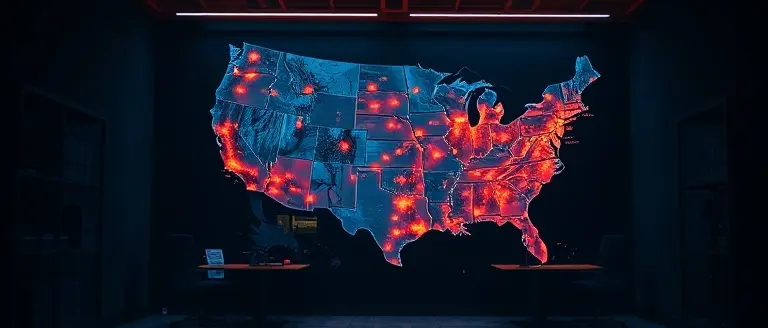
The declassified ufo files aliens repository hosted at war.gov/ufo reveals compelling geographic patterns that move beyond anecdotal claims. When plotting these historical sightings onto a heat map, researchers have identified distinct clusters, most notably within the borders of Texas and Wisconsin. Rather than implying extraterrestrial hotspots, these concentrations appear fundamentally linked to the proximity of sensitive military infrastructure, long-range testing facilities, and specialized aerospace research corridors. By cross-referencing these reports with historical Department of Defense land-use data, a clearer, more terrestrial picture emerges.
Decoding the Cluster Correlations
The high density of reports in specific regions often aligns with the periods of intense military technological advancement. Analysts studying the data suggest that many of these UAP sightings correlate with the following factors:
- Proximity to Defense Ranges: Texas, home to vast testing ranges and historical air force bases, shows a high volume of reports during peak eras of flight testing, suggesting that many observers likely witnessed experimental aircraft rather than extraterrestrial craft.
- Atmospheric and Navigational Corridors: Wisconsin and parts of the Midwest have historically served as transit paths for military flight training, increasing the likelihood of encounters with advanced, low-observable technologies.
- Infrastructure Sensitivity: Areas surrounding nuclear facilities and radar installations frequently appear in the declassified records, suggesting that these sites were subject to heightened surveillance and rigorous reporting protocols by military personnel.
When evaluating these ufo files, it is essential to prioritize the military context over sensationalist narratives. By stripping away the speculation, the data suggests that these heat maps are less of a guide to alien activity and more of a record of the evolution of American aerospace defense. Understanding the correlation between these geographical clusters and sensitive government installations is key to deciphering the technical and historical intent behind the recently released documentation.
Historical Context: Analyzing Apollo-Era Records and Cold War Patterns
The recent release of ufo files aliens documentation on war.gov/ufo has shed new light on the intersection between the space race and unidentified phenomena. Among the most intriguing disclosures are records from the Apollo moon missions, which document visual anomalies reported by astronauts during lunar transits. Rather than offering definitive proof of extraterrestrial visitation, these files provide a critical look at the technical limitations of 1960s imaging technology. Aerospace analysts are currently cross-referencing these logs with historical mission telemetry to determine if reported sightings were reflections, camera artifacts, or genuine incursions into the astronauts’ flight paths by unknown entities.
Declassifying the Cold War Archives
Historical classification of these documents was primarily driven by national security concerns regarding the Cold War. During the mid-20th century, the U.S. government prioritized protecting secrets related to high-altitude surveillance aircraft, such as the U-2 and A-12 programs. Many incidents filed as UAP were, in fact, observations of classified American experimental hardware. By separating these human-made patterns from truly anomalous data, researchers are finally constructing a clearer picture of historical aerospace encounters.
Key takeaways from the current analysis of these declassified records include:
- Technological Disambiguation: Discerning the difference between experimental atmospheric craft and potentially exotic propulsion systems.
- Geographic Correlation: Mapping sightings against known Cold War testing ranges in the American Southwest and Pacific corridors.
- Standardization of Reporting: Identifying the shift from anecdotal military debriefs to the modern, data-driven methodology found in the current UAP registry.
By contextualizing these records within the geopolitical tensions of the era, the public can better separate Cold War era military posturing from the genuine, unexplained aerial anomalies that persist in our skies today. This investigative approach is essential for moving beyond the sensationalism found in media headlines, allowing for a more objective, science-first evaluation of the data.
Mastering the Archives: Your Analytical Edge
The Pentagon’s release of these historical UAP files represents an unprecedented opportunity for transparency, but it is also a minefield of misinformation. As we move beyond the sensational headlines, the real work begins: the meticulous, objective cross-referencing of technical logs against known military and geological data. This is not merely about finding proof of life; it is about reclaiming history from the noise of conspiracy and bringing genuine scientific rigor to the public discourse.
However, sifting through thousands of pages of grainy, redacted military imagery and technical memos is an exercise in extreme cognitive endurance. The sheer volume of data can induce a mental fog that leaves even the most diligent researcher susceptible to missing crucial details or falling for false correlations. To maintain the sharp, analytical edge required to decode these documents, your brain needs more than just curiosity; it requires peak neurological support to filter out the static and focus on the cold, hard facts.
The Brain Song is engineered for exactly this type of high-level intellectual labor. By enhancing your mental clarity and suppressing the fatigue associated with deep-dive investigative work, it allows you to sustain focus for hours, ensuring that no discrepancy in the records goes unnoticed. When you are operating at your cognitive best, you don’t just read the files—you master them.
 Use The Brain Song to clear the mental fog and sharpen your focus before diving into your next deep-dive research session.Yes, I Want To Sharpen My Focus Now!