
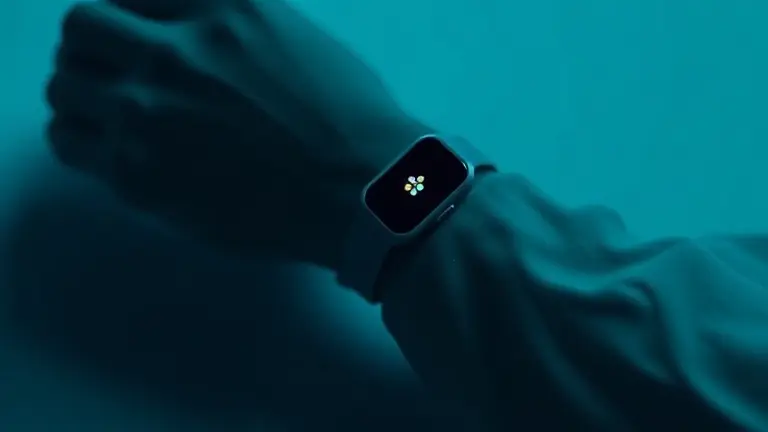
Google has officially shaken the foundations of the wearable industry with the unveiling of the Fitbit Air, a minimalist, screenless device designed for continuous, unobtrusive health monitoring. By stripping away the distractions of a traditional interface, Google is positioning the Air as a true “set-and-forget” tracker, promising a full week of battery life and a seamless transition toward passive wellness tracking. This launch arrives alongside a massive ecosystem pivot: the rebranding of the iconic Fitbit app to Google Health, which now integrates an advanced, Gemini-powered AI health coach designed to transform raw biometric data into actionable lifestyle insights.
While early adopters are buzzing about this shift toward discrete monitoring, the transition has raised critical questions regarding data privacy, legacy account integration, and how this hardware stacks up against established giants like the Oura Ring or WHOOP. As we bridge the gap between simple metric collection and deep AI-driven health optimization, the real question is how users can move beyond passive tracking to actually sharpen their mental acuity. As it turns out, the most effective way to leverage your new health data is to pair this hardware revolution with a specialized approach to cognitive performance.
The Fitbit Air Launch: Google’s New Vision for Passive Health Tracking
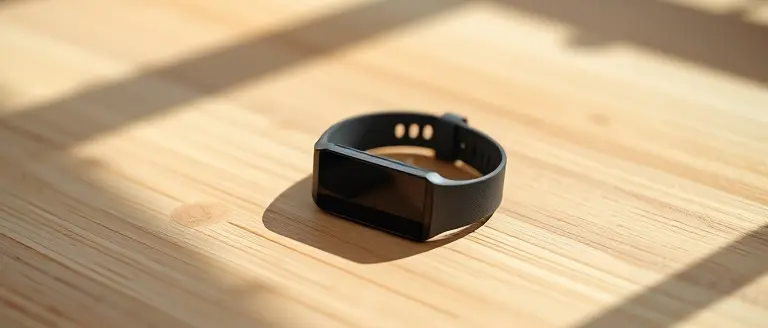
On July 5, 2026, Google officially redefined the wearable landscape by announcing the Fitbit Air tracker. This minimalist, screenless device represents a significant departure from traditional wrist-worn smartwatches, prioritizing an unobtrusive “set-and-forget” experience. Designed for users who desire continuous health monitoring without the constant distraction of notifications or screen interaction, the Fitbit Air focuses purely on physiological data collection. With a robust 7-day battery life, the device is engineered to remain on the user’s wrist consistently, ensuring high-fidelity data capture for sleep, heart rate variability, and activity levels.
A Unified Ecosystem: The Google Health Transformation
The arrival of the Fitbit Air is not a standalone hardware release but a cornerstone of a broader architectural shift within the Google ecosystem. Concurrent with the hardware launch, Google has officially initiated the transition of the legacy Fitbit application into the new Google Health platform. This move centralizes user data and signals a deeper integration between wearable hardware and Google’s artificial intelligence suite. By moving away from the Fitbit branding in software, Google aims to streamline its health services, offering a more cohesive experience that bridges the gap between passive sensor data and actionable wellness advice.
Gemini-Powered Health Coaching
Central to this new software paradigm is the debut of Gemini-powered health coaching. Unlike static, rule-based alerts found in previous iterations, this AI-driven assistant interprets the high-density data gathered by the Fitbit Air to provide personalized, context-aware insights. Key advantages of this integrated approach include:
- Proactive Insights: The AI analyzes long-term trends to offer suggestions on recovery, sleep optimization, and physical exertion.
- Seamless Data Continuity: Legacy Fitbit users can transition to Google Health, where their historical metrics are preserved and analyzed by the new AI engine.
- Discrete Interaction: By eliminating the screen on the Fitbit Air, Google encourages users to engage with their health data through the comprehensive Google Health dashboard rather than micro-managing metrics on the wrist.
This pivot toward passive, AI-assisted health management positions the Fitbit Air as a serious contender for users who value minimalist aesthetics combined with the sophisticated analytical power of Google’s latest machine learning technologies.
Fitbit Air vs. WHOOP vs. Oura Ring: Which Form Factor Wins?
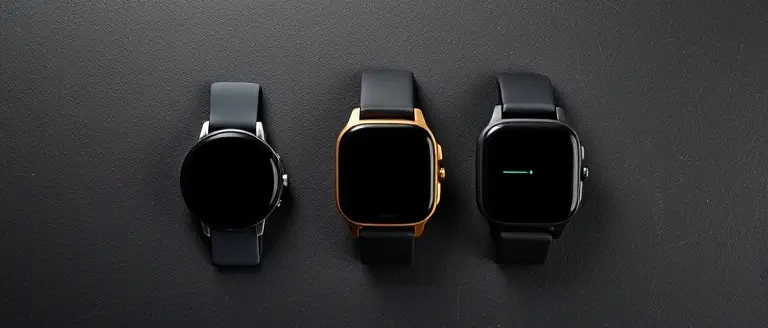
The emergence of the Fitbit Air has effectively disrupted the screenless wearable market, forcing a direct showdown with established incumbents like WHOOP and the Oura Ring. While all three devices prioritize passive, unobtrusive data collection, their value propositions differ significantly based on ecosystem integration and hardware form factor. The Fitbit Air positions itself as the “set-and-forget” solution, leveraging Google’s massive infrastructure to provide a more accessible entry point compared to the specialized, high-subscription models of its competitors.
Assessing the Competition
When evaluating the Fitbit Air vs. WHOOP vs. Oura Ring, the primary differentiator remains the user experience dictated by the software:
- Fitbit Air: Offers the most seamless integration for existing Android users. By moving into the Google Health ecosystem, the Air gains an immediate advantage through the new Gemini-powered AI health coach, which provides proactive, conversational insights rather than just static charts.
- WHOOP: Remains the gold standard for high-performance athletes who prioritize granular recovery and strain metrics. However, its mandatory, recurring subscription model is often a barrier for casual users who simply want to monitor daily wellness without the pressure of “coaching” algorithms that target peak athletic performance.
- Oura Ring: Continues to dominate the ring form factor, which is arguably more comfortable for sleep tracking than a wrist-worn band. While the Oura provides superior aesthetics and jewelry-like appeal, it lacks the broader Google integration that makes the Fitbit Air a compelling central hub for smart home and health data.
Ultimately, the choice between these devices depends on your specific needs. If your priority is deep-dive athletic training, WHOOP remains the leader. If you prefer a minimalist aesthetic for nighttime tracking, the Oura Ring is unrivaled. However, for the average consumer seeking a reliable, screenless tracker that benefits from the intelligence of the new Gemini-backed Google Health app, the Fitbit Air represents the most balanced and forward-thinking value proposition in the current market. Its ability to marry deep behavioral health data with a non-intrusive design makes it a serious challenger to the status quo.
The ‘Google Health’ App: Navigating the New Gemini Integration

The transition from the legacy Fitbit app to the new Google Health platform represents a fundamental shift in how users interact with their fitness data. With the launch of the Fitbit Air tracker, Google has moved away from static, number-heavy dashboards toward a streamlined, intelligence-first interface. Instead of forcing users to manually parse heart rate variability or sleep stage graphs, the new ecosystem leverages Gemini AI to act as a proactive health consultant. This shift is designed to accommodate the “set-and-forget” nature of the Fitbit Air, ensuring that continuous, background sensor data is transformed into a coherent, daily narrative rather than a collection of raw metrics.
Harnessing Gemini for Actionable Insights
The integration of Gemini into the Google Health app fundamentally changes the utility of wearable devices. Unlike traditional apps that provide periodic summaries, the Gemini-powered coach uses natural language processing to synthesize your health metrics into context-aware advice. Key functional improvements include:
- Contextual Synthesis: The AI correlates your Fitbit Air physical activity levels with your sleep quality and environmental stressors, offering suggestions that go beyond simple activity tracking.
- Predictive Coaching: Gemini identifies patterns in your health data that suggest impending fatigue or recovery needs, prompting you to adjust your routine before you experience burnout.
- Conversational Interface: Users can ask the app specific questions like, “Why is my recovery score lower than usual?” and receive a reasoned, data-backed response based on their historical trends.
- Privacy-First Data Handling: While the AI models are powerful, Google has emphasized that health data processed by Gemini remains strictly managed within the Google Health environment, addressing long-standing user concerns regarding account history and data security during this brand migration.
By moving the complexity from the user interface to the AI backend, Google Health empowers users to focus on behavioral change rather than data management. This approach ensures that even without a screen on your wrist, you remain more informed about your holistic health than ever before.
Community Sentiment: First Impressions and Early User Feedback

The launch of the Fitbit Air tracker has ignited a firestorm of discussion across social media platforms like Reddit and X, as users react to Google’s bold pivot toward a minimalist, screenless ecosystem. Early adopters are highlighting the device’s physical design as its primary win; many reviewers note that the Fitbit Air is arguably the most comfortable tracker to date, specifically for sleep tracking. Its low profile and lightweight construction eliminate the bulkiness that often made legacy wrist-worn trackers intrusive during nighttime use.
Initial Reception of Google Health and Gemini Integration
While the hardware has received high marks, sentiment regarding the software transition is mixed. Users are still adjusting to the rebranding of the Fitbit app to Google Health. Common feedback points include:
- App Interface: Long-time Fitbit loyalists express both curiosity and apprehension regarding the new Google Health dashboard, with many reporting that the transition feels cleaner but slightly less data-dense than the previous interface.
- Gemini AI Coach: Early testers are actively putting the Gemini-powered health coach through its paces. Initial reports suggest the AI provides more personalized, actionable suggestions rather than simple data dumps, though some power users are waiting for longer-term data trends to confirm its accuracy.
- Privacy Concerns: A recurring theme in online forums involves data privacy. Users are vocal about wanting transparency regarding how their historical legacy data is being integrated into the new Google infrastructure.
Overall, the community is cautiously optimistic. While the shift away from screens represents a radical departure from traditional hardware, the integration of Gemini-powered AI coaching appears to be a major selling point. As the first 48 hours of public availability come to a close, the focus has shifted from the initial “shock” of the minimalist design to a granular evaluation of how effectively the Google Health ecosystem can turn passive tracking into meaningful health outcomes.
Elevate Your Cognitive Performance Beyond the Data
The Fitbit Air represents a bold leap toward effortless, screenless health tracking, but data alone is merely a map of where you stand. While the new Gemini-powered coach provides the diagnostics, the true value lies in how you proactively respond to those insights to optimize your daily focus. If you are serious about transforming your passive wellness stats into an active, high-performance lifestyle, you need a tool that operates on the same frequency as your biology.
This is where The Brain Song bridges the gap between hardware tracking and mental mastery. Just as the Fitbit Air works in the background to monitor your body, The Brain Song utilizes neuroscience-based auditory stimulation to sharpen your mental clarity and combat the daily brain fog that often stifles productivity. By integrating this auditory solution with your new health coach, you aren’t just observing your recovery metrics—you are actively accelerating your cognitive potential.
While your wearable captures the data, The Brain Song acts as the catalyst for your peak mental state, making it the perfect cognitive companion for your new tracker. Now is the time to bridge the gap between tracking your life and truly optimizing it.
 Complement your new AI health coach with The Brain Song to proactively sharpen your focus and reach your peak cognitive potential.Transform My Mental Clarity Today