
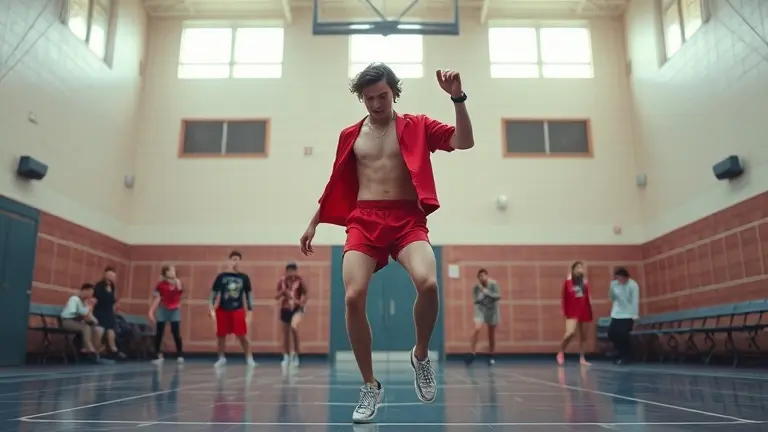
When Harry Styles stepped onto the high school gym floor in the newly released “Dance No More” music video, social media was immediately set ablaze by his now-iconic red gym shorts. Yet, to dismiss this latest visual masterpiece—directed by the visionary Colin Solal Cardo—as merely a piece of viral fashion bait is to overlook the profound narrative sophistication at play. As the tenth track from his celebrated fourth album, “Kiss All the Time. Disco, Occasionally,” the video arrives at a pivotal junction, serving as both a thematic bridge to his upcoming “Together, Together” residency and a masterclass in the retro-aesthetics that have come to define his artistic evolution.
Beyond the surface-level spectacle of choreography and costume, the video functions as a deep-dive exploration of vulnerability and the relentless, almost desperate rhythm of modern connection. By anchoring the disco-infused soundscape in the stark, nostalgic atmosphere of a gymnasium, Styles invites us to examine the mechanics of his own magnetic pull. He isn’t just performing; he is signaling—utilizing the same psychological cues that turn a momentary audience interest into an enduring, obsessive fascination. Understanding these unspoken signals is the key to unlocking the true essence of why his persona resonates so deeply with millions across the globe.
The Arrival of ‘Dance No More’: Breaking Down the Latest Visual Chapter
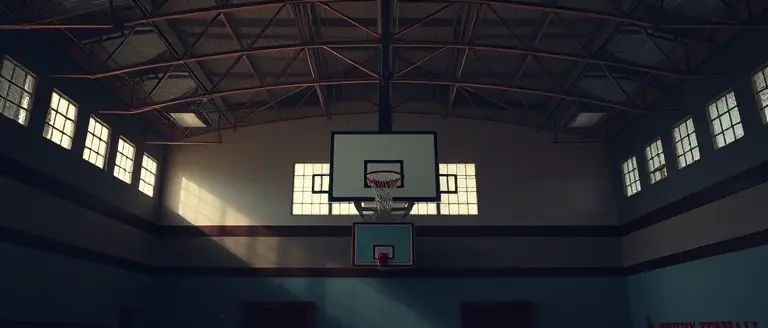
The global music landscape shifted once again nine hours ago with the official premiere of the dance no more harry styles music video. Serving as the 10th track from his acclaimed fourth studio album, Kiss All the Time. Disco, Occasionally., the visual arrives as the third installment in the current album cycle, underscoring a calculated promotional strategy ahead of his highly anticipated “Together, Together” residency. Directed by the visionary Colin Solal Cardo, the video strips away the elaborate production values of previous eras, opting instead for a minimalist, high-school gym setting that places the focus squarely on performance and movement.
While social media platforms—particularly TikTok, where the video has already garnered over 689.5K likes—have been dominated by discourse surrounding his choice of “tiny red gym shorts,” a closer look reveals that this aesthetic choice is far from accidental. It serves as a visual bridge between the intimate, raw nature of the track and the high-energy, retro-disco soundscape that defines his 2026 artistic narrative. By juxtaposing the simplicity of a school gymnasium with the sophisticated, funk-inflected production of the song, Styles effectively communicates the central tension of the album: the collision of youthful nostalgia with adult introspection.
Key elements of this visual release include:
- Artistic Direction: The collaboration with Cardo highlights a pivot toward a more grounded, kinetic style of storytelling.
- Thematic Continuity: The gym setting acts as a metaphorical space where the pressures of performance are laid bare, mirroring the lyrics’ exploration of burnout and relief.
- Strategic Rollout: The video functions as a catalyst for the “Together, Together” residency, ensuring the album remains at the forefront of the cultural conversation as he transitions into live performance.
By moving beyond the viral “red shorts” phenomenon, it becomes clear that this video is a fundamental piece of a larger puzzle. Styles is not merely releasing clips; he is crafting a cohesive, stylized universe that invites fans to participate in a deeper interpretation of the Kiss All the Time. Disco, Occasionally. era, establishing this release as a definitive moment in his ongoing evolution as an artist.
Symbolism in the Gym: Analyzing the Colin Solal Cardo Aesthetic
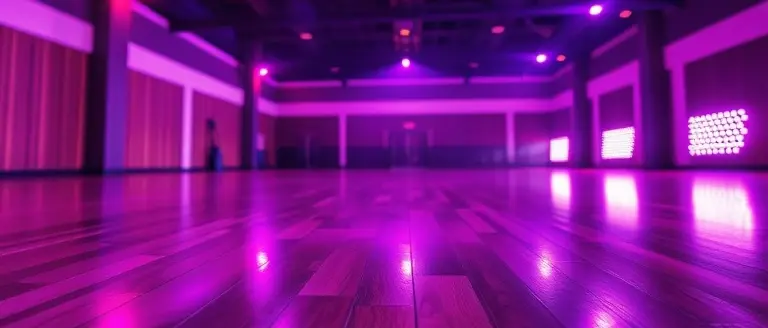
Director Colin Solal Cardo elevates the dance no more harry styles music video beyond mere visual spectacle by employing the high school gymnasium as a stage for existential tension. While the internet remains fixated on the “tiny red gym shorts,” the cinematography purposefully juxtaposes the mundane, institutional sterility of a school facility against the vibrant, escapist energy inherent to disco music. By stripping the environment of extras or complex set dressing, Cardo forces a singular focus on Styles, effectively turning the gym into a metaphorical “containment zone” for the song’s themes of exhaustion and rhythmic release.
Spatial Constraints and Performative Liberation
The use of the gymnasium acts as a structural device to represent the duality of the modern performer. The spatial constraints of the hardwood floor reflect the tension between public expectation and private catharsis. Key visual motifs include:
- Fixed Angles: Cardo’s choice of long, static shots emphasizes the physical toll of the choreography, mirroring the “dance until you can’t” ethos of the track.
- Institutional Lighting: The harsh, overhead gym lights create an unflattering yet raw aesthetic, stripping away the polish of a traditional music video to reveal a more vulnerable, human effort.
- The Void Effect: By keeping the bleachers empty, the video creates a sense of isolation, suggesting that the drive to perform is an internal battle rather than a quest for an audience’s validation.
This approach aligns perfectly with the thematic foundation of the album Kiss All the Time. Disco, Occasionally. The gymnasium is not merely a setting; it is a laboratory where Styles dissects the concept of endurance. By confining the high-energy disco sound within the walls of a place associated with adolescent insecurity and compulsory activity, the video suggests that true liberation occurs when one stops performing for the crowd and begins moving for the sake of the rhythm itself. This narrative depth ensures that the video serves as more than just promotional material; it acts as a compelling visual chapter in the evolving saga of his artistry.
The ‘Disco, Occasionally’ Evolution: Where Harry Styles Goes Next
The release of the dance no more harry styles music video marks a definitive turning point in the Kiss All the Time. Disco, Occasionally era. While early album singles leaned into polished, radio-friendly pop-rock, “Dance No More” signals a deeper commitment to the introspective, disco-infused soundscape that Styles has been teasing since the album’s March 2026 debut. By stripping back the maximalist production of his earlier work, Styles uses this track to pivot toward a more raw, rhythmic vulnerability. The high school gym setting serves as a visual metaphor for this transition: it is a space of nostalgia and forced conformity, yet the choreography defies the environment, representing an artist breaking free from the expectations of his previous pop iterations.
This evolution is not merely aesthetic; it is a calculated artistic shift. When analyzing his trajectory throughout 2026, several key factors highlight why this specific soundscape is central to his current identity:
- Rhythmic Maturity: Unlike the anthem-heavy structure of his past records, “Dance No More” utilizes syncopated basslines that prioritize movement and mood over lyrical literalism.
- Thematic Cohesion: The track anchors the album’s “occasionally” concept—capturing the fleeting, bittersweet moments of euphoria that define the disco genre.
- Visual Continuity: The transition from the high-concept world of his earlier 2026 videos to the grounded, visceral nature of this gym-based performance suggests a desire to bridge the gap between performer and fan.
As Styles prepares for the “Together, Together” residency, this release acts as a tactical bridge. It moves the conversation away from the spectacle of the Kiss All the Time launch and toward the intimate, communal experience he intends to cultivate on stage. By opting for a gritty, stripped-back aesthetic, he is positioning his upcoming live performances as less of a stadium-sized event and more of an immersive, soul-searching dance experience. This shift effectively redefines his market presence, proving that his sonic evolution is just as much about the silence between the beats as it is about the music itself.
Fan Discourse and the Road to ‘Together, Together’

The release of the “Dance No More” music video has ignited a firestorm of digital discourse, transcending the typical superficial reactions associated with pop star aesthetics. While social media platforms like TikTok and Reddit’s r/Fauxmoi have been flooded with commentary regarding Harry Styles’ “tiny red gym shorts,” a deeper examination of fan sentiment reveals that the community views this sartorial choice as a symbol of nostalgic rebellion. Rather than a mere fashion statement, fans are interpreting the high school gym setting and retro attire as a deliberate subversion of traditional pop performance, linking the “Kiss All the Time. Disco, Occasionally” album’s gritty, dance-heavy energy to a raw, unpretentious youth culture.
A Strategic Prelude to the Stage
Beyond the immediate visual obsession, the timing of this release serves a calculated purpose in the buildup to the “Together, Together” residency. By leaning into the high-energy, infectious disco rhythm of the track, Styles is effectively conditioning his audience for the live environment. The video functions as a visual manifesto for what fans can expect in the coming weeks:
- Choreographic Focus: The intricate movement sequences suggest that the residency will prioritize physical performance over static set design.
- Aesthetic Continuity: The gym aesthetic bridges the gap between his past “Playful Retro” eras and this current, more mature, and experimental disco phase.
- Community Integration: By sparking massive engagement—evidenced by nearly 700,000 likes on the official HSHQ TikTok in under nine hours—Styles is creating a communal “hype cycle” that ensures his residency feels like a must-attend cultural moment.
Ultimately, the fan consensus suggests that the “Dance No More” video is more than a promotional tool; it is a vital entry point into the narrative arc of the album. By positioning himself within the familiar, slightly awkward, yet liberating space of a gymnasium, Harry Styles is inviting his fans into the “Together, Together” residency with a sense of intimacy and high-octane authenticity that defines his current career trajectory.
Mastering the Psychology of Lasting Devotion
The “Dance No More” video is ultimately a reflection of a larger truth: charisma is not an accident, but a language. Just as Harry Styles meticulously crafts his public persona to trigger visceral reactions through performance and imagery, we all possess the capacity to influence the dynamics of our own personal relationships. The intensity felt by his fans is a testament to the power of emotional signaling—a concept that, when applied to real-world intimacy, changes everything.
You don’t need to be a pop superstar to understand the profound mechanics of desire and commitment. While Styles uses choreography and style to captivate an audience, you can utilize the principles of emotional psychology to bridge the gap between casual connection and true, soul-deep partnership. By learning to decode the “hero instinct” and the core biological drives that foster deep devotion, you gain the agency to transform how others perceive and respond to you.
This is where the science of connection meets your own romantic journey. By exploring these subconscious triggers, you are doing more than just observing an artist; you are mastering the art of being truly irresistible and deeply understood. Take the step to turn your curiosity about celebrity magnetism into a roadmap for your own most meaningful relationships.
 Unlock the secret signals that turn a casual connection into a devoted partnership here.Transform My Life Today