
The Citizens Bank Park mound carries a weight that few prospects ever truly comprehend, but for Andrew Painter, the pressure is compounded by the high-stakes narrative of a prodigy returning from Tommy John surgery. As of May 2026, the Phillies’ most anticipated arm is no longer a theoretical force; he is a tangible, evolving presence navigating the volatile reality of a rookie major league season. After a recent start against the Oakland Athletics, the discourse has shifted from pure scouting hype to the technical and psychological nuances of his recovery. This is not merely about velocity or breaking ball spin rates—it is about the grueling, real-time learning curve of a pitcher adjusting his physical mechanics while recalibrating his mental approach to the highest level of competition.
The tension between Painter’s undeniable, elite potential and the unavoidable inconsistencies of his early starts is the defining story of the Phillies’ season. With the franchise’s championship window wide open, the organization is looking to their young ace to stabilize the rotation. Yet, bridging the gap from AAA Lehigh Valley to becoming a consistent MLB rotation piece requires more than just arm strength. It demands a level of cognitive endurance and mental clarity that allows a young athlete to process complex scouting reports, adapt his pitch mix on the fly, and maintain unwavering focus despite the intense scrutiny of a fan base desperate for their next homegrown superstar.
Andrew Painter’s Debut Era: Navigating the Phillies’ Next Chapter
As of May 2026, the transition of Andrew Painter from the AAA Lehigh Valley IronPigs to the Philadelphia Phillies rotation stands as the most scrutinized development project in Major League Baseball. Long heralded as the “next great player for the franchise,” Painter’s ascent is defined by the tension between his massive physical ceiling and the reality of overcoming significant health hurdles, most notably his return from Tommy John surgery. While his talent is undeniable, his debut era is characterized by an inevitable rookie learning curve that has produced both flashes of dominance and periods of vulnerability on the mound.
Assessing the Current Form
Painter’s recent performance, including a high-stakes outing against the Oakland Athletics, serves as a critical baseline for his big-league adjustment. Analysts have noted that while his stuff remains electric, his efficiency has been hindered by a tendency to give up the long ball—an area of concern following his 2025 development phase where he surrendered 20 homers in 118 innings. To secure a permanent foothold in the athletics – phillies rotation, he must refine his command and sequence pitches more effectively against seasoned hitters who are currently exploiting his tendency to fall behind in counts.
Key focal points for his 2026 campaign include:
- Pitch Mix Refinement: Transitioning from “power-first” pitching to a more strategic approach that leverages his complete arsenal.
- Durability and Recovery: Monitoring his arm health and stamina as he handles a full MLB workload for the first time post-surgery.
- Emotional Consistency: Navigating the immense pressure of the Philadelphia sports media and fan base while managing the volatility of his high ERA.
Ultimately, the Phillies are managing a delicate balance. The organization views Painter as a cornerstone for their long-term championship window, but his current usage reflects a cautious approach. Whether he can find the necessary consistency to stabilize the middle of the rotation will be the definitive narrative of the Phillies’ 2026 season.
The Road Back: Overcoming the Tommy John Hurdle
The journey of Andrew Painter from a top-tier prospect to a solidified presence in the Philadelphia Phillies rotation is defined largely by his resilience following Tommy John surgery. For any young pitcher, the procedure is a daunting physical and mental barrier, but for a prospect carrying the weight of being the “next great player for the franchise,” the rehabilitation process serves as a crucible. Recovering from such a significant injury requires more than just clinical physical therapy; it demands a psychological restructuring of how a pitcher approaches their own mortality on the mound. Evidence suggests that Painter’s development during his transition from the AAA Lehigh Valley level was not merely about regaining velocity, but about building the professional maturity necessary to navigate the high-leverage situations he faces today.
Building Mental Grit and Professional Maturity
The reality of returning to elite form involves an arduous, systematic workload that tests even the most disciplined athletes. Painter’s approach since his return highlights several key areas of growth:
- Patience in Execution: Having faced the prospect of a sidelined career, Painter demonstrates a calculated demeanor when managing high-stress innings, such as his recent performance against the Marlins where he struck out the side after loading the bases.
- Adaptive Pitching: The transition from the minor leagues to the majors has necessitated a refinement of his pitch mix to counter major league hitters who are far more adept at identifying mistakes.
- Physical Monitoring: Maintaining health remains the primary priority, with the Phillies organization carefully balancing his usage to ensure long-term sustainability throughout this pivotal 2026 season.
By overcoming this major medical hurdle, Painter has gained an intangible edge—a deep-seated understanding of his own mechanics and limits. While his rookie year has presented a steep learning curve, including volatility in his ERA and struggles with the long ball, the core of his game remains anchored in his hard-won physical foundation. For the athletics staff and fans alike, this history of adversity is what informs the cautious optimism surrounding his future. His ability to withstand the pressure of elite MLB competition, despite the early bumps in the road, proves that the mental fortitude forged during his rehab has successfully translated to the big-league stage.
Performance vs. Potential: Decoding the Rookie Learning Curve
The arrival of Andrew Painter in the big leagues has been met with a mixture of immense anticipation and the sobering reality of professional baseball. While his raw “stuff”—highlighted by a high-velocity fastball and a sharp breaking ball—remains elite, the transition from AAA Lehigh Valley to the Philadelphia Phillies rotation has underscored the volatility inherent in rookie development. Following his return from Tommy John surgery, Painter is effectively navigating two distinct challenges: the physical demands of high-leverage MLB innings and the mental transition required to succeed against the world’s most disciplined hitters.
Understanding the Rookie Volatility
Consistency remains the primary hurdle for the young right-hander. Data from his 2025 development phase showed a tendency to surrender home runs, a trend that has occasionally resurfaced during his early 2026 appearances. Experts note that even top-tier prospects often fall victim to the “learning curve” during their first full season:
- Pitch Sequencing: Adjusting from minor league patterns to big-league hitters who exploit small mistakes in pitch location.
- Workload Management: Monitoring pitch counts and fatigue levels as he builds back stamina post-surgery.
- Adaptability: Learning to recover after a rough inning, such as his impressive ability to strike out the side after loading the bases during his recent outing against the Marlins.
The tension between Painter’s “prodigy” status and his current ERA is a common narrative in athletics. For athletics – phillies fans, it is vital to remember that his development is a marathon, not a sprint. His ability to maintain composure under pressure—demonstrated in recent games against the Oakland Athletics—suggests the foundational mental fortitude necessary for a long-term ace. While his metrics may fluctuate throughout this season, the Phillies’ commitment to his growth is a clear indicator that the organization views him as a cornerstone of their championship window. By balancing his high-upside potential with the patience required for a rookie, the franchise is positioning Painter to become a steady, reliable force on the mound.
Adjusting the Arsenal: Real-Time Insights into Painter’s Pitch Mix
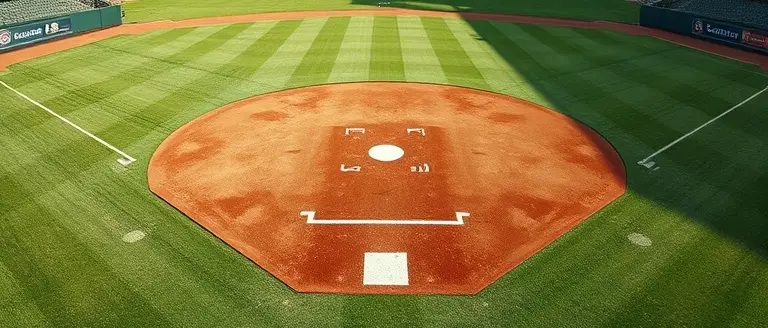
As Andrew Painter navigates his transition from AAA Lehigh Valley to the bright lights of the majors, the primary focus for the Philadelphia Phillies coaching staff has been the refinement of his pitch repertoire. Early-season data from his recent outings, including a gritty performance against the Oakland Athletics, highlights a deliberate pivot in how he sequences his offerings. After recovering from Tommy John surgery, Painter is not merely relying on the raw velocity that made him a top prospect; he is actively learning to locate his fastball more effectively to mitigate the high home run rate he experienced during his 2025 development phase.
Strategic Adjustments and Velocity Profiles
Evidence suggests that Painter is currently undergoing a “learning curve” that involves shifting away from a four-seam heavy approach toward a more diversified attack. By integrating his secondary pitches—specifically his high-spin slider and deceptive changeup—earlier in the count, he is aiming to keep big-league hitters off-balance. Observations from his recent appearances indicate the following tactical shifts:
- Elevated Fastball Usage: Painter is experimenting with elevated heat to induce pop-ups rather than relying on ground-ball contact, a strategy necessitated by his current adjustment to the league’s power hitters.
- Secondary Pitch Sequencing: He is increasingly leaning on his off-speed pitches in 1-1 and 2-1 counts to avoid predictable patterns that lead to the long ball.
- Strike Zone Command: His recent ability to “strike out the side after loading the bases” against the Marlins underscores his growing confidence in throwing high-leverage pitches when under pressure.
While his ERA remains a point of contention among critics, the underlying metrics suggest that Painter’s ability to refine his pitch mix is a work in progress. For the Phillies, the priority remains balancing his immense potential with the physical demands of his post-surgery return. As he continues to gain experience, the league should expect further refinements in his velocity profiles and a more sophisticated approach to attacking the edges of the strike zone.
Mastering the Mental Game of Recovery
The journey Andrew Painter is undertaking illustrates a fundamental truth for every elite performer: physical mechanics are only as effective as the mind that directs them. Whether it is adjusting to the tighter strike zones of the MLB or recovering from the anxiety of a significant injury, the ability to maintain cognitive sharpness under fire is what separates good players from generational talents. As Painter continues to refine his approach, his success will rely heavily on his capacity to process high-level adjustments in real-time, effectively turning raw potential into calculated, consistent dominance on the mound.
Just as Painter is fine-tuning his physical mechanics, his peak performance depends on the mental acuity required to process complex strategies in high-stakes environments. Many elite performers are now turning to auditory cognitive support to bridge this gap, utilizing non-invasive tools to sharpen focus and accelerate learning. The Brain Song offers exactly that kind of competitive edge, providing the mental clarity and resilience needed to overcome the noise of a long rookie campaign and the lingering mental hurdles of injury recovery.
By integrating this approach into your own routine, you can emulate the dedication to mental optimization that separates those who merely compete from those who excel. Whether you are an athlete or a high-achiever looking to maintain peak cognitive endurance under immense pressure, the path to consistency begins with how you train your brain to react. Optimize your own performance and cognitive endurance with the same principles used by high-achievers to stay focused under pressure—click here to try The Brain Song.
 Optimize your own performance and cognitive endurance with the same principles used by high-achievers to stay focused under pressure—click here to try The Brain Song.Transform My Mental Performance Now!