
The 2026 NBA Western Conference Semifinals have officially caught fire, and the aftermath of Game 1 has left the basketball world buzzing. With the Oklahoma City Thunder dispatching the Los Angeles Lakers in a dominant 108-90 victory, the narrative has shifted immediately to the adjustments required for LeBron James and his squad to survive this series. Chet Holmgren was the clear protagonist of the opener, posting a clinical 24-point double-double that proved the defending champions are not planning on yielding their throne without a fight.
For Lakers fans and serious analysts alike, the challenge now lies in deciphering the tactical blueprint behind the Thunder’s interior dominance. As we pivot toward Game 2, the conversation centers on whether Los Angeles can solve the Holmgren-led defensive frontcourt or if the Thunder’s tactical rigidity will continue to stifle their offensive flow. Success in this high-stakes environment requires more than just passion; it demands a deep, razor-sharp understanding of defensive schemes, player-vs-player performance metrics, and the relentless speed at which modern NBA playoff basketball is played.
Game 1 Recap: The Thunder Statement and Holmgren’s Dominance
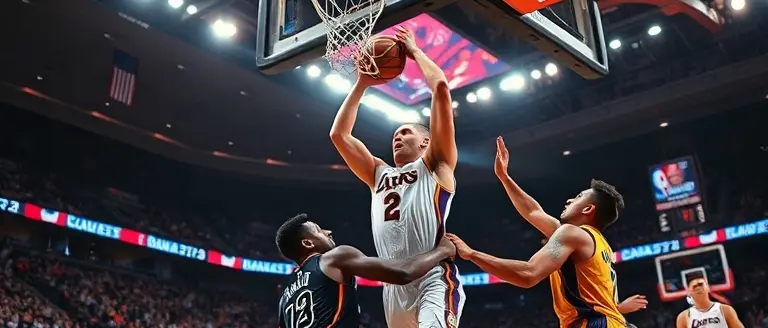
The 2026 Western Conference Semifinals opened with a resounding message from the defending champions, as the Oklahoma City Thunder dismantled the Los Angeles Lakers in a 108-90 victory on May 5. From the opening tip, the thunder vs lakers matchup showcased a stark contrast in defensive intensity. While LeBron James managed to lead the Lakers’ scoring efforts with 27 points, the lakers vs okc narrative was largely defined by the Thunder’s ability to clog the paint and neutralize Los Angeles’ interior rhythm. Oklahoma City’s defensive rotations forced the Lakers into difficult perimeter shots, effectively stifling their offensive flow and holding them well under the century mark.
The Rise of Chet Holmgren
At the heart of this commanding performance was Chet Holmgren, whose two-way dominance proved too much for the Lakers’ frontcourt to handle. Holmgren delivered a statement performance, securing a 24-point double-double that underscored his evolution into one of the league’s most impactful big men. His influence went beyond the box score; his length significantly altered shot trajectories in the lane, forcing the Lakers to settle for low-percentage mid-range jumpers throughout the contest.
Key takeaways from the lakers vs oklahoma city thunder match player stats reveal:
- Interior Defense: Holmgren’s presence limited the Lakers’ efficiency near the rim, forcing them to abandon their high-percentage interior scoring game.
- Defensive Versatility: The Thunder successfully deployed a switchable defensive scheme that disrupted passing lanes, resulting in 16 Lakers turnovers.
- Efficient Execution: Oklahoma City maintained a disciplined offensive pace, rarely allowing the Lakers to transition into their preferred fast-break scenarios.
This okc vs lakers opener demonstrated that Oklahoma City is not just reliant on high-octane scoring but is capable of winning through elite, physical defense. As the series progresses, the onus is now on the Lakers to make drastic tactical adjustments to counter the defensive wall built by Holmgren and the rest of the Thunder frontcourt.
Lakers Defensive Adjustments: Solving the Holmgren Conundrum
The Lakers vs. Thunder series opener exposed significant vulnerabilities in Los Angeles’ defensive scheme, specifically regarding the unique gravitational pull of Chet Holmgren. To force a split in Oklahoma City, the Lakers must abandon the traditional drop coverage that allowed Holmgren to dominate the interior and operate with space on the perimeter. Tactical analysis from Game 1 suggests that Los Angeles’ inability to contain the pick-and-pop action led to an offensive rhythm that kept the Thunder vs. Lakers momentum firmly in the host’s favor. For Game 2, defensive coordinators are expected to prioritize high-blitz schemes to force the ball out of Holmgren’s hands and into the perimeter where the Lakers’ veteran length can better recover.
Strategic Shifts for Game 2
To neutralize the 24-point double-double threat of Holmgren, the Lakers need to implement the following defensive adjustments:
- Fronting the Post: By denying entry passes to Holmgren, the Lakers can force the Thunder’s primary playmakers into secondary options, effectively slowing the fluid transition offense that plagued the Lakers in the first half of Game 1.
- Small-Ball Rotations: Evidence suggests that deploying a more mobile frontcourt will allow the Lakers to switch screens more effectively, preventing mismatches that left perimeter shooters open during the Lakers vs. OKC blowout.
- Transition Discipline: The Thunder’s elite pace relies on long rebounds; the Lakers must emphasize crash-the-glass discipline, ensuring their wings are prepared to stop the ball early rather than hunting for individual defensive rebounds.
- Perimeter Coverage: Veterans must tighten the gap on shooters to prevent open-look kickouts, which occur frequently when the defense collapses too far into the paint to shadow Holmgren.
Ultimately, the goal for Los Angeles is to dictate the tempo. By forcing the Oklahoma City Thunder to play a half-court, physical grind, the Lakers can mitigate the impact of the league’s most dynamic young big man and shift the pressure back onto the defending champions before the series returns to L.A.
Predictive Modeling and Series Outlook
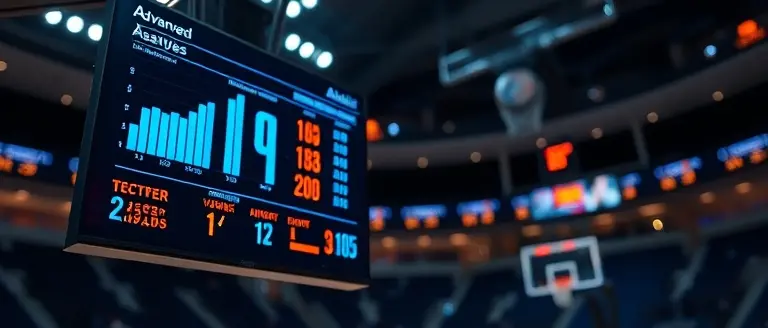
The decisive 108-90 victory for the Oklahoma City Thunder in Game 1 has significantly shifted the series outlook, forcing analysts to re-evaluate the lakers vs thunder dynamic. Predictive models currently favor the defending champions, as the thunder vs lakers matchup highlights a stark disparity in interior defensive efficiency. While LeBron James managed an impressive 27-point effort, the lakers vs okc series metrics indicate that the Lakers struggled to establish a rhythm against the rim protection anchored by Chet Holmgren. Statistical models now suggest that unless the Lakers can improve their spacing and perimeter shooting, the probability of them reclaiming home-court advantage remains low.
Adjustments and Statistical Trends
Moving into Game 2, the primary question is whether the Lakers can force a deviation from the established trend. Predictive modeling suggests several key areas where the Lakers must improve to force parity:
- Interior Scoring Efficiency: The Lakers must diversify their attack, as relying on high-traffic drives proved fatal against the length of the Thunder frontcourt in Game 1.
- Perimeter Containment: Defense was a primary failure point; the Lakers need to rotate faster to mitigate the Thunder’s high-volume three-point shooting.
- Adjustment Capacity: Historically, teams coached by veteran staffs tend to bounce back following a blowout, but the okc vs lakers statistical gap is currently anchored by superior defensive rotations.
The current outlook suggests that if the Lakers fail to neutralize the impact of Chet Holmgren in the paint, the series could trend toward a quick exit. However, if they successfully pivot to a more guard-oriented perimeter game, predictive models show a narrow path toward splitting the series before it shifts venues. Fans looking for the latest lakers vs oklahoma city thunder match player stats should keep a close watch on the efficiency ratings from the next outing to see if the Lakers’ mid-range shooting can finally break the defensive pressure applied by the Thunder.
Game 2 Preview: Keys to Success for Both Franchises
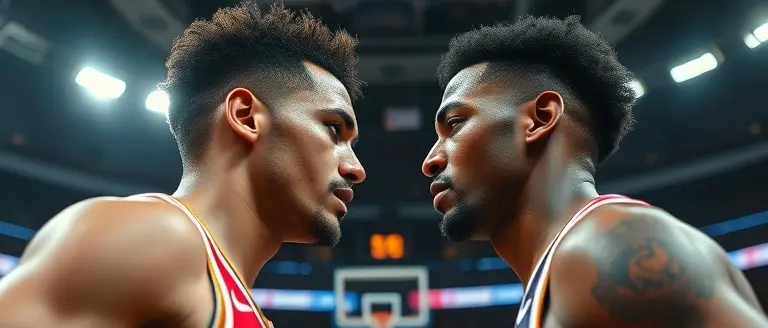
As the Lakers vs Thunder series intensifies, Game 2 carries immense psychological weight for Los Angeles. Following their 108-90 loss in the opener, the Lakers must avoid a demoralizing 0-2 deficit before the venue shifts. Tactical adjustments are the primary narrative, as the Lakers’ coaching staff works to neutralize the defensive versatility of the Oklahoma City Thunder. While LeBron James paced his team with 27 points, the lack of secondary scoring proved fatal, highlighting an urgent need for role players to increase their offensive production.
Critical Matchups and Tactical Adjustments
The most pivotal battle remains in the frontcourt, specifically how the Lakers handle Chet Holmgren. After his commanding 24-point double-double in Game 1, Holmgren has proven to be a mismatch nightmare. To find success in okc vs lakers Game 2, the Lakers must improve their perimeter containment to prevent Holmgren from dictating the interior pace.
Key focus areas for both teams include:
- Lakers’ Interior Defense: Doubling Holmgren early may force the ball into the hands of OKC’s perimeter shooters, but single coverage has clearly failed.
- Secondary Scoring: Beyond James, the Lakers need high-efficiency minutes from their depth chart to mitigate the thunder vs lakers defensive intensity.
- Transition Efficiency: The Thunder dominated fast-break points in Game 1; the Lakers must limit turnovers to prevent these high-percentage opportunities.
Evidence suggests that the series outcome often hinges on these specific lakers vs oklahoma city thunder match player stats. For the Thunder, maintaining their championship-level composure is paramount, while the Lakers are under significant pressure to dictate the tempo. If the Lakers cannot stabilize their offensive efficiency, they risk falling into an insurmountable hole against the reigning title holders. Analysts will be watching closely to see if defensive rotations tighten or if the Thunder’s length continues to dictate the series flow.
Mastering the Playoff Puzzle
The Game 1 dominance by the Oklahoma City Thunder serves as a harsh reality check for the Lakers. As we look toward Game 2, the question isn’t just about personnel, but about the mental stamina required to decode Chet Holmgren’s defensive versatility and the Thunder’s high-pressure rotations. To keep your analysis as quick and precise as an NBA point guard, many fans are using a specific auditory training method to stay sharp during these high-stakes matchups.
Tracking complex tactical rotations and defensive shifts requires serious cognitive clarity; this is where The Brain Song becomes your competitive edge. It acts as an intellectual fuel, sharpening your analytical stamina so you can process the rapid data and adjustments occurring on the court in real-time. By integrating this 12-minute audio routine into your game-day preparation, you aren’t just watching the game—you are mastering it with the focus of a front-office strategist.
Don’t let mental fatigue cloud your perspective on this historic Western Conference series. Equip yourself with the cognitive processing speed needed to truly understand the nuance of every play and every defensive shift.  Train your brain for peak game-day focus with The Brain Song’s 12-minute daily audio routine. Upgrade My Basketball IQ Today!