
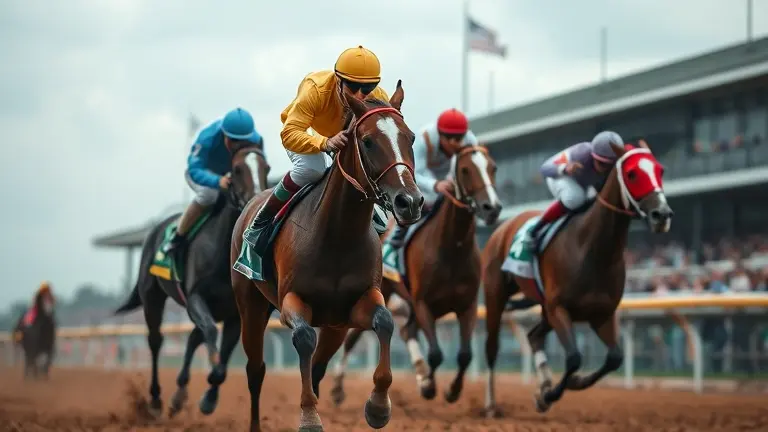
The sporting world was sent into a frenzy on May 6, 2026, when trainer Cherie DeVaux officially confirmed that Golden Tempo—the dominant champion of the 2026 Kentucky Derby—would bypass the Preakness Stakes. This bombshell update effectively dismantles the dream of a Triple Crown title this year, cementing a growing, controversial trend where modern training philosophies increasingly favor long-term career preservation over the historic prestige of the sport’s greatest feat. As the racing community turns its eyes toward Laurel Park for the May 16 showdown, the absence of the Derby hero leaves a void that shifts the entire betting landscape.
For analysts and dedicated bettors, the landscape has shifted from a focused campaign on a single favorite to a complex, wide-open field of contenders. Moving beyond the initial shock of the announcement requires a deeper look at what this means for the sport’s evolution and how we evaluate the remaining field. To navigate the noise and identify value in this new, unpredictable environment, horse racing enthusiasts must sharpen their analytical approach to dissect the shifting dynamics before the starting gates open at Laurel Park.
Golden Tempo Out: Analyzing the 2026 Preakness Stakes Withdrawal

On May 6, 2026, the horse racing world received official confirmation that the golden tempo Preakness bid would not proceed. Trainer Cherie DeVaux issued a definitive update stating that the 2026 Kentucky Derby champion will be sidelined for the second leg of the Triple Crown. The decision, aimed at allowing the colt adequate time to recover from the physical rigors of his victory at Churchill Downs, effectively ends all hopes for a Triple Crown winner this season. This strategic withdrawal has sparked widespread debate across major media platforms, including ESPN and Reuters, regarding the evolving philosophy of modern thoroughbred management.
The Growing Trend of Triple Crown Opt-Outs
The absence of Golden Tempo from the Preakness Stakes marks a recurring pattern in the sport. This is the third time in the last five years that a Derby winner has bypassed the Preakness, highlighting a significant shift toward prioritizing long-term equine health over the historical prestige of the Triple Crown.
- Trainer Caution: The primary rationale provided by Cherie DeVaux is a commitment to the colt’s longevity, suggesting that modern training regimens are increasingly risk-averse.
- Historical Precedent: As seen with recent Derby winners, the two-week turnaround required for the Preakness is increasingly viewed by top trainers as an unnecessary strain.
- Broad Industry Impact: This development leaves the May 16 event at Laurel Park—temporarily hosting due to Pimlico renovations—without its biggest star, fundamentally altering the betting landscape and the broadcast narrative.
While fans are naturally disappointed by the loss of a Triple Crown chase, the industry appears to be moving toward a model where individual horse welfare supersedes the “Triple Crown spectacle.” By opting to skip the race, the connections of Golden Tempo have signaled that the horse’s career path will be defined by selective, sustainable participation rather than the traditional, grueling circuit. This decision forces bettors and racing enthusiasts to pivot their focus to the remaining field, shifting the conversation from a coronation to a wide-open competitive race.
The Field Opens Up: Top Contenders for the 2026 Preakness Stakes

The official confirmation regarding the golden tempo Preakness withdrawal has fundamentally transformed the betting landscape for the May 16, 2026, event at Laurel Park. With the Derby champion absent, the race for the middle jewel of the Triple Crown is officially wide open, shifting focus toward horses that demonstrated late-closing speed at Churchill Downs and those who bypassed the Derby entirely to target this specific surface. Without the singular dominance of the Kentucky Derby winner, handicappers are now looking for value among horses that possess both the tactical versatility required for a shorter track configuration and the durability to handle the rapid two-week turnaround.
Evaluating the New Race Favorites
In the absence of a clear front-runner, the following contenders have emerged as the horses to watch:
- Silver Streak: Finishing a hard-charging second in the Derby, this colt showed immense stamina in the final furlong. His ability to handle the “traffic” of a crowded field suggests he will adapt well to the tighter turns at Laurel Park.
- Midnight Valor: Having skipped the Kentucky Derby to focus on high-stakes allowance races, this horse enters the Preakness with fresh legs. His speed figures in mid-range distance races indicate a high ceiling for this shorter, tactical affair.
- Coastal Command: After a disappointing fifth-place finish at Churchill Downs, a change in track conditions or a different pace scenario could favor this consistent closer. He has remained on a steady training regimen, suggesting he is peaking at the right time.
The shift in the cherie devaux golden tempo update has effectively neutralized the “Triple Crown hype” betting surge, forcing the market to rely on fundamental race-day analysis. Bettors should pay close attention to morning workouts at Laurel Park, as the unique surface profile often rewards horses with high natural speed over those relying solely on stamina. With no Derby winner present to dictate the early pace, look for a more fluid, competitive tactical battle in the final stretch.
Laurel Park Spotlight: Navigating the 2026 Venue Shift
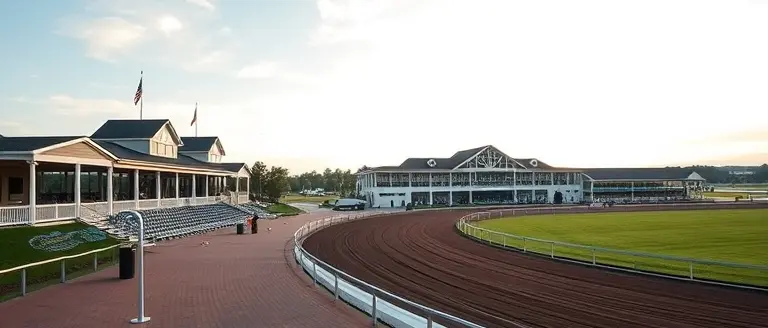
The 2026 Preakness Stakes presents a unique tactical puzzle for trainers and bettors alike as the event shifts to Laurel Park due to ongoing renovations at Pimlico. With the golden tempo preakness withdrawal confirmed by cherie devaux, the field is wide open, making track-specific handicapping more critical than ever. Laurel Park features a dirt track that is widely considered to have a different composition and “feel” compared to the historic Pimlico surface. Generally, Laurel’s main track is recognized for being slightly tighter and often playing more favorably to horses with early tactical speed, whereas Pimlico could occasionally favor deep closers depending on the rail bias.
Track Dynamics and Handicapping Strategy
For those analyzing the field in the absence of Golden Tempo, understanding the nuances of the Laurel surface is paramount. Unlike the expansive stretches often associated with traditional Triple Crown venues, Laurel’s configuration requires horses to handle the transition into the turns with high efficiency. Bettors should prioritize the following factors:
- Early Speed Bias: Laurel often rewards horses that can secure a forward position early, as the shorter stretch run can make it difficult for late-closers to reel in frontrunners.
- Surface Consistency: The track at Laurel has a reputation for being somewhat “cuppy,” which can sap the energy of horses who struggle to maintain a rhythmic stride on softer or shifting dirt.
- Pedigree and Previous Experience: Look for entrants who have previously logged successful speed figures on similar mid-Atlantic surfaces, as they are likely to adapt more quickly to the venue shift than shippers moving from entirely different regional soil profiles.
Ultimately, the shift to Laurel Park changes the geometry of the race. While the cherie devaux golden tempo update dominated the headlines, the smart money will now focus on identifying which remaining contenders possess the versatility to handle the specific tight-turn demands of this Maryland facility. Navigating this venue shift requires shifting your focus from the horse’s Derby performance to how their specific running style translates to a track that emphasizes balance and tactical positioning over pure, late-race acceleration.
Is the Triple Crown Obsolete? Modern Training and Racing Cycles

The recent cherie devaux golden tempo update confirming the Kentucky Derby winner will skip the Preakness Stakes has reignited a polarizing debate regarding the sanctity of the Triple Crown. While purists argue that the series defines greatness, the modern racing landscape suggests a fundamental shift in management philosophy. Trainers are increasingly viewing the Triple Crown’s condensed schedule—three high-stakes races in just five weeks—as an unsustainable demand that compromises a horse’s long-term health and commercial value. By choosing to bypass the golden tempo preakness entry, DeVaux is signaling that the era of the “three-year-old warrior” is being systematically replaced by a data-driven approach that prioritizes longevity and career longevity over historic accolades.
The Shift Toward Risk Mitigation
Elite horse racing is currently undergoing a structural transformation. Modern training regimens now utilize advanced biometric monitoring and recovery protocols that discourage the grueling exertion required for a Triple Crown campaign. This creates a disconnect between fan expectations and owner objectives:
- Longevity over Legacy: Owners increasingly value a longer racing career and a higher stud fee potential, which are often threatened by the physical trauma associated with a Triple Crown bid.
- Safety Protocols: Increased scrutiny on equine welfare following high-profile track incidents has led to more conservative participation strategies.
- Calendar Fatigue: The intense intensity of the Churchill Downs victory often leaves young horses requiring extended downtime, making the two-week turnaround for the Preakness medically inadvisable in many cases.
As the industry grapples with these realities, the Triple Crown risks becoming an outlier in a sport that is trending toward lighter, more deliberate racing schedules. If the prestige of the crown cannot be reconciled with modern physiological standards, racing organizations may soon face the difficult necessity of restructuring the calendar to incentivize participation without sacrificing the welfare of the athlete.
Sharpening Your Analytical Edge for the Open Field
With Golden Tempo officially sidelined, the 2026 Preakness Stakes has transformed into one of the most unpredictable races in recent history. The tactical shift away from the traditional Triple Crown chase has left bettors scrambling to re-evaluate the contenders, moving beyond the familiar names to find value in a field defined by uncertainty. Successfully navigating this post-Derby landscape requires more than just casual observation; it demands a high level of mental clarity to synthesize raw performance data and emerging training trends accurately.
As you dive into the dense statistics of the remaining contenders, maintaining peak cognitive function is your greatest asset. High-stakes analysis often comes with a layer of ‘mental fog’ that can obscure the hidden opportunities inherent in a wide-open race. The Brain Song is specifically designed to clear that fog, providing the mental stamina and focus needed to process complex racing data with surgical precision. By integrating this routine into your preparation, you are not just watching the race—you are positioning yourself to make calculated, informed decisions that others, distracted by the surface-level news, will surely miss.
We invite you to experience the difference that cognitive optimization makes when every split-second decision counts. By sharpening your focus now, you secure a decisive advantage for the upcoming race week at Laurel Park.
 Optimize your analytical edge for the 2026 Preakness—try this 12-minute daily routine to sharpen your focus for the upcoming race week.Sharpen My Focus Now!