

In May 2026, the long-standing mystery surrounding the final days of Jeffrey Epstein reached a new, critical juncture. A federal judge’s decision to unseal an alleged epstein note—surfaced during the high-stakes trial of former cellmate Nicholas Tartaglione—has reignited global debate and intense judicial scrutiny. As the public and legal experts scramble to parse the document’s authenticity and its potential evidentiary weight, the sheer volume of surrounding data threatens to obscure the truth. We are no longer just looking at a historical footnote, but a piece of legal evidence that could reshape the narrative of the ‘epstein files’ entirely.
Parsing through these complex legal transcripts and conflicting historical accounts requires more than just curiosity; it demands significant mental stamina and sharp analytical focus. As we peel back the layers of this high-intensity news cycle, it is crucial to maintain our cognitive edge. Navigating these dense, often contradictory legal labyrinths requires the right tools to ensure we remain clear-headed observers, capable of distinguishing between legitimate evidence and background noise.
The Unsealing of the Epstein Note: Legal Context and the Tartaglione Connection
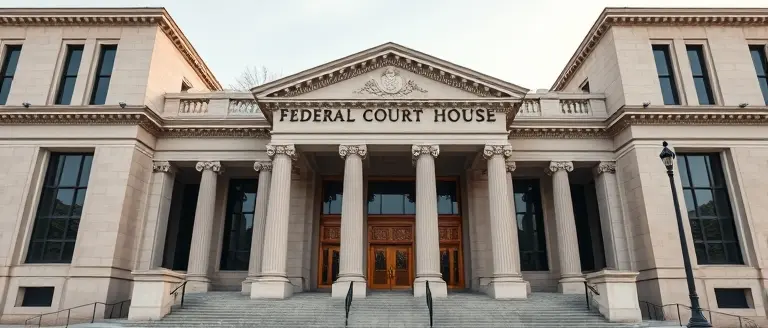
In a significant legal development in May 2026, a federal judge ordered the public release of a document identified as an alleged suicide note written by Jeffrey Epstein. This unsealing marks a milestone in the ongoing efforts to grant the public access to the broader epstein files, which have remained the subject of intense scrutiny and speculation since the financier’s death at the Metropolitan Correctional Center (MCC) in 2019. The release occurred within the specific framework of the federal trial of Nicholas Tartaglione, a former police officer who shared a cell with Epstein during a period of his incarceration. The court’s decision to declassify this document underscores a judicial commitment to transparency, particularly as legal proceedings continue to examine the conditions of Epstein’s confinement.
The Nexus of the Tartaglione Trial
The presence of the epstein note within the evidentiary record of the Tartaglione case is not merely incidental. Tartaglione, currently facing serious federal charges, has been at the center of investigations regarding the management of the MCC during the time Epstein was under suicide watch. By integrating this document into the public record, the court aims to address defense inquiries and provide clarity regarding the environment inside the facility. Key elements surrounding this release include:
- Evidentiary Scope: The note serves as a piece of documentary evidence in a broader criminal trial, rather than a standalone confirmation of the events of August 2019.
- Judicial Transparency: This action is part of a systemic effort to reduce the secrecy surrounding the epstein case, balancing national interest with the requirements of the ongoing Tartaglione prosecution.
- Procedural Timeline: The unsealing represents a shift in how federal authorities are handling sensitive, previously classified materials related to high-profile inmates.
Legal analysts emphasize that while the note provides a granular look at the final days of Jeffrey Epstein, it must be viewed strictly through the lens of the Tartaglione trial proceedings. The document’s authenticity and its potential impact on the defense remain topics of ongoing legal debate, with many observers watching to see if this disclosure leads to further revelations from the remaining sealed dossiers.
Fact vs. Conjecture: Analyzing the Document’s Authenticity

The unsealing of the alleged epstein note in May 2026 has reignited intense public scrutiny regarding the final days of Jeffrey Epstein at the Metropolitan Correctional Center (MCC). To separate verified legal developments from speculative discourse, it is essential to distinguish between the document’s official status and its evidentiary weight. As of the current federal filings, the document is officially categorized as an item recovered during the investigation into Epstein’s death, surfaced specifically within the context of the trial involving his former cellmate, Nicholas Tartaglione. However, the Department of Justice (DOJ) and the presiding court have yet to release a comprehensive forensic validation report confirming the handwriting as definitively belonging to Epstein.
Understanding the Legal Status
The primary point of confusion for many observers is the difference between a “recovered document” and an “authenticated statement.” While the note was recovered from the cell shared with Tartaglione and has been entered into the public record, its legal standing remains limited:
- Evidentiary Scope: The note is currently being examined for its relevance to the Tartaglione trial rather than as a conclusive account of Epstein’s passing.
- Forensic Verification: There is currently a void in public records regarding detailed handwriting analysis or ink-dating forensics. Legal experts caution that a document’s presence in a court file does not automatically confirm its historical veracity.
- The Chain of Custody: The document was handled as part of the broader epstein files disclosure, meaning its authenticity is subject to the same procedural standards applied to other pieces of evidence handled during the MCC investigation.
Distinguishing fact from conjecture requires a measured approach. While the document provides a new focal point for researchers analyzing the epstein case, it currently functions more as a piece of anecdotal evidence within a complex criminal trial than a definitive resolution to the lingering questions surrounding the financier’s death. Observers should look toward future court filings for any expert testimony that may corroborate the origins of the note.
Historical Comparison: The New Document vs. Previous Accounts

The unsealing of this alleged epstein note in May 2026 marks a significant departure from the scattered, often unverified reports that circulated immediately following the financier’s 2019 death at the Metropolitan Correctional Center (MCC). For years, public discourse surrounding the epstein files and the circumstances of his passing was dominated by speculative accounts and leaked fragments that lacked formal judicial validation. Unlike previous unofficial iterations—which were often shared via social media or unsourced investigative blogs—this document carries the weight of a federal court filing, providing a tangible evidentiary basis for analysis that was previously absent from the official record.
Key Discrepancies and Timeline Alignment
When comparing this recently released note to past accounts, several critical factors emerge regarding the MCC containment protocols:
- Contextual Origin: Previous narratives frequently conflated various prison notes with suicide warnings; this document specifically surfaced as part of the broader legal maneuvering in the trial of Nicholas Tartaglione, Epstein’s former cellmate, providing a clearer chain of custody than previous alleged leaks.
- Content Consistency: Early reports from 2019 suggested notes found in the cell contained vague complaints about prison conditions. The new document, while subject to ongoing forensic review, aligns more closely with the timeline of his isolation, though it complicates the established narrative by raising questions about why such sensitive materials remained sequestered for years.
- Official Verification: Unlike contested accounts that were often dismissed by the Bureau of Prisons as either fabrications or misinterpretations of routine administrative forms, this document is now a permanent component of the federal court record.
By placing this document within the established timeline of Jeffrey Epstein’s final weeks, experts are now tasked with reconciling the note’s contents with existing security logs. This shift moves the conversation from fringe speculation toward a formal, fact-based investigation into how the epstein case was managed behind bars. While the note does not inherently solve the mysteries surrounding his death, its formal release forces a re-examination of the custodial oversight present during his high-profile incarceration.
The Path Forward: Ongoing Judicial Efforts and the Epstein Files
The unsealing of the alleged epstein note marks a pivotal shift in the ongoing legal pursuit of the truth behind the jeffrey epstein case. For years, the public and independent researchers have pushed for the full declassification of the broader epstein files, arguing that transparency is essential for understanding the scope of his criminal network. By making this document public within the context of the Nicholas Tartaglione trial, federal authorities have demonstrated that previously shielded evidence may finally see the light of day as a direct result of adversarial legal proceedings.
The Momentum for Transparency
This recent disclosure is unlikely to be an isolated event. Legal experts suggest that the persistent demand for the release of the epstein-related records is forcing a gradual shift in how the Department of Justice handles sensitive files tied to the case. As the Tartaglione proceedings continue, several factors remain central to the path forward:
- Judicial Precedent: The decision to unseal the note establishes a precedent that may influence how judges rule on future motions to release documents from the Metropolitan Correctional Center (MCC) archive.
- Public Scrutiny: The sustained high-intensity public interest acts as a secondary pressure valve, encouraging transparency where previous efforts had stalled.
- Case Interconnectivity: By linking the note to the Tartaglione trial, the court is acknowledging that the circumstances surrounding the death of Epstein remain legally relevant to current prosecutions.
The implications for future legal proceedings are significant. As more of the epstein files enter the public domain, investigators and journalists gain the opportunity to cross-reference official claims against newly available documentation. This creates a feedback loop of scrutiny that challenges historical narratives and provides a clearer, albeit complex, picture of the failures that allowed for his death while in federal custody. The ongoing judicial effort represents not just an attempt to resolve specific trials, but a broader institutional reckoning with one of the most scrutinized cases in modern American history.
Maintaining Clarity in a Sea of Legal Complexity
The unsealing of this note serves as a stark reminder that while new evidence may emerge, our ability to interpret it effectively depends on our own cognitive state. Parsing through thousands of pages of legal documentation and managing the frustration of conflicting reports is a mentally exhausting process that can quickly lead to ‘information overload’ and diminished focus.
To navigate this complex landscape without succumbing to fatigue, you need more than just intent; you need a strategy for mental optimization. The Brain Song is designed specifically for this purpose. By functioning as a neuro-scientific cognitive tool, it helps you sustain the mental clarity and heightened focus required to analyze intricate legal details, ensuring you don’t miss the subtle patterns that others overlook. It is the natural companion for any serious researcher determined to see the truth behind the heavy headlines.
By integrating this routine into your analytical workflow, you empower yourself to process high-stakes news with superior sharpness and objective precision. Don’t let the cognitive fog of a complex, breaking news cycle hold you back from forming your own well-reasoned conclusions.
 Optimize your analytical focus to better interpret these complex files—try the 12-minute auditory routine designed for peak mental clarity here.Yes, I Want To Sharpen My Focus Now!