
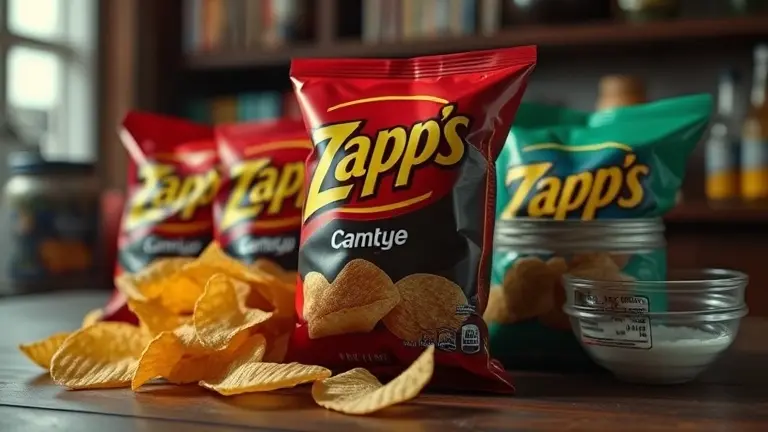
Is your pantry harboring a hidden health risk? On May 5, 2026, Utz Quality Foods issued a voluntary nationwide recall for specific Zapp’s and Dirty brand potato chips due to potential Salmonella contamination. The culprit? A dry milk powder seasoning ingredient sourced from a third-party supplier, California Dairies. While the proactive recall aims to prevent illness, it serves as a stark reminder of the complexities—and dangers—inherent in modern, highly processed food supply chains.
For many consumers, this potato chip recall is more than just an inconvenience; it is a wake-up call regarding the safety of mass-produced, shelf-stable snacks. In this guide, we provide you with an actionable checklist to verify if your favorite chips are affected, step-by-step instructions for securing a refund, and essential insights into why these specific additives often become the source of major food safety outbreaks. Let’s clean out your pantry and restore your peace of mind.
Utz Quality Foods Voluntary Recall: What You Need to Know
On May 5, 2026, Utz Quality Foods officially initiated a voluntary nationwide product recall involving select varieties of its popular Zapp’s and Dirty brand potato chips. This proactive safety measure was triggered by an FDA notification regarding potential Salmonella contamination. The contamination risk is not linked to the overall manufacturing or frying process at Utz facilities but is specifically isolated to a dry milk powder seasoning ingredient sourced from an external third-party supplier, California Dairies.
Why Was This Recall Initiated?
The decision to pull these products from shelves serves as a precautionary health-safety intervention. While the presence of Salmonella in food products can cause serious and sometimes fatal infections in young children, frail or elderly people, and others with weakened immune systems, the company has confirmed that no illnesses have been reported to date in connection with these specific snacks. By acting quickly, Utz Quality Foods aims to mitigate any potential health risks to the public. Consumers currently in possession of these chips should note the following:
- Scope: The potato chip recall is limited to specific Zapp’s and Dirty brand products that contain the affected seasoning.
- Timeframe: Affected products typically feature “Best By” dates ranging from late July through August 2026.
- Safety Instruction: If you have these items in your pantry, do not consume them. The company advises that you discard the product immediately or return it to the point of purchase for a full refund.
Understanding Third-Party Ingredient Risks
This incident highlights the complexity of modern food supply chains. In this case, the Zapps potato chip recall demonstrates how an issue at a component supplier—specifically the dry milk powder—can necessitate a wider distribution recall. Because dry milk powder is frequently used in savory flavor profiles, it remains a common point of focus for food safety inspections. Utz is currently working in full cooperation with the FDA to ensure that all potentially compromised inventory is removed from circulation across the United States. Keeping informed about these voluntary actions is the best way to ensure your household remains safe from foodborne hazards.
Is Your Bag Affected? Actionable Recall Checklist
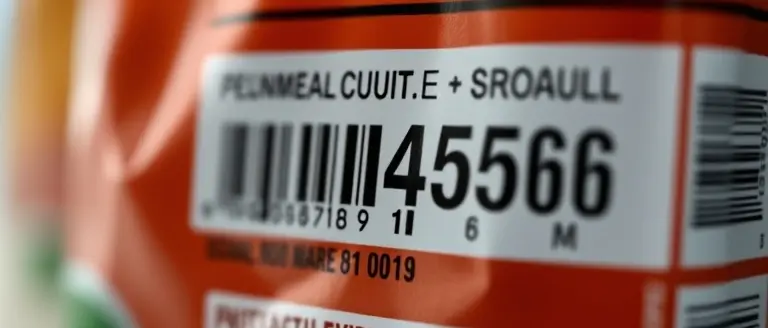
If you currently have snacks in your pantry, identifying whether your items are part of the product recall requires a systematic inspection of the packaging. Utz Quality Foods has issued this voluntary alert to address potential Salmonella contamination linked to a dry milk powder ingredient. To determine if your bag is impacted by the Zapp’s potato chip recall or the Dirty brand potato chip recall, you must carefully examine the specific identifying information printed on the exterior of the bag.
How to Inspect Your Packaging
To perform an accurate check, look for these specific details:
- Locate the ‘Best By’ Date: Scan the front or back panel of the bag for a printed date. The current recall specifically targets products with Best By dates falling between late July and August 2026.
- Check the UPC Code: Compare the Universal Product Code on your bag against the official list provided by the FDA or the Utz Quality Foods website.
- Examine the Lot Code: While the ‘Best By’ date is the primary indicator, some regional distributions may use specific manufacturing lot codes. If the date matches the range provided, consider the product compromised regardless of the lot number.
Immediate Safety Measures
If your product matches the affected criteria, do not consume it. While no illnesses have been officially reported to date, Salmonella can cause serious and sometimes fatal infections in young children, frail or elderly people, and others with weakened immune systems. The most responsible course of action is to discard the product immediately in a sealed trash container to prevent accidental consumption by family members or pets. After disposing of the bag, sanitize any surfaces, shelves, or pantry areas where the product was stored to eliminate any potential cross-contamination risks. Once the item is safely discarded, you can proceed to the manufacturer’s customer service portal to pursue a refund or further clarification.
Step-by-Step Refund Guide

If you have confirmed that your snacks are part of the Zapp’s potato chip recall or the associated Dirty brand potato chip recall, your priority should be the safe disposal of the product. Once the item is discarded, you are entitled to seek a refund or replacement through the manufacturer, Utz Quality Foods. Because this product recall is voluntary and safety-driven, the company has established specific protocols to ensure consumers are compensated for the affected inventory.
How to Request Your Refund
To expedite your claim regarding this potato chip recall, you do not necessarily need to mail back the physical bag of chips. Instead, follow these steps to ensure a smooth reimbursement process:
- Document the Details: Before discarding the product, take a clear photograph or write down the UPC code, the specific “Best By” date, and the production lot code found on the packaging. These identifiers are essential for the company to verify the batch in question.
- Utilize the Official Portal: Visit the official Utz Quality Foods website and navigate to their dedicated recall information page. Most major manufacturers utilize a digital submission form where you can input these product details directly.
- Contact Customer Service: If you encounter issues with the online portal, you can reach out to the Utz customer care team via their consumer hotline. Having your store receipt or the specific purchase location information ready can further assist in processing your request.
- Retain Confirmation: Once your request is submitted, keep a copy of your confirmation number or email. This serves as your primary proof of the claim should there be any delays in the processing of your refund or check issuance.
While the Zapp’s potato chip recall is a serious health precaution aimed at preventing potential Salmonella exposure, the manufacturer is committed to addressing consumer concerns quickly. By following these structured steps, you ensure that you receive your refund efficiently while maintaining your household’s food safety. Remember, even if you feel the product seems normal, you should never consume items identified in an official FDA-monitored health alert.
Understanding the Third-Party Ingredient Supply Chain Risk
Modern food production relies on complex, globalized supply chains where manufacturers like Utz Quality Foods source specialized components from various vendors. In the case of the recent potato chip recall, the issue did not originate within the primary manufacturing facility, but rather from a contaminated dry milk powder seasoning provided by an outside entity, California Dairies. This highlights a critical vulnerability in the food industry: the reliance on third-party ingredients. When a singular component—such as a powdered dairy flavoring—is distributed across multiple product lines, a single point of contamination can trigger a widespread product recall even if the finished goods were processed under otherwise impeccable safety standards.
The Role of Traceability in Food Safety
The ability to quickly identify and isolate the source of contamination is known as traceability. Food safety protocols require companies to maintain rigorous documentation regarding ingredient batches, allowing them to pinpoint exactly which production runs utilized a specific lot of raw material. This is why a Zapps potato chip recall or any other major safety initiative often targets very specific “Best By” date ranges. By identifying the exact window in which the compromised ingredient was integrated into the production line, companies can minimize waste and exposure while ensuring that consumers are protected.
Why Proactive Recalls Occur
Proactive recalls, like the one initiated on May 5, 2026, often happen before a single illness is reported. This strategy is a cornerstone of modern food safety management:
- Preemptive Action: Manufacturers prioritize public health by removing products from shelves immediately upon notification of an ingredient-level risk.
- Risk Mitigation: Even without confirmed cases of Salmonella, the potential for bacterial presence mandates strict removal to prevent future outbreaks.
- Supply Chain Accountability: By tracing ingredients back to the original supplier, regulators and companies can implement corrective actions, ensuring the specific vulnerability is addressed at its source.
Ultimately, these recalls are evidence of a functioning safety system. While inconvenient, the process ensures that potentially hazardous products are tracked and removed efficiently, keeping the broader supply chain transparent and secure for the consumer.
Take Back Control of Your Metabolic Wellness
Dealing with a product recall is a frustrating reminder of how little control we often have over the ingredients in our favorite snacks. While you are busy clearing your pantry of those potentially hazardous potato chips, it is the perfect time to pause and evaluate the overall quality of the fuels you are putting into your body every single day. Relying on mass-market, processed snacks often means introducing unpredictable additives that your body simply wasn’t designed to process efficiently.
As you transition to a cleaner, more mindful lifestyle, consider this moment a reset button for your health. Instead of settling for the hidden risks of industrial food supply chains, choose a path of transparency and metabolic stability. Sugar Defender is designed for the health-conscious individual who wants to move beyond the uncertainty of processed ingredients, offering a reliable, natural way to support your energy levels and metabolic health.
By prioritizing high-quality, targeted support, you can reclaim your vitality and move away from the frustration of hidden food contaminants. Make the switch today and experience what it feels like to truly support your body’s needs from the inside out. Don’t wait for another safety alert to rethink your wellness routine—take the proactive step toward a cleaner, more stable future now.
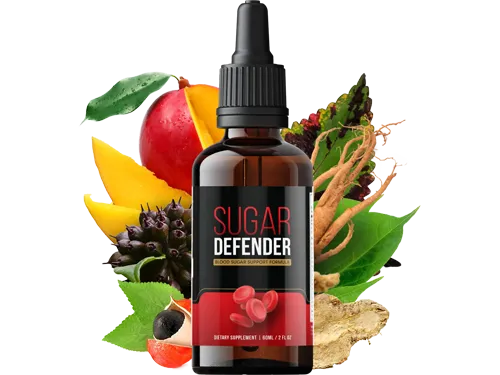 Reclaim your metabolic health today and discover a cleaner way to support your energy levels.Transform My Metabolic Health Today!