
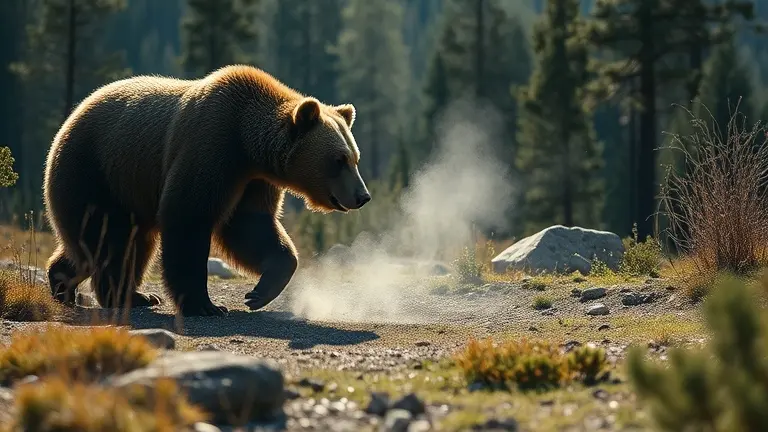
On May 4, 2026, the silence of the backcountry near Yellowstone National Park’s iconic Old Faithful was broken by a sobering reminder of the wilderness’s untamed nature. The National Park Service has confirmed that two hikers were injured in a bear attack on the Mystic Falls Trail, marking the first such incident of the year. While the area remains under investigation and temporarily closed, the event has sent a ripple of concern through the outdoor community. As the park transitions into spring, bears emerge from hibernation in search of food, making this a critical season for visitors to prioritize heightened situational awareness and strict adherence to safety protocols.
Understanding the risks inherent in early-season exploration is not about living in fear, but about fostering a respectful, prepared relationship with the land. Whether you are a seasoned trekker or an enthusiastic novice, the recent events serve as a poignant call to action: knowledge, proactive planning, and proper gear accessibility are your best defenses when venturing into grizzly country. By mastering ‘Bear Aware’ techniques, you ensure that your next adventure in Yellowstone remains defined by its breathtaking landscapes rather than an avoidable encounter.
Incident Report: Bear Attack on Mystic Falls Trail
On May 4, 2026, a significant yellowstone bear attack occurred on the popular Mystic Falls Trail, located near the iconic Old Faithful geyser. According to official statements from the National Park Service (NPS), two hikers sustained injuries during the encounter with at least one bear. This incident marks the first confirmed bear-related injury within the boundaries of Yellowstone National Park for the 2026 calendar year. Emergency response teams were alerted promptly, and the injured parties received medical attention shortly after the event transpired.
Following the attack, the NPS took immediate action to ensure public safety by closing the Mystic Falls Trail and surrounding areas. Park officials have initiated a formal investigation to determine the specific circumstances surrounding the encounter, including the species of the bear involved and the behavioral triggers that led to the incident. While bear sightings are common during the spring, physical contact with humans remains a rare occurrence. This event serves as a stark reminder of the unpredictable nature of wildlife in high-traffic wilderness areas.
Current Status and Safety Protocols
- Area Closures: The Mystic Falls Trail remains closed to all visitors until further notice while park rangers and wildlife biologists complete their on-site investigation.
- Incident History: This is the first recorded bear-related injury in the park since September 2025, highlighting the importance of heightened vigilance during the early hiking season.
- Investigation: The NPS is currently reviewing reports to understand the nature of the encounter, which will inform future bear management and safety strategies in the park.
Visitors planning trips to the region are urged to check the official Yellowstone NPS website for the most current trail conditions and safety advisories. As spring continues, bears are frequently active in lower-elevation corridors, making it essential for hikers to practice “Bear Aware” protocols. Always hike in groups, make noise to avoid startling wildlife, and ensure you have easy access to bear spray at all times while exploring the park’s diverse terrain.
Bear Activity During the Yellowstone Spring Season

Spring represents a volatile period for wildlife behavior in Yellowstone National Park, making it a critical season for visitors to prioritize safety. As bears emerge from their winter dens, they are typically lethargic and hungry, seeking out high-calorie food sources to recover from the stresses of hibernation. During this transitional time, bears are often found foraging at lower elevations and near thermal features—such as those found along the Mystic Falls Trail—where vegetation begins to grow earlier in the year due to the unique geothermal soil. Because snow may still cover higher-altitude terrain, bears and humans are increasingly likely to cross paths on accessible spring trails.
Understanding Spring Foraging Patterns
The recent yellowstone bear attack underscores the necessity of heightened vigilance during the early hiking season. Bears in the spring are highly motivated by food, which can lead to increased defensiveness if they are startled or if a human inadvertently encroaches on a carcass or a concentrated food source. To navigate this season safely, hikers must adopt a proactive mindset:
- Hike in Groups: Bears are less likely to approach larger groups of people. Always hike with at least three or more individuals.
- Make Noise: Talk, clap, or sing to avoid surprising a bear, especially near moving water, dense brush, or blind corners.
- Carry Bear Spray: Ensure your bear spray is accessible—not buried inside a backpack—and that you have practiced the deployment technique.
- Stay Alert: Avoid using headphones and scan the environment frequently for signs of bear activity, such as fresh tracks, scat, or overturned rocks.
By recognizing that spring is a period of peak biological stress for bears, visitors can better understand why encounters, such as the one reported on May 4, 2026, occur. Maintaining situational awareness and adhering to National Park Service safety guidelines are essential steps for anyone exploring the park during this delicate time of year. While the risk of a yellowstone bear attack remains statistically low, the unpredictable nature of hungry, emerging bears necessitates a cautious and educated approach to all backcountry excursions.
Essential Bear Safety Tips for Hikers
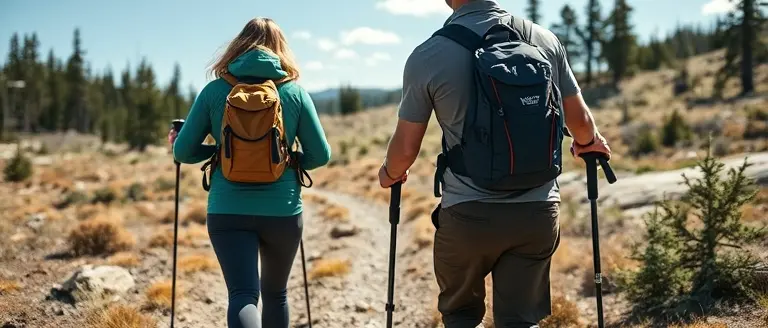
While the recent yellowstone bear attack on the Mystic Falls Trail serves as a stark reminder of the inherent risks in wilderness environments, experts emphasize that human-bear conflicts remain statistically rare. However, the spring season in Yellowstone National Park represents a critical period for heightened vigilance. As bears emerge from winter hibernation, they are often hungry and possess less predictable behavior patterns. To mitigate risk, hikers must adopt a proactive safety mindset, focusing on prevention rather than reaction.
Strategic Prevention Protocols
The most effective way to avoid an encounter is to ensure you do not surprise a bear. Bears are generally inclined to avoid humans, but an accidental close-range meeting often triggers a defensive response. Consider these essential safety measures during your next trek:
- Hike in Groups: There is significant safety in numbers. Larger groups are louder, more visible, and less likely to be viewed as a target by a bear.
- Make Persistent Noise: Talk, clap, or sing—especially when moving through dense brush, near loud streams, or around blind corners where a bear might not hear your approach.
- Carry and Know Your Bear Spray: Bear spray is your primary line of defense. Ensure it is readily accessible in a holster on your body, not buried deep inside your pack. Practice the deployment motion before hitting the trailhead.
- Manage Attractants: Never leave food, trash, or scented items unattended. Use bear-resistant containers and follow all posted food storage regulations within the park.
By remaining “Bear Aware,” you significantly reduce the likelihood of a dangerous interaction. If you encounter a bear, never run, as this may trigger a predatory chase response. Instead, back away slowly while keeping your eyes on the animal, speaking in a calm, firm voice, and preparing your bear spray for immediate use if the bear approaches aggressively. Always check current trail conditions with the National Park Service before heading out, as they provide the most accurate, real-time data regarding bear activity in popular areas like Old Faithful.
How to Properly Use Bear Spray
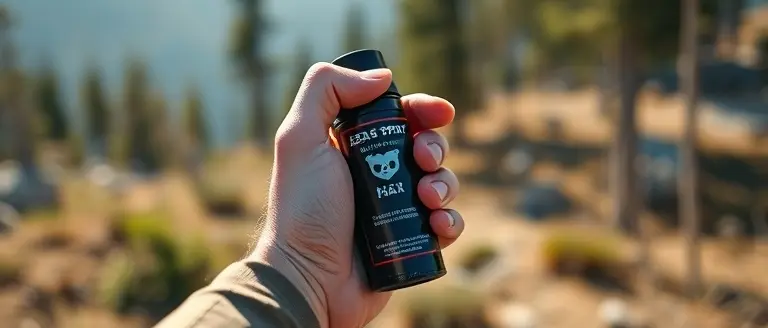
In light of the recent yellowstone bear attack on the Mystic Falls Trail, carrying bear spray has transitioned from a recommendation to an essential safety requirement for all visitors. Bear spray is a non-lethal, highly effective deterrent that, when used correctly, can stop an aggressive bear in its tracks. However, its effectiveness is entirely dependent on immediate accessibility and proper deployment technique. Hikers should never store their canister inside a backpack; it must be kept in a belt holster, a chest rig, or a dedicated hip-belt pocket that allows you to draw and fire within two seconds.
Essential Deployment Mechanics
When encountering a bear in Yellowstone National Park, follow these critical steps to ensure your safety:
- Remove the Safety Clip: Most canisters feature a glow-in-the-dark safety tab. Pull this tab firmly to arm the canister.
- Establish Your Stance: Stand your ground. If the bear is charging, you must aim slightly downward in front of the animal.
- Create a Cloud Barrier: Deploy the spray in short bursts, creating a “wall” of pepper spray between you and the bear. As the bear charges into this cloud, the fine mist will irritate its eyes, nose, and respiratory system.
- Optimal Distance: For maximum impact, wait until the bear is within 30 to 60 feet. Deploying too early may cause the deterrent to dissipate before the bear reaches the cloud.
- Back Away Slowly: Once you have deployed the spray, move away from the bear at a right angle while keeping your eyes on the animal, but do not run.
Springtime conditions, such as those seen during the early May hiking season, often find bears emerging from hibernation and seeking food, which can lead to unpredictable behaviors. By keeping your bear spray accessible and practicing your deployment method, you significantly reduce the risks associated with hiking in bear country. Always check the expiration date on your canister before heading out on any trail.
Mastering Your Wilderness Readiness
The recent events at Mystic Falls remind us that while bear encounters in Yellowstone are rare, they are profoundly serious when they occur. By staying informed, hiking in groups, and keeping bear spray accessible, you significantly stack the odds in your favor. True safety, however, goes beyond just carrying the right tools; it is about how you organize and maintain your gear so that your equipment is ready the moment you need it most. Ensuring your survival essentials are properly stored and within reach is a fundamental part of responsible wilderness exploration.
While physical safety protocols are paramount, ensuring your gear is properly organized and accessible is equally critical; for those who prefer a professional, custom approach to their wilderness setup, having the right blueprints is half the battle. This is where Ted’s Woodworking becomes an indispensable asset for the prepared hiker. By utilizing our comprehensive library of professional-grade plans, you can build custom, reliable storage solutions for your bear spray, first-aid kits, and essential trail equipment. Instead of relying on generic storage that may fail when you are under pressure, you can construct gear organizers tailored to your specific needs, transforming your amateur gear setup into a professional-grade system.
Transitioning from a passive observer to an active, prepared hiker is the ultimate goal of any serious outdoorsman. Our plans empower you to build the structure your safety gear demands, ensuring that your equipment is always secure, organized, and ready for the trail. Don’t leave your protection to chance—equip yourself with the blueprints that turn safety preparation into a craft. Take control of your wilderness readiness today and experience the peace of mind that comes with knowing your gear is perfectly staged for any encounter.
 Build your own professional-grade gear protection systems today with the most comprehensive library of tested workshop plans.Yes, I Want This Now!