
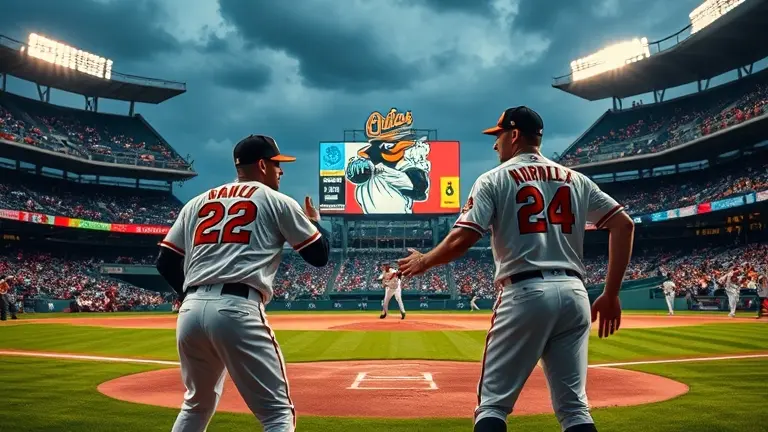
The MLB landscape of 2026 has been marked by a series of puzzling performances, and as the Baltimore Orioles visit the Miami Marlins at LoanDepot Park this May, the stakes for both clubs have never felt higher. Both franchises currently find themselves buried in sub-.500 records, grappling with systemic issues that have rendered their early-season goals nearly unrecognizable. With the Orioles struggling to find rhythm in the competitive AL East and the Marlins reeling from recent roster shakeups—most notably the DFA of Chris Paddack—this three-game series serves as a critical litmus test for their mid-season outlook.
For fans and analysts alike, this matchup offers more than just the typical game-day utility of start times and streaming schedules. It provides a deeper look into the friction between expectation and reality. Why have these teams stalled? Is it a lack of depth, or a fundamental flaw in their strategic approach? As we dive into the Orioles vs Marlins series, we move beyond the box scores to identify the key roster moves and tactical shifts that will define whether these teams can stabilize their foundations or continue to slide further from contention.
Game Day Preview: Orioles vs. Marlins at LoanDepot Park

The Baltimore Orioles travel to South Florida today to open a pivotal three-game series against the Miami Marlins at LoanDepot Park. With first pitch scheduled for 6:40 p.m. ET on May 5, 2026, both franchises find themselves at a critical juncture in the early 2026 MLB season. The Orioles enter the matchup sitting at 15-20, currently 4th in the AL East, while the Marlins hold a 16-19 record and sit 2nd in the NL East. Both clubs are reeling from recent series losses, making this encounter a vital opportunity for either team to generate much-needed momentum and correct their trajectory before the mid-season grind intensifies.
How to Watch the Orioles-Marlins Series
Fans looking to follow the Orioles vs. Marlins action can access the game through various regional and national platforms. Coverage is typically provided by the teams’ regional sports networks, while out-of-market viewers should consult MLB.tv for streaming availability. It is recommended to check local listings or the official MLB website to confirm if the game is subject to regional blackouts based on your specific location.
Keys to Today’s Matchup
- Pitching Probables: Chris Bassitt is set to take the mound for the Orioles. The Marlins’ starter remains TBD, pending recent roster adjustments and medical updates.
- Roster Stability: The Marlins are navigating a period of personnel changes, including recent roster moves like the decision to DFA Chris Paddack, which has shifted the team’s defensive and pitching dynamics.
- Offensive Production: Both teams have struggled to find consistent offensive rhythm, placing heavy pressure on their respective pitching staffs to keep games competitive through the middle innings.
As both teams look to shake off recent “stumbling” performances, expect a tense, tactical series in Miami. With both rosters currently hovering below the .500 mark, this series serves as a litmus test for their ability to rebound and climb the standings in their respective divisions.
3 Keys to the Series: Turning the Season Around

As the Baltimore Orioles and Miami Marlins meet at LoanDepot Park, both clubs find themselves at a critical inflection point. With identical struggles placing them well below the .500 mark, this series is more than a standard interleague matchup; it is a test of depth and resilience. To climb out of their respective divisional holes, both franchises must address glaring weaknesses that have plagued them throughout early 2026.
1. Stability in the Rotation
For the Orioles, the focus remains firmly on pitching stability. While Chris Bassitt brings veteran presence to the mound, the rotation has lacked the consistency needed to secure deep outings. The Orioles vs. Marlins series requires the Baltimore starters to bridge the gap into the late innings effectively. If the starting rotation continues to put the bullpen in high-leverage situations prematurely, the team’s sub-.500 record is unlikely to improve.
2. Offensive Production and Roster Depth
The Marlins’ offense has been significantly hampered by inconsistent output and the ripple effects of recent personnel moves, such as the decision to DFA Chris Paddack. To generate momentum, Miami must find production from the middle of the order. The orioles – marlins battle hinges on whether the Marlins can capitalize on scoring opportunities early in the game rather than relying on late-inning rallies that have frequently failed to materialize this season.
3. Bullpen Management Under Pressure
Both managers face intense pressure to optimize their relief corps. Late-game management has been a recurring issue, with middle-relief meltdowns directly contributing to several losses for both sides. The path to a series win involves:
- Strategic Leverage: Using high-strikeout relievers only in high-leverage situations.
- Bridge Efficiency: Reducing the number of free passes allowed by setup men to avoid multi-run deficits.
- Adaptability: Relying on scouting reports to exploit specific lineup weaknesses during the sixth and seventh innings.
Ultimately, the team that manages these three factors—rotation length, offensive consistency, and bullpen discipline—will be the one to emerge with a crucial series victory. For these struggling clubs, every win is a necessary building block for a mid-season turnaround.
Roster Shakeups: Analyzing the Marlins’ DFA of Chris Paddack
The Miami Marlins’ decision to designate veteran pitcher Chris Paddack for assignment marks a pivotal turning point in their 2026 campaign. Sitting at 16-19, the organization is clearly signaling a lack of patience with underperforming veterans who were expected to stabilize the rotation. By cutting ties with Paddack, the Marlins are not merely clearing a roster spot; they are aggressively attempting to reset their pitching identity after a month defined by inconsistency and high ERAs. This move provides the front office with necessary financial flexibility, allowing them to pursue internal call-ups or potentially active-market trades to salvage their standing in a crowded NL East race.
Strategic Implications and Pitching Depth
The departure of Paddack leaves a notable void in the Marlins’ middle-inning relief corps, forcing management to rely on younger, unproven arms. While this carries inherent risk, it offers a distinct opportunity for the franchise to evaluate high-upside prospects under game-speed pressure. Analysts suggest that the team’s willingness to eat the remaining salary on Paddack’s contract indicates that ownership is prioritizing long-term roster sustainability over short-term patch-work solutions.
Key factors surrounding this roster shift include:
- Shifting Philosophy: The Marlins are moving toward a data-driven “youth movement” to address their sub-.500 start.
- Financial Flexibility: Reclaiming payroll space allows the organization to address specific needs at the trade deadline if they remain within striking distance of the division leaders.
- Rotation Realignment: Expect a committee approach in the interim as the coaching staff looks to optimize matchups against high-powered offenses like the Baltimore Orioles.
As the Marlins prepare for the Orioles vs Marlins series, the pressure is on the remaining staff to prove that this structural change will yield tangible results on the scoreboard. With both teams struggling to find their rhythm, Miami’s willingness to make difficult roster decisions could be the catalyst needed to spark a mid-season turnaround.
Franchise Outlook: Orioles and Marlins at the Crossroads

The Orioles vs Marlins series arrives at a pivotal juncture for both franchises, as each team struggles to find consistency in the opening months of the 2026 season. With the Baltimore Orioles sitting at 15-20 and the Miami Marlins at 16-19, both clubs find themselves hovering well below expectations. For Baltimore, the current sub-.500 record is a byproduct of inconsistent pitching and a stalled offense that has struggled to support their rotation. Conversely, the Marlins are reeling from significant roster upheaval, most notably the recent decision to DFA Chris Paddack, a move that signals a desperate search for stability on the mound.
Strategic Adjustments and Turning Points
As these teams face off at LoanDepot Park, the outcome could serve as a much-needed psychological boost for a clubhouse looking to right the ship. To climb their respective division ladders, both organizations must address key structural deficiencies:
- Trade Market Aggression: With the mid-season deadline approaching, both front offices are evaluating if they are buyers or sellers. A series win here may buy management time to hold off on a total roster fire sale.
- Prospect Call-ups: Both teams possess talent in the farm system that could provide a spark. Bringing up top-tier prospects might be the only way to inject energy into stagnant lineups.
- Rotational Depth: The Marlins’ recent roster moves underscore the volatility of their pitching staff, while the Orioles rely heavily on veterans like Chris Bassitt to provide a blueprint for winning games.
Ultimately, the 2026 season remains young enough for a turnaround, but the margin for error is shrinking. If either team intends to compete for a Wild Card berth, this series represents a critical opportunity to establish momentum and prove that their current records do not reflect their true potential. Failure to capitalize now could force both teams into a defensive posture regarding their roster construction for the remainder of the summer.
Turning Frustration Into a Blueprint for Success
As the Orioles and Marlins clash at LoanDepot Park, the narrative remains the same for both franchises: they are teams searching for a solid foundation to salvage their 2026 campaigns. Whether it is addressing bullpen instability or inconsistent hitting, the difference between a mid-season turnaround and a lost year often comes down to having a precise, repeatable plan rather than hoping for a lucky break. Success, whether on the baseball diamond or in your own personal projects, is never an accident; it is the direct result of preparation and execution.
Just as these managers are looking to move away from the guesswork that has plagued their early-season struggles, you can apply that same level of technical rigor to your own passions. If you have ever felt stalled by vague instructions or poor planning in your DIY efforts, it is time to move past the trial-and-error phase. Much like a major league team relies on a deep, professional playbook to secure a win, you need the right tools to turn complex, frustrating tasks into a streamlined building process.
By integrating professional-grade blueprints into your workflow, you eliminate the uncertainty that leads to wasted time and resources. This is your opportunity to pivot from passive observation to active creation, using a structured approach that guarantees results. Stop relying on guesswork and start building your own wins with the same confidence as a seasoned pro.
 Stop relying on trial-and-error and start building with total technical certainty—explore the 16,000 professional blueprints here.Yes, I Want to Build With Confidence!