
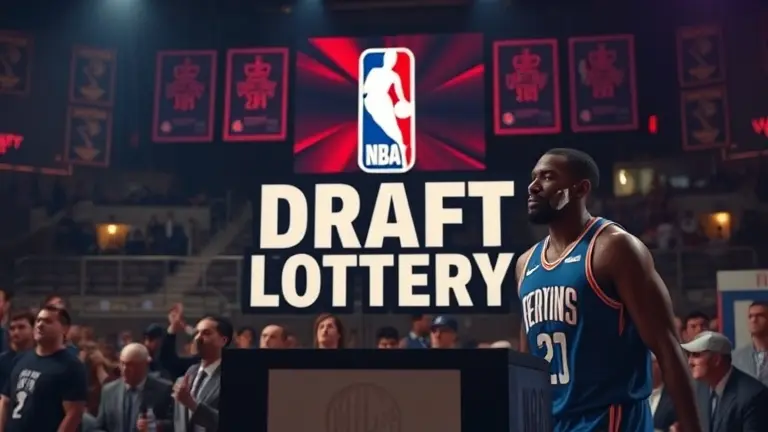
The ping-pong balls are about to drop, and for franchises like the Wizards, Pacers, and Nets, May 10, 2026, marks the most pivotal 24 hours of the decade. While casual fans focus solely on the lottery percentages, the true weight of this event lies in the structural shift of the league’s competitive landscape. We aren’t just watching a random draw; we are witnessing the exact moment a franchise’s rebuild either accelerates into contention or stalls in mediocrity for another three years. The desperation index for these teams has never been higher, as the talent pool in the upcoming June draft offers the kind of cornerstone potential that defines eras.
Analyzing this draft class through a standard lens is no longer enough to stay ahead of the curve. To truly understand how these lottery outcomes will reshape the NBA, you must synthesize complex data sets—from individual prospect metrics to the specific roster deficiencies plaguing bottom-tier teams. This is a high-stakes chess match played with probability and potential, requiring a level of mental acuity that separates the casual observer from the expert analyst.
The Road to the 2026 NBA Draft Lottery: What to Expect on May 10

The 2026 NBA Draft Lottery stands as the definitive pivot point for the league’s rebuilding franchises. Scheduled for May 10, 2026, this high-stakes event transforms the landscape of professional basketball, dictating which teams earn the right to select foundational talent in the upcoming June 23-24 draft. For organizations like the Washington Wizards, Indiana Pacers, and Brooklyn Nets, the ping-pong ball sequence represents more than just a draft position; it is a potential catalyst for long-term championship contention or a continued struggle for relevance in an increasingly competitive Eastern Conference.
The Stakes and Strategic Implications
Unlike previous years, the 2026 cycle is defined by the absence of a consensus “can’t-miss” prospect, which paradoxically increases the tension for front offices. Because there is no clear-cut No. 1 choice, the variance in scouting reports is high, placing immense pressure on general managers to correctly identify who serves as a franchise cornerstone. This atmosphere of uncertainty means that securing a top-three pick is less about drafting a specific name and more about gaining the flexibility to trade for proven stars or target specialized roster needs.
Key factors shaping the narrative leading into the lottery include:
- Franchise Stability: Teams facing intense pressure from stakeholders to escape the lottery cycle are treating the upcoming draft as a “must-win” maneuver to revitalize their brand.
- Structural Reform: Discussions regarding the lottery methodology continue, with analysts watching closely to see if the current odds distribution successfully deters “tanking” or if minor adjustments are required for future seasons.
- Market Impact: The difference between a high-lottery pick and a mid-round selection in this specific class could define the next five years of salary cap management and on-court performance.
As fans and analysts prepare for the reveal, the focus remains on how these probabilities manifest into reality. Whether it is a “winner” vaulting up the order or a “loser” sliding out of the top tier, the May 10 event provides the essential data required for teams to finalize their draft boards and execute their offseason strategies.
Understanding the Odds: A Simplified Guide to the Lottery Mechanics
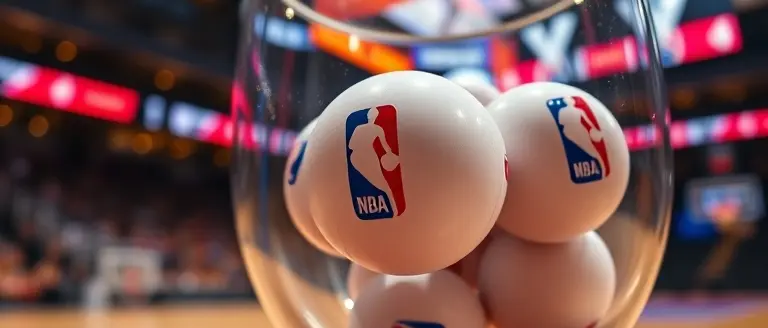
The NBA Draft Lottery process is often shrouded in mystery, but at its core, it is a transparent, mathematically weighted system designed to discourage tanking while rewarding struggling franchises with top-tier talent. To understand how the lottery mechanics determine the fate of teams like the Wizards, Pacers, or Nets, you must look at the “four-number combination” process. The league utilizes 14 ping-pong balls, numbered 1 through 14. Before the drawing, these balls are placed into a machine, and four are selected to create a unique four-number combination. Because there are 1,001 possible combinations, the league assigns a specific number of these combinations to each non-playoff team based on their final regular-season standings.
How the Weighted System Functions
The distribution of these combinations is the foundation of the draft lottery odds. The teams with the worst records are assigned the highest number of combinations, giving them a greater statistical probability of securing the coveted No. 1 overall pick.
- The Weighting Logic: The three teams with the worst records each receive a 14% chance of winning the top pick. This ensures that even the “worst” team isn’t guaranteed the first selection, tempering the incentive to lose games intentionally.
- The Drawing Process: The lottery machine draws the four-number combinations one at a time. If a combination assigned to a team that has already been drawn is selected, the draw is discarded, and the process repeats until a new team is determined.
- Remaining Order: Once the top four picks are determined via the lottery machine, the remaining lottery teams are assigned the rest of the draft order in inverse order of their regular-season winning percentage.
Understanding these mechanics is essential for fans tracking the 2026 NBA Draft. While the odds define the baseline, the actual “ball drop” introduces a layer of variance that can fundamentally alter a franchise’s trajectory. Whether your team sits in the bottom three or is a borderline lottery squad, the process remains a fair, objective method for distributing the brightest stars of the incoming draft class.
Franchise-Altering Scenarios: Impact Reports for Top-Tier Contenders

The NBA draft lottery represents the most critical inflection point for rebuilding franchises. As we approach the May 10, 2026, event, the “desperation index” for the Washington Wizards, Indiana Pacers, and Brooklyn Nets is at an all-time high. Unlike years past with a consensus superstar, the 2026 class requires front offices to align specific roster holes with high-upside prospects, as a top-three pick could fundamentally shift their trajectory from lottery dwellers to playoff contenders.
Strategic Outlook for Top-Tier Lottery Teams
- Washington Wizards: Having endured a prolonged period of roster instability, the Wizards are in dire need of a primary initiator. A top-three selection would likely be used to secure a high-ceiling playmaker capable of dictating pace. Their current gap in perimeter defense and shot creation makes this draft pivotal for establishing a long-term identity.
- Indiana Pacers: Evidence suggests the Pacers are looking for frontcourt versatility to complement their existing backcourt depth. If they land a premier pick, their strategy will likely focus on an elite wing or big man who can switch defensively, addressing the structural weaknesses that hindered their postseason push this year.
- Brooklyn Nets: The Nets are entering a phase of deep evaluation. For Brooklyn, a lottery win isn’t just about talent acquisition; it is about securing a cornerstone piece that justifies their long-term rebuild plan. They are expected to prioritize high-efficiency scorers who can integrate into a modern, spacing-heavy system.
Ultimately, these teams are not just playing for draft position; they are playing for organizational legitimacy. The ability to land a foundational player in this draft will allow these franchises to accelerate their timelines, transforming early-round equity into the necessary leverage to challenge the current power structure of the Eastern Conference.
Analyzing the Winners and Losers: Post-Lottery Reaction and Strategy

The NBA Draft Lottery serves as the definitive turning point for rebuilding franchises, often dictating the competitive trajectory for the next half-decade. When the ping-pong balls settle on May 10, 2026, the immediate reaction for fanbases should focus on the delta between their pre-lottery probability and their actual draft position. Teams that “jump” into the top three—surpassing their statistical odds—are clear winners, gaining the leverage to select potential franchise cornerstones or package the pick for established star talent. Conversely, teams that slide represent the “losers,” forced to pivot from drafting a generational prospect to evaluating mid-to-late lottery talent, which often necessitates a more conservative, long-term roster development strategy.
Framework for Evaluating Post-Lottery Outcomes
To move beyond the initial shock of the results, fans should analyze their team’s standing through a three-pillared framework:
- The Prospect-Fit Analysis: Given that the 2026 draft class lacks a consensus “clear-cut” No. 1, assess whether your team’s specific lottery position provides access to the high-ceiling perimeter scorers or foundational bigs that address your roster’s greatest voids.
- The Asset Leveraging Potential: Evaluate whether the front office is better served by keeping the pick or utilizing the newfound draft capital as a trade chip. High-lottery teams with deep rosters may look to consolidate picks to acquire an All-Star caliber veteran who can accelerate a championship window.
- The Rebuild Velocity: Determine if the outcome preserves or compromises the team’s cap space and future flexibility. If a team lands a pick that does not align with their current timeline, the draft becomes a pivotal moment for off-season trade maneuvers rather than a simple talent acquisition play.
Ultimately, the NBA Draft Lottery results are merely the first domino. Whether a team secures the top spot or faces the frustration of a lower-than-projected selection, the successful franchises will be those that integrate their new pick—or the assets gained in exchange for it—into a cohesive, long-term identity that transcends the randomness of the lottery process.
Mastering the Analytical Edge
As we approach the lottery, the difference between an accurate prediction and a missed opportunity lies in your ability to synthesize vast amounts of scouting data and probability models without succumbing to mental fatigue. Evaluating these career-defining scenarios demands more than just passion; it requires peak cognitive performance to connect the dots between raw player potential and the harsh reality of franchise stability.
This is where The Brain Song becomes your ultimate competitive advantage. Just as NBA players undergo rigorous physical conditioning to handle the pressure of the court, you need to condition your mind for the intensity of high-stakes sports analysis. Our science-backed audio routine is engineered to help you achieve the laser-like focus necessary to process complex mock draft data and intricate lottery variables with ease, preventing the mental burnout that often hinders deep research.
Positioned as the essential tool for the modern, high-level analyst, this performance enhancer ensures you stay sharp while others struggle to keep up with the data flow. Whether you are prepping for the May 10 reveal or deep-diving into June’s prospects, sharpen your mind today to ensure you are the first to decode the future of the league. Invest in your analytical capacity and master the draft like a pro scout.
 Sharpen your analytical edge for the 2026 Draft—try The Brain Song’s 12-minute audio routine to master your mock draft research.Transform My Analytical Edge Now!