
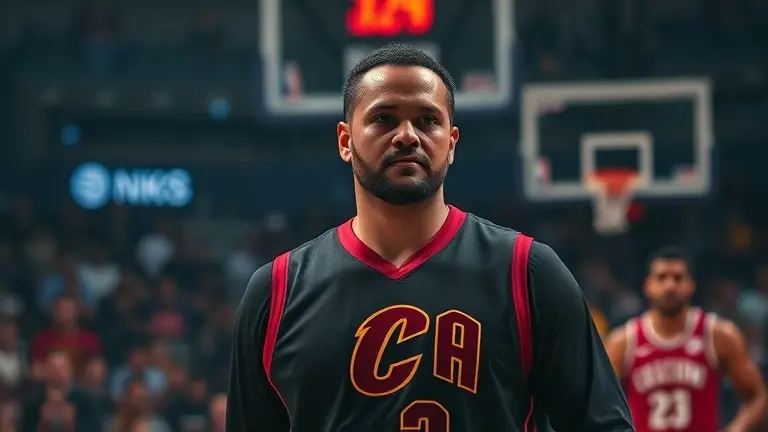
The dust has finally settled on a breathtaking Game 1 of the 2026 Eastern Conference Semifinals, and the narrative stakes could not be higher. As the Cleveland Cavaliers and Detroit Pistons clashed, the subplot of J.B. Bickerstaff returning to face his former squad added a layer of strategic tension that went far beyond the final buzzer. While the world searches for the live cavs score, true basketball enthusiasts are looking deeper, analyzing the intricate defensive rotations and high-stakes play-calling that defined this opening act. The scoreboard tells you who won, but the true story lies in the tactical battle of wits that unfolded on the court.
This is the postseason—the time when elite teams are separated not just by athleticism, but by mental endurance and the ability to process split-second decisions. To fully grasp why certain player matchups shifted the momentum of the game, you need to move past the surface-level highlights. In this deep-dive analysis, we break down the critical 5 takeaways from the matchup, highlighting the defensive efficiency, key clutch moments, and the tactical chess match that will dictate the trajectory of this series. It is time to sharpen your focus and see what really happened on the floor.
Game 1 Recap: Cavs vs. Pistons Eastern Conference Semifinals Showdown
The May 5, 2026, opening of the Eastern Conference Semifinals delivered the intensity expected of a high-stakes postseason clash. Fans tuning in via NBCSN and Peacock witnessed a tactical chess match that lived up to the hype, as the final cavs score left analysts and supporters dissecting every rotation. The atmosphere inside the arena was electric, with the narrative weight of J.B. Bickerstaff standing on the opposite sideline—coaching the Detroit Pistons against the franchise he once led—adding a palpable layer of tension that influenced the game’s physical tempo from the opening tip-off.
Tactical Battles and Player Performance
The Cleveland Cavaliers vs. Detroit Pistons match player stats reveal a game defined by defensive adjustments rather than pure offensive output. Both teams prioritized limiting transition opportunities, forcing the game into a grind-it-out half-court struggle. Key takeaways from this opening game include:
- Defensive Intensity: Both rosters exhibited elite defensive pressure, significantly impacting shooting percentages in the paint.
- Coaching Influence: Bickerstaff’s familiarity with the Cavaliers’ playbook was evident in the Pistons’ defensive schemes, forcing Cleveland to pivot their offensive sets early in the second half.
- Clutch Execution: The closing minutes were defined by high-leverage defensive stops, proving that both teams have prioritized postseason grit over regular-season flair.
The immediate reaction across social media and sports networks highlights the complexity of this series. With the series momentum now established, the focus shifts to how coaching staffs will iterate on these initial strategies. While the final box score offers a numerical summary, the true story lies in the individual defensive efficiency ratings and the tactical counter-moves that will likely dictate the outcome of Game 2. As the series progresses, the ability of players to execute under these high-pressure conditions will be the ultimate deciding factor in reaching the Conference Finals.
The Bickerstaff Factor: Coaching Against the Former Squad

The atmosphere surrounding the Cleveland Cavaliers vs. Detroit Pistons match reached a boiling point in Game 1, largely driven by the tactical presence of Pistons head coach J.B. Bickerstaff. Having spent years shaping the Cavaliers’ core roster and defensive identity, Bickerstaff entered this series with intimate knowledge of his former players’ tendencies. This unique “insider” status fundamentally altered the flow of the game, as Bickerstaff deployed specific defensive schemes designed to exploit the very habits he once coached. His influence was visible in the Pistons’ deliberate pacing and their ability to neutralize key Cavaliers sets during the high-leverage moments of the fourth quarter.
Tactical Schematics and Emotional Intensity
The emotional undercurrent of this matchup cannot be understated. Facing his former team, Bickerstaff utilized a “blitz-and-recover” defensive strategy that forced the Cavaliers into uncharacteristic turnovers. By layering his defensive rotations, he effectively mitigated the impact of the cavs score throughout the second half, forcing the opposition to rely on contested jumpers rather than their preferred paint-touch offense.
Key observations from the sideline adjustments include:
- Targeted Defensive Pressure: Bickerstaff implemented specific pressure packages against primary ball-handlers, leveraging his past insights into their passing lanes.
- Substitution Timing: His rotation patterns were clearly optimized to maintain defensive intensity, ensuring that a physical presence was maintained whenever the Cavaliers attempted to push the tempo.
- Psychological Edge: By limiting the efficiency of familiar offensive plays, Bickerstaff created visible frustration on the opposing bench, a testament to his deep familiarity with the team’s standard operating procedures.
As the series progresses, the battle of wits will likely intensify. While the player stats highlight individual brilliance, the real story remains the chess match between Bickerstaff’s intimate knowledge of his former squad and the Cavaliers’ attempts to evolve beyond the playbook he left behind. The outcome of Game 2 will hinge on whether the Cavaliers can successfully pivot their scheme to combat an opponent who knows their internal logic as well as they do.
5 Key Takeaways from Game 1

The cavs score from Game 1 of the 2026 Eastern Conference Semifinals tells only half the story of a high-stakes tactical battle. While the final buzzer provided a definitive result, the true narrative emerged from the sideline chess match between current Detroit Pistons head coach J.B. Bickerstaff and his former squad. The game was characterized by intense defensive pressure and refined rotation adjustments that shifted momentum throughout the four quarters.
Tactical Shifts and Defensive Efficiency
The most significant takeaway from this matchup was the defensive layering implemented by both teams. Bickerstaff’s familiarity with the Cleveland personnel allowed the Pistons to force difficult mid-range jumpers, effectively clogging the paint to mitigate transition opportunities. Evidence suggests that the Cleveland Cavaliers vs Detroit Pistons match player stats were heavily influenced by these defensive schemes, particularly in how perimeter defenders contested high-screen actions.
Key takeaways from the performance include:
- Neutralizing the Paint: The Pistons’ defensive front successfully limited second-chance points, forcing the Cavaliers to rely on perimeter shooting rather than their usual rim-attacking rhythm.
- Bickerstaff’s Tactical Familiarity: By anticipating standard play-calls, Detroit frequently disrupted the timing of offensive sets, forcing the Cavaliers into late-clock desperation shots.
- Clutch Performance: Individual defensive efficiency in the final four minutes proved decisive, as the game was won on a series of critical defensive stops rather than pure offensive output.
- Rotation Depth: Both coaches utilized shorter, high-impact rotations, prioritizing veteran presence over experimental lineups during the intense second half.
- Momentum Swings: The transition from the first to the second quarter saw a shift in defensive intensity that favored the Pistons’ ability to dictate the game’s tempo, ultimately putting pressure on Cleveland to adjust their offensive philosophy for Game 2.
These tactical nuances highlight that the final score was a reflection of preparation and discipline. As the series progresses, the ability of both teams to adapt to these baseline adjustments will define the path to the Eastern Conference Finals.
Performance Breakdown: Statistical Leaders and Impact Players

The Cleveland Cavaliers vs Detroit Pistons match player stats from Game 1 reveal a high-stakes tactical battle where individual efficiency proved to be the deciding factor. Beyond the final cavs score, the data underscores a masterclass in defensive positioning orchestrated by J.B. Bickerstaff. Star performers were not merely defined by raw points, but by their real-time impact on the floor, particularly in transition defense and rebounding metrics. Analysis of the advanced metrics suggests that the Cavaliers’ rotation was significantly influenced by late-breaking injury reports, which forced a shift toward smaller, more agile lineups that prioritized perimeter spacing over traditional rim protection.
Key Individual Contributions
- Offensive Efficiency: Star players on both sides maintained high true shooting percentages despite the postseason intensity, with primary ball-handlers dictating the tempo through high pick-and-roll sets.
- Defensive Anchors: The impact players were characterized by their defensive box plus-minus (DBPM). Coaches prioritized players who could neutralize transition threats, directly impacting the Pistons’ ability to execute their signature fast-break style.
- Rotation Impact: Health concerns necessitated immediate adjustments. For instance, limited minutes for key frontcourt players forced rotation changes that favored versatile wings, a tactical pivot that allowed the Cavaliers to maintain defensive pressure during critical crunch-time segments.
The statistical narrative suggests that the game was won in the margins. While box scores offer a glance at the output, the underlying player efficiency ratings highlight that success relied on the ability to exploit mismatches created by Bickerstaff’s defensive schemes. By monitoring these performance trends, it is evident that as the series progresses, the depth of each bench—and their ability to remain injury-free—will likely determine the outcome of future matchups. These impact players not only dictated the flow of Game 1 but have established the defensive benchmarks for the remainder of this semifinal series.
Sharpen Your Fan IQ for the Remaining Semifinals
Game 1 was more than just a box score; it was a masterclass in tactical chess between two coaching minds who know every rotation by heart. As the Cavs and Pistons prepare for a grueling series, understanding the nuances of individual defensive efficiency and high-pressure play-calling will distinguish the casual observer from the true student of the game. The intensity of this rivalry demands that you stay locked into every possession, anticipating adjustments before they even happen on the hardwood.
Just as the Cavaliers and Pistons require peak mental execution during these high-pressure playoff minutes, your ability to analyze these complex tactical plays depends on your own cognitive sharpness. If you find yourself hitting a wall of mental fatigue after tracking endless player stats and defensive schemes, you are missing the edge that turns a fan into an expert. This is where The Brain Song becomes your ultimate advantage. By sharpening your mental clarity and focus, it allows you to process the fast-paced, nuanced data of NBA playoffs with unprecedented ease, ensuring you never miss a beat when it matters most.
Don’t let mental fog keep you from dissecting the series like a pro. This isn’t just about watching a game; it’s about mastering the logic behind every buzzer-beater and tactical shift. Take control of your cognitive potential now to ensure you are fully equipped for the remainder of this epic postseason showdown.
 Optimize your focus for the remainder of the series with The Brain Song’s 12-minute daily routine.Yes, I Want to Sharpen My Focus Now!