
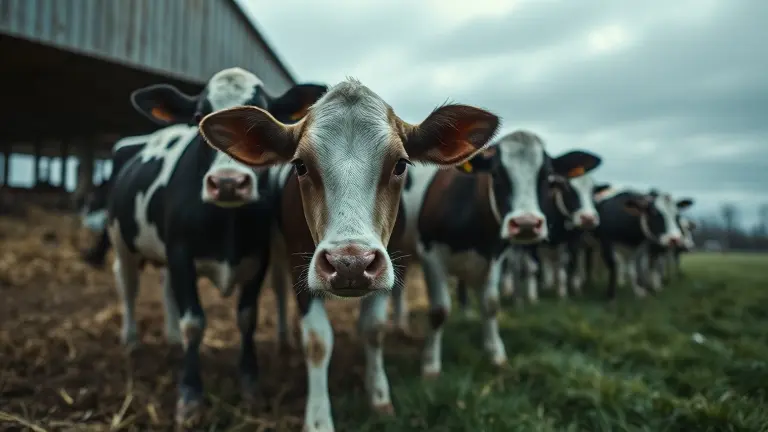
In the dead of night between May 2 and May 3, 2026, a quiet family farm in Mercer County, Ohio, became the site of a brazen and highly coordinated criminal operation. Sixty-four Holstein calves, collectively valued at over $100,000, vanished from a converted turkey barn in a matter of hours. Sheriff Doug Timmerman has characterized the theft as a sophisticated act of modern-day cattle rustling, suggesting that the perpetrators possessed not only industry-specific knowledge of livestock handling but also the logistical means to transport such a significant herd undetected. This chilling event has sent shockwaves through the agricultural community, forcing a necessary, uncomfortable conversation about the vulnerabilities lurking on our own properties.
While the investigation continues, the broader reality remains: many agricultural operations rely on makeshift or outdated infrastructure that leaves valuable assets exposed. The Mercer County incident highlights that when it comes to farm security, sophisticated equipment like surveillance cameras is only as effective as the physical barriers they protect. As this heist demonstrates, the first line of defense against organized agricultural crime is the structural integrity of the facilities housing your livestock. It is time for farmers to move beyond vulnerable, amateur-build enclosures and embrace professional-grade security through smarter construction.
Highly Coordinated Theft: 64 Holstein Calves Stolen in Mercer County

In a brazen act of modern-day cattle rustling, 64 Holstein calves were stolen from a family farm in Mercer County, Ohio, between 10 p.m. on Saturday, May 2, 2026, and 6 a.m. the following morning. The theft, which occurred at a facility near the intersection of State Route 219 and Coldwater Creek Road, has sent shockwaves through the local agricultural community. The calves were being housed in a converted turkey barn functioning as a starter facility. With each animal valued between $1,800 and $2,000, the total financial impact of this heist is estimated to be between $100,000 and $128,000, marking a devastating loss for the farm owners.
A Highly Coordinated Operation
The Mercer County Sheriff’s Office, led by Sheriff Doug Timmerman, has officially classified the incident as a highly coordinated, professionalized crime. Investigators emphasize that the logistical complexity required to transport 64 calves in a single overnight window suggests the perpetrators possessed specific knowledge of both cattle handling and rural transport operations. The fact that the thieves navigated two different stages of cattle development within the same barn implies they were familiar with the facility’s layout and management practices.
Key details regarding the investigation include:
- Targeted Timing: The heist was executed during an eight-hour window of darkness, suggesting careful surveillance of the farm’s routines.
- Professional Expertise: The nature of the operation indicates a high level of industry-specific knowledge, likely involving specialized livestock trailers.
- Economic Scale: The loss of 64 calves represents a significant hit to agricultural productivity in the region, drawing national attention to the vulnerability of family-owned livestock operations.
As the investigation continues, authorities are urging regional farmers to heighten security measures and report any suspicious activity involving large livestock trailers in the vicinity of local farms. The audacity of this 64 calves stolen Mercer County incident serves as a stark reminder of the persistent threats facing the agricultural sector in the 21st century.
The Rising Threat of Modern Cattle Rustling
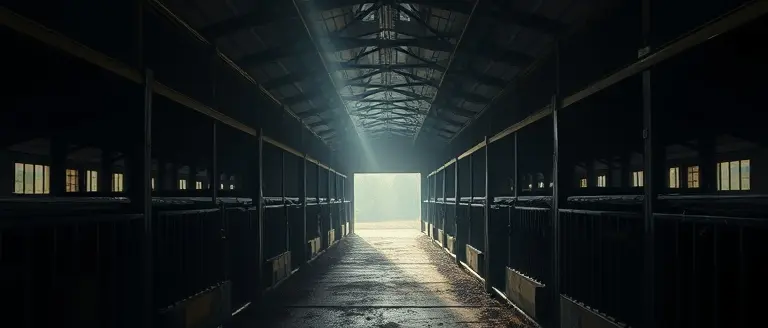
The recent incident where 64 calves were stolen in Mercer County has sent shockwaves through the agricultural sector, highlighting a grim evolution in rural crime. What was once viewed as a localized nuisance has transformed into a sophisticated, high-stakes operation. Law enforcement, including Sheriff Doug Timmerman, noted that the theft was “highly coordinated,” requiring not just manpower, but specific logistics to move over 100,000 dollars’ worth of livestock without detection. This level of precision suggests that perpetrators possess deep, industry-specific knowledge, likely involving the use of large trailers and established, albeit illicit, transit routes.
Anatomy of the Livestock Black Market
The existence of an agricultural black market creates the necessary infrastructure for these crimes to thrive. Once stolen, livestock are moved through clandestine channels designed to bypass standard traceability requirements. Common methods used by criminal syndicates include:
- Documentation Forgery: Illicit actors may falsify or entirely bypass required health papers and ownership certificates, allowing cattle to be sold at smaller or less regulated auction barns.
- Secondary Market Exploitation: Stolen animals are often integrated into “shadow” herds, where they are commingled with legitimate cattle to mask their origin before eventually being funneled to unverified processing facilities.
- Immediate Re-branding: In some cases, ear tags are removed or replaced, and brands are altered to render the livestock virtually unrecognizable to the original owners.
These thefts are rarely impulsive; they require a pre-planned network ready to receive, shelter, and redistribute the animals. The logistical hurdle of transporting 64 Holstein calves overnight indicates that the perpetrators knew exactly how to handle young animals and where they could be moved to avoid the scrutiny of standard agricultural oversight. As rural communities face these rising threats, the industry is being forced to reconsider its traditional security protocols to safeguard against the professionalization of cattle rustling.
Farm Security: Protecting Your Livestock Against Organized Crime

The incident involving 64 calves stolen in Mercer County serves as a stark reminder that modern agricultural operations are increasingly targeted by sophisticated actors. To mitigate the risk of such “highly coordinated” thefts, farm owners must transition from traditional perimeter fencing to multi-layered, proactive security strategies. Because perpetrators of this caliber often possess deep industry knowledge and logistical planning capabilities, security measures must prioritize both deterrence and real-time detection to prevent unauthorized access to high-value livestock.
Implementing Hardened Security Measures
Family farms are often vulnerable due to their remote locations and expansive footprints. Implementing the following technologies can create a hostile environment for potential thieves:
- AI-Powered Surveillance: Install high-resolution cameras equipped with motion-activated infrared sensors and AI-based analytics that distinguish between livestock movement and human intruders. These systems should be linked to off-site cloud storage to ensure footage is preserved even if hardware is tampered with.
- Perimeter and Access Control: Beyond standard gates, utilize industrial-grade locking mechanisms and “smart” gate sensors that send instant alerts to mobile devices when opened.
- Motion-Activated Lighting: High-intensity LED floodlights placed around barns and loading areas act as a significant deterrent, removing the cover of darkness necessary for clandestine livestock transport.
- Digital Inventory Tracking: Maintain rigorous, real-time records and utilize modern ear-tagging or RFID tracking systems, which make it difficult for stolen animals to be integrated into legitimate supply chains or sold at auction houses.
Beyond hardware, the human element of security is paramount. Farmers are encouraged to form or participate in local agricultural crime watch groups. By sharing reports of suspicious activity—such as unfamiliar vehicles scouting properties or unusual inquiries regarding livestock inventory—communities can create a network of vigilance. The theft in Mercer County highlights that in an era of professionalized “cattle rustling,” collective intelligence and modern technical safeguards are essential to protecting your farm’s economic future.
Economic Devastation: The Impact on Small Family Farms

The incident in which 64 calves were stolen in Mercer County represents far more than a mere criminal statistic; for a family-owned operation, it is a catastrophic financial blow that can threaten the very viability of the farm. While industrial-scale feedlots often possess the capital reserves or corporate insurance structures to absorb significant losses, family farms operate on razor-thin margins. When livestock valued between $1,800 and $2,000 per head are vanished in a single night—resulting in a total loss exceeding $100,000—the economic shockwave is immediate and profound. This capital is typically tied up in operational costs, feed, and future herd expansion, meaning the theft effectively liquidates the farm’s projected income for the upcoming season.
The Hidden Costs of Agricultural Crime
Beyond the raw market value of the stolen livestock, small producers face compounding challenges that often go overlooked by those outside the industry:
- Insurance Limitations: Many standard agricultural policies are not tailored for high-stakes livestock theft. Recovering the full market value of the animals is a complex, time-consuming process that often leaves farmers responsible for significant gaps in coverage.
- Genetic and Operational Disruptions: For farmers practicing selective breeding, these calves represented the future of their herd’s genetics. Replacing them is not as simple as buying new stock; the loss of specific bloodlines sets back years of careful management and breeding programs.
- Psychological Toll: The security of a family home and workplace is shattered during a “highly coordinated” heist. The psychological stress of wondering who had the industry-specific knowledge to pull off such an operation can create a long-term climate of fear within the tight-knit agricultural community.
Ultimately, this cattle rustling incident underscores the extreme vulnerability of family-run businesses. Unlike corporate entities, these farms rely on individual relationships and localized infrastructure, making them easier targets for perpetrators who understand the nuances of the agricultural supply chain. For the farmers in Mercer County and beyond, the path to recovery involves not just replacing the livestock, but navigating a complex financial and legal aftermath that could linger for years.
Fortify Your Farm Against Modern Threats
The theft in Mercer County serves as a stark reminder that in the 21st century, agricultural security is as much about physical engineering as it is about vigilance. Relying on converted, improvised, or aging structures leaves family farms dangerously exposed to well-coordinated criminal elements. To prevent future breaches, it is critical to transition from makeshift facilities to robust, professionally designed enclosures that act as a hardened perimeter against unauthorized access.
Building a more secure operation does not require hiring expensive contractors or settling for weak materials. By utilizing professional-grade construction plans, you can take control of your farm’s infrastructure, ensuring that every barn and starter facility is built to withstand both the elements and the threat of intrusion. Investing in the structural integrity of your property is the most effective way to deter theft and protect your livelihood from the growing risks of the agricultural black market.
Ted’s Woodworking provides the essential technical blueprints needed to fortify your farm with secure, professional-grade builds. These resources empower you to replace vulnerable, amateur structures with high-quality, reinforced designs that provide real peace of mind. Secure your assets and build a safer future for your livestock today.
 Build a more secure future for your livestock by accessing professional-grade construction plans for reinforced farm infrastructure.Secure My Farm Infrastructure Now!