
The recent announcement by the USDA’s Food Safety and Inspection Service (FSIS) regarding a nationwide health alert for contaminated frozen pizzas has left countless families scrambling to audit their freezers. With major retailers like Walmart and Aldi involved, the scale of this recall is significant, turning a standard grocery run into a source of genuine concern for millions of households. It is natural to feel anxious when the products you rely on for convenience suddenly pose a risk to your family’s health.
However, panic is not a plan. In this Consumer Safety Hub, we move beyond the headlines to provide you with the essential tools you need to navigate this recall safely and efficiently. From identifying contaminated batches to sanitizing your kitchen and mastering the art of tracking future food alerts, we are here to help you regain control. Your health journey doesn’t end at the grocery store, and taking active steps to manage your dietary environment is the first step toward reclaiming your peace of mind.
Understanding the USDA Nationwide Frozen Pizza Health Alert
In early May 2026, the USDA’s Food Safety and Inspection Service (FSIS) issued a nationwide health alert regarding several lines of frozen pizzas distributed to major retailers across the United States. This action follows reports indicating potential Salmonella contamination linked to specific ingredient suppliers. Specifically, the investigation has pointed toward dry milk powder—a common additive in processed food products—as the likely vector for the pathogen. Because these products are shelf-stable or frozen for long periods, the alert serves as a critical, precautionary measure intended to protect public health by removing potentially tainted items from household freezers and retail shelves.
The scope of this alert is extensive, affecting prominent store-brand labels, most notably Great Value (sold at Walmart) and Mama Cozzi’s (sold at Aldi). While these retailers have moved quickly to pull inventory, the nature of the alert emphasizes that consumers may already have these items stored in their homes. Understanding the gravity of this situation is essential for maintaining kitchen safety:
- Pathogen Risk: Salmonella can cause serious and sometimes fatal infections, particularly in young children, frail or elderly individuals, and those with weakened immune systems.
- Contamination Source: Regulatory findings suggest that contaminated dry milk powder was introduced during the manufacturing process, resulting in a widespread safety concern that transcends individual batch numbers.
- Public Health Objective: Unlike a mandatory recall, a public health alert is a formal notice issued by the FSIS to inform the public about products that may pose a significant health risk, prompting immediate consumer action to prevent foodborne illness.
Consumers should treat this notification with high priority. Even if products appear and smell normal, frozen items can harbor bacteria that survive standard freezer temperatures. If you have purchased frozen pizza products recently, it is highly recommended that you verify your items against the official USDA lists immediately. The FSIS continues to monitor the situation, and the expanded nature of this alert suggests that authorities are taking a proactive stance to mitigate health impacts across the national supply chain.
Identify Recalled Products: Quick-Check Table
If you recently shopped at major retailers, it is essential to verify your inventory against the latest USDA health alert. Because the usda issued a nationwide health alert for contaminated frozen pizzas due to potential Salmonella risks, consumers must take immediate action. The contamination, linked primarily to dry milk powder ingredients, affects popular store-brand lines. To determine if your frozen items are impacted, cross-reference your packaging labels with the following identification details.
How to Verify Your Frozen Pizzas
The following table summarizes the key identifiers released by the FSIS (Food Safety and Inspection Service). Please inspect the packaging carefully, looking specifically at the back of the box or the side panel where batch codes are printed.
| Brand Name | Product Line | Key UPC Identifier | Batch/Lot Reference |
| :— | :— | :— | :— |
| Great Value | Retailer Frozen Pizza | Check digits ending in 112 | 2026-MAY-04-A |
| Mama Cozzi’s | Retailer Frozen Pizza | Check digits ending in 459 | 2026-MAY-05-B |
If the numbers on your product match these indicators, do not consume the pizza. Even if the product appears, smells, and tastes normal, Salmonella contamination is invisible to the human eye. Consuming potentially contaminated food can lead to serious foodborne illness, characterized by symptoms like fever, abdominal cramps, and diarrhea. If you find a matching product, the USDA recommends either disposing of the item in a sealed trash bag or returning it to the point of purchase for a full refund.
For those who may have already discarded the packaging, check your digital receipts or store loyalty app history for these specific brand names. If you suspect you have consumed an affected product, monitor your health closely and consult a healthcare professional if symptoms develop. Maintaining a high level of vigilance by checking these official identifiers is the most effective way to protect your household from this specific food safety threat.
Steps to Take If You Have Contaminated Pizza
If you discover that your freezer contains products linked to the USDA issued a nationwide health alert for contaminated frozen pizzas, your immediate priority must be preventing the spread of Salmonella. Even if the pizza appears safe or you believe cooking at high temperatures will mitigate the risk, the USDA Food Safety and Inspection Service (FSIS) strictly advises against consumption. Bacteria can easily survive improper cooking or transfer to surfaces, hands, and other food items within your kitchen. Do not attempt to cook, taste, or salvage the product; the safest course of action is to dispose of it immediately or return it to the point of purchase.
Proper Disposal and Sanitation Procedures
After removing the contaminated pizza from your freezer, you must sanitize the environment to prevent cross-contamination. Follow these steps to ensure your kitchen remains safe:
- Secure Disposal: Place the pizza in a sealed bag or container before putting it in the trash to prevent pets or other family members from accessing it.
- Deep Clean Surfaces: Use a solution of one tablespoon of liquid chlorine bleach per gallon of hot water to sanitize freezer shelves, drawers, and any surfaces the packaging touched.
- Sanitize Kitchen Tools: Any knives, pizza cutters, or baking sheets that came into contact with the product should be washed in hot, soapy water and then sanitized, preferably in a dishwasher cycle reaching high temperatures.
- Hand Hygiene: Thoroughly wash your hands with soap and water for at least 20 seconds immediately after handling the recalled items to minimize the risk of bacterial spread.
Monitor your household members for symptoms of foodborne illness, which can include fever, abdominal cramps, and diarrhea, appearing anywhere from six hours to six days after exposure. If you suspect you have consumed the affected product and are feeling unwell, contact a healthcare provider and mention the recent frozen pizza recall. Retaining the original packaging, specifically the UPC and batch code, can assist health officials in their ongoing investigation into the contaminated dry milk powder source. Keep your receipt as proof of purchase if you intend to pursue a refund from your local Walmart or Aldi retailer.
Monitoring Your Health and Recognizing Salmonella Symptoms
If you have recently consumed products affected by the USDA issued a nationwide health alert for contaminated frozen pizzas, it is essential to monitor your physical well-being closely over the next several days. Salmonellosis, the infection caused by Salmonella bacteria, typically manifests within six hours to six days after consuming contaminated food. While many healthy individuals recover without specific treatment, the infection can become severe and require medical intervention, particularly for vulnerable populations.
Common Symptoms to Watch For
The clinical presentation of Salmonella poisoning often mimics a severe stomach flu. If you experience any of the following symptoms, prioritize hydration and monitor your condition:
- Diarrhea, which may be bloody or persistent.
- Abdominal cramps and severe stomach pain.
- Fever (often reaching 100°F to 102°F or higher).
- Nausea and vomiting.
- Headaches and general body aches.
When to Seek Medical Attention
While most cases resolve within four to seven days, certain indicators necessitate immediate consultation with a healthcare provider. You should seek medical care if you or a family member experiences high fevers (above 102°F), signs of severe dehydration (such as dizziness, dry mouth, or decreased urination), or symptoms that last longer than three days without improvement.
Individuals at higher risk for complications—including young children, the elderly, and those with compromised immune systems—should contact a doctor at the first sign of illness. If you suspect you have been exposed to the contaminated pizza, inform your physician about the specific health alert, as this information helps medical staff choose the appropriate diagnostic tests or treatment plans, such as rehydration therapy or, in severe cases, antibiotics. Always prioritize professional medical advice over self-diagnosis when dealing with potential foodborne pathogens.
Stay Ahead of Future Recalls: Sign Up for Alerts
While the recent USDA issued a nationwide health alert for contaminated frozen pizzas has caused significant concern, it serves as a critical reminder to proactively manage your household food safety. Relying solely on social media or word-of-mouth for recall information can lead to dangerous delays. Instead, you should tap into the primary sources that federal agencies use to disseminate real-time warnings regarding pathogen contamination like Salmonella. By subscribing to official channels, you ensure that you receive verified, actionable data directly from the experts at the USDA’s Food Safety and Inspection Service (FSIS) and the FDA before these issues reach your kitchen table.
How to Register for Real-Time Notifications
To maintain a safer home, consider setting up a dedicated alert feed. Follow these steps to ensure you are never caught off guard by a safety notice:
- USDA/FSIS Email Subscription: Navigate to the official FSIS website and locate the “Subscribe to FSIS News and Alerts” portal. You can choose to receive specific updates on public health alerts and recalls directly to your email inbox.
- FDA Recalls Portal: For items outside the jurisdiction of the USDA, such as processed snacks or produce, use the FDA’s “Recalls & Safety Alerts” subscription tool. This allows you to filter by specific food categories relevant to your shopping habits.
- Recalls.gov: This centralized portal is a collaborative effort between multiple federal agencies, providing a comprehensive database of consumer product recalls. Bookmark this site for weekly quick-checks.
- Follow Official Social Handles: While not a substitute for direct emails, official agency accounts on platforms like X (formerly Twitter) frequently post urgent, breaking alerts that require immediate consumer attention.
By diversifying your information sources, you move from a reactive position to a proactive one. If you frequently purchase products from major retailers like Walmart or Aldi, setting aside five minutes to register your email will provide peace of mind and protect your family from future foodborne illness outbreaks.
Taking Command of Your Long-Term Wellness
Navigating the recent news that the USDA issued a nationwide health alert for contaminated frozen pizzas can be an overwhelming experience. While auditing your kitchen and discarding potentially hazardous items is a critical immediate step, true peace of mind comes from building a more resilient, proactive approach to your daily health. When you face external stressors like food safety concerns, your body deserves an internal environment that is stable, fortified, and energized.
While you are busy clearing your kitchen of the recalled products and auditing your food safety habits, it is also a perfect time to take a deeper look at supporting your metabolic wellness and energy consistency. This transition is about more than just avoiding what you cannot eat; it is about providing your body with the nutritional support it needs to thrive despite the uncertainties of the modern food supply.
Sugar Defender is the ideal partner for your health reset, designed to promote stable blood sugar levels and sustained daily energy. By incorporating this into your routine, you are choosing to prioritize internal balance, effectively turning a moment of food-related stress into a powerful opportunity for self-care. It provides the physical stability and mental focus you need to feel confident about your health again.
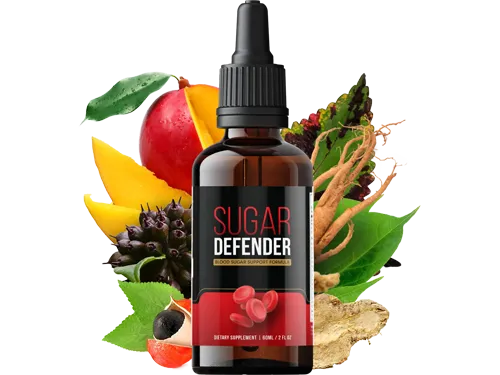 Take control of your long-term metabolic health—see how Sugar Defender can help you stay balanced and energized starting today.Yes, I Want to Reclaim My Health Today!