
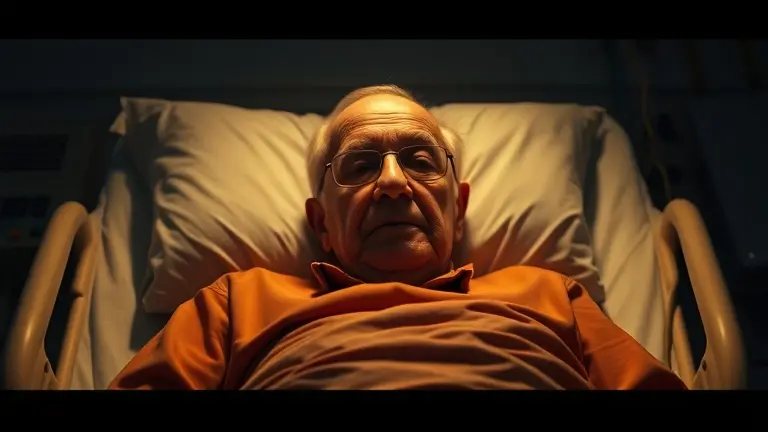
Rudy Giuliani, at 81 years old, has recently become the center of intense public concern following his emergency hospitalization in West Palm Beach, Florida. After reports emerged on May 3, 2026, that the former mayor was suffering from a severe case of pneumonia and had been placed on a ventilator, the news sparked immediate interest regarding his health progression. Having noted feeling ‘under the weather’ during an online broadcast just days prior, the rapid shift to a ‘critical but stable’ status has left many asking, what happened to Rudy Giuliani?
This article provides a neutral, verified timeline of the events surrounding the hospitalization and the subsequent updates on his recovery. By focusing on the clinical facts rather than political speculation, we aim to offer clarity on his current health status as he continues to breathe on his own. As we examine the details of this medical situation, it serves as a timely reminder of the importance of respiratory health, particularly for those navigating the challenges of aging in today’s demanding environment.
Timeline of Rudy Giuliani’s Hospitalization: May 2026

The recent medical emergency involving Rudy Giuliani, who is currently 81 years old, began to unfold in early May 2026. Public concern regarding his health intensified following his appearance on an online broadcast on May 1, where he openly remarked that he was feeling “under the weather.” This initial comment provided the first public indication that the former New York City mayor was experiencing health complications, though the severity of his condition remained unclear at the time.
By May 3, the situation escalated significantly. Rudy Giuliani was hospitalized in West Palm Beach, Florida, after his condition deteriorated. Subsequent reports confirmed that he was admitted to a medical facility—Good Samaritan Hospital—where he was initially listed in “critical but stable” condition. Spokesperson Ted Goodman played a vital role in communicating with the press, confirming that Giuliani had been diagnosed with pneumonia. As the situation evolved, medical teams placed him on a ventilator to support his respiratory function, a measure that prompted widespread rudy giuliani news coverage and public inquiry into what exactly had happened to the high-profile figure.
Progression of Recovery and Status Updates
On May 4, supporters and the public received an encouraging update. According to statements provided by his representatives, the medical team successfully transitioned him off the ventilator support. As of that afternoon, Giuliani was reported to be breathing on his own. This shift marked a critical milestone in his recovery process. The following summary outlines the key events surrounding this medical incident:
- May 1: Giuliani notes during an online broadcast that he is feeling unwell.
- May 3: Hospitalization confirmed in West Palm Beach due to severe pneumonia; he is placed on a ventilator.
- May 4: Spokesperson Ted Goodman confirms he is stable and now breathing without the assistance of a ventilator.
While his condition remains a subject of intense scrutiny, officials maintain that his status is being monitored closely by medical professionals. The swift medical intervention appears to have stabilized his vitals, allowing for a more positive outlook than initially reported during the onset of the crisis.
Current Medical Status and Official Updates

As of early May 2026, Rudy Giuliani, age 81, remains under medical observation following a serious health complication. The public inquiry regarding what happened to Rudy Giuliani intensified after reports confirmed he was hospitalized in West Palm Beach, Florida. Official statements from his spokesperson, Ted Goodman, have characterized his initial condition as “critical but stable,” citing a severe case of pneumonia as the primary driver behind the emergency medical intervention. Medical professionals note that at this age, respiratory infections can progress rapidly, necessitating swift clinical action to stabilize oxygen saturation levels and lung function.
Timeline of Recovery and Clinical Progress
Recent Rudy Giuliani news highlights a positive shift in his medical trajectory. While initial reports indicated he required the assistance of a ventilator, subsequent updates provided by his team on May 4, 2026, confirm that he is now breathing on his own. This transition is a critical milestone in his recovery, signaling that the acute phase of his respiratory distress is being managed effectively by the hospital staff. Key verified updates regarding his status include:
- Respiratory Status: Giuliani has been successfully weaned off mechanical ventilation and is maintaining independent respiratory function.
- Clinical Classification: Despite the move to independent breathing, he is classified as “critical but stable” as clinicians monitor for potential secondary complications associated with pneumonia.
- Early Indicators: The hospitalization followed public mentions by Giuliani on May 1, where he noted feeling “under the weather” during a recorded online program, serving as the first clinical sign of his declining health.
The medical team continues to provide supportive care to ensure a steady stabilization of his condition. While the public and media remain attentive to any new Rudy Giuliani updates, his representatives have emphasized that his treatment plan is focused on managing the infection and facilitating a controlled recovery. Observers monitoring the situation are encouraged to rely on official communications from his spokesperson to ensure accurate reporting on his health progress.
Pneumonia in Older Adults: Clinical Context

Pneumonia remains a significant health concern for the geriatric population, particularly for individuals aged 80 and older. At this stage of life, the physiological reserve—the body’s ability to bounce back from acute stressors—is often diminished. When an individual like Rudy Giuliani, who is 81, develops severe pneumonia, the infection can rapidly compromise lung function, leading to hypoxia (low blood oxygen levels). Clinical management for elderly patients often requires aggressive monitoring in intensive care units, where clinicians prioritize stabilizing oxygen saturation and managing secondary complications like electrolyte imbalances or cardiac stress.
Clinical Definitions and Stabilization
In hospital settings, the phrase “critical but stable” is a standard medical descriptor that conveys a precarious but managed state. “Critical” typically indicates that vital signs may be unstable or that the patient requires intensive care interventions, such as the use of a ventilator to support respiration. “Stable” signifies that the patient’s condition is not currently deteriorating and that their vitals are within an acceptable, albeit controlled, range.
Key factors in the recovery of older adults following respiratory distress include:
- Early Intervention: Rapid administration of intravenous antibiotics or antivirals to address the underlying pathogen.
- Respiratory Support: The transition from mechanical ventilation to unassisted breathing, which indicates improved lung compliance and cardiovascular stability.
- Physical Therapy: Post-acute recovery often involves respiratory exercises and early mobilization to prevent muscle atrophy and secondary infections like pneumonia-related blood clots.
While recent rudy giuliani news highlights the sudden nature of these health events, clinical data suggests that the elderly recovery trajectory is highly individualized. Modern geriatric care focuses on the gradual weaning of supportive devices, followed by a multi-disciplinary approach to regain strength and pulmonary function. Monitoring the progress of patients in this age bracket requires careful observation of their ability to maintain blood oxygen levels independently after the removal of external breathing support.
Guidelines for Monitoring Official Statements

Given the rapidly evolving nature of rudy giuliani news, it is essential for researchers, journalists, and concerned citizens to distinguish between verified medical updates and speculative social media commentary. When tracking the health status of a prominent public figure like Giuliani, rely exclusively on confirmed statements issued by official spokespeople, such as Ted Goodman. Because the situation remains fluid—with initial reports confirming his hospitalization in West Palm Beach and his subsequent transition to breathing on his own—information cycles can become saturated with unverified claims regarding his long-term prognosis.
To ensure you are consuming accurate information regarding what happened to rudy giuliani, follow these best practices for verifying real-time status updates:
- Prioritize Direct Spokesperson Quotes: Always look for direct attribution to official representatives. Statements regarding rudy giuliani hospitalized status are most reliable when they originate from his designated press team rather than third-party political commentators.
- Cross-Reference Reputable Outlets: Compare updates across established news organizations such as USA TODAY and CNN. If a major development, such as a change in his condition from “critical” to “stable,” is reported, ensure it is corroborated by multiple primary sources before considering it finalized.
- Observe Chronological Context: Understand that how old is rudy giuliani (81) plays a significant role in medical reporting. Be wary of clickbait headlines that prioritize urgency over clinical accuracy, as pneumonia recovery for an individual of his age is a complex process that requires time and steady clinical updates.
- Monitor Official Channels: Avoid relying on hearsay from forums or social media threads. If a specific development is not mentioned on verified media feeds or official statements, it is likely speculation and should not be treated as fact.
By maintaining a focus on verifiable data and avoiding reactive, emotionally charged commentary, you can better understand the progression of his recovery without falling victim to misinformation. Relying on these professional standards ensures that you remain informed about rudy giuliani without contributing to the spread of unverified rumors.
Prioritizing Your Respiratory Health Today
As the news cycle continues to monitor the health status of 81-year-old Rudy Giuliani following his recent battle with pneumonia, many are left reflecting on the vulnerability of the human respiratory system as we age. Whether it is an unexpected medical emergency or a gradual decline in function, these events serve as a poignant reminder that proactive health management is not a luxury—it is a necessity. Staying informed is the first step, but taking actionable measures to strengthen your body’s natural defenses is how you truly maintain control over your well-being.
While tracking these health updates, many have become increasingly conscious of the importance of supporting their own respiratory wellness and immune defenses. Maintaining the health of the upper respiratory system and sinuses is a vital, yet often overlooked, component of overall health maintenance. This is where a science-backed, proactive approach becomes essential. By supporting your respiratory microbiome, you can take a significant step in reinforcing your body’s natural resilience, ensuring that you are doing everything possible to stay strong.
ProDentim is uniquely positioned to support this goal, offering a targeted approach to maintaining your oral and respiratory microbiome. For those looking to take charge of their health, integrating a proven solution like ProDentim is the natural next step in a comprehensive wellness routine. Don’t wait for a wake-up call to prioritize your vitality. Take action now to support your long-term respiratory health and give your body the defense it deserves.

Discover how to support your respiratory system and oral microbiome with ProDentim.
Yes, I Want To Support My Respiratory Health Now!