
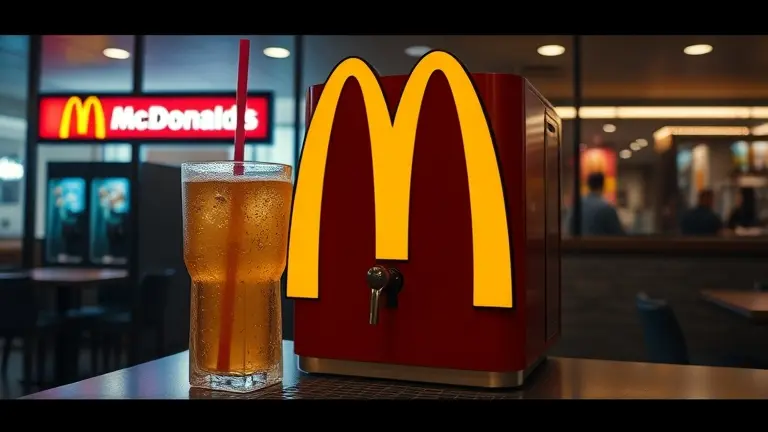
The familiar hum of the soda fountain at your local McDonald’s is slowly falling silent. As renovations sweep across U.S. restaurants, the iconic self-serve beverage station is being systematically removed, with a complete nationwide phase-out targeted for 2032. While this change was initially announced years ago, the recent physical disappearance of these machines has sparked widespread conversation about the end of the ‘free refill’ era. This move is not merely a cosmetic update; it is a strategic maneuver by McDonald’s to streamline operations, reduce waste, and shift focus toward a high-speed, digital-first experience centered on the drive-thru, delivery, and kiosk ordering.
But what does this mean for the average diner? Beyond the operational logistics, we are witnessing a fundamental shift in the fast-casual experience. As McDonald’s pivots toward a menu defined by trendy ‘dirty sodas’ and specialized refreshers, the era of unlimited, do-it-yourself soda is being replaced by a highly curated, and often more sugar-dense, beverage menu. For customers, understanding this transition is key to navigating the future of fast food, as the convenience of new, personalized drink options now demands a more cautious look at the metabolic impact of our favorite fast-food pairings.
The End of an Era: Understanding McDonald’s Nationwide Soda Changes
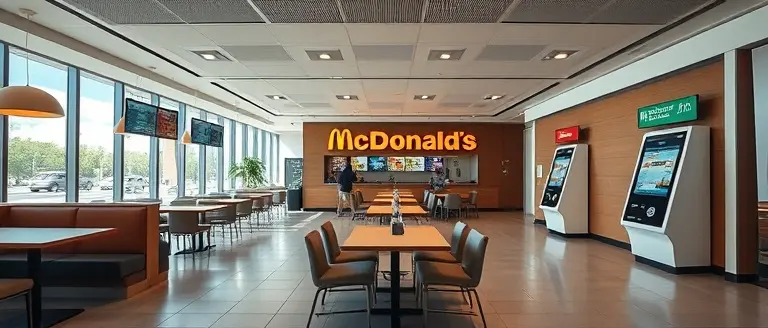
McDonald’s has officially set a firm deadline for the total removal of self-serve soda fountains in all U.S. restaurants by 2032. While the company first announced this strategic shift in 2023, the news has resurfaced in May 2026 as widespread dining room renovations accelerate across the nation. As local customers increasingly notice these machines being removed from lobby layouts, the reality of this transition is finally setting in. This move is not merely an aesthetic change; it is a calculated effort to modernize the fast-food experience to match evolving consumer habits.
The Strategic Shift Behind the Change
The primary driver behind these McDonald’s nationwide soda changes is the radical shift in how customers consume their meals. Data indicates that approximately 40% of domestic sales now stem from drive-thru, delivery, and digital kiosk ordering, significantly reducing the amount of time patrons spend in the dining room. By centralizing beverage service behind the counter, McDonald’s aims to:
- Improve Operational Efficiency: Staff can manage drink preparation as part of the standard assembly line, reducing the logistical burden of maintaining self-serve stations.
- Reduce Waste: Eliminating self-serve dispensers minimizes product waste and streamlines inventory management.
- Enhance Food Safety and Cleanliness: Removing high-touch communal machines simplifies cleaning protocols for store staff.
- Facilitate Menu Personalization: The transition allows for more complex, staff-prepared beverage options, such as the new line of “dirty sodas” and refreshers launching in May 2026.
By phasing out these machines, McDonald’s is signaling a definitive pivot toward a “restaurant of the future” model. This approach prioritizes speed and digital convenience over the traditional self-service culture. As physical footprints shrink and dining rooms become secondary to mobile and drive-thru volume, the soda fountain—once a staple of the fast-food experience—has simply become incompatible with the company’s vision for a highly digitized, streamlined dining environment.
The Future of Refills: Can You Still Get More Soda?
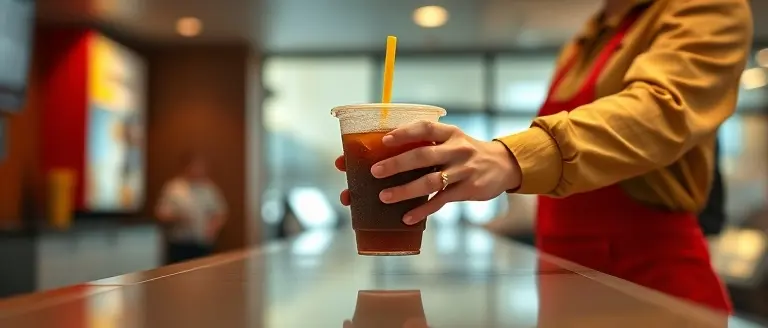
The most significant consumer anxiety surrounding the ongoing McDonald’s nationwide soda changes is the potential extinction of the “free refill” culture that has defined the fast-food experience for decades. As the brand pivots toward a 2032 deadline for the total removal of self-serve kiosks, many diners fear that the convenience of topping off a drink is vanishing. However, it is important to clarify that the removal of these machines does not necessarily mean an official corporate ban on refills. Instead, the process is shifting from a self-service model to a staff-facilitated request model. While the McDonald’s restaurant of the future emphasizes operational efficiency—largely driven by the fact that over 40% of sales now occur via drive-thru or digital channels—individual franchisees still retain significant autonomy over their specific location’s guest policies.
Navigating the New Beverage Experience
As these renovations continue, guests should prepare for a transition that prioritizes hygiene and consistency over the traditional “do-it-yourself” approach. If you find yourself in a location where the fountain is gone, keep the following tips in mind to navigate the change:
- Request at the Counter: Most restaurants transitioning to this model still honor refill requests upon presentation of your original cup or digital receipt. Simply approach the counter or speak to a staff member.
- Check Local Policy: Since McDonald’s operates on a franchise model, policies can vary wildly by city or owner. Some locations may offer free refills as a standard, while others may restrict them to the duration of your immediate visit.
- The “Dirty Soda” Factor: With the May 6, 2026, rollout of customized ‘dirty sodas’ and refreshers, the beverage menu is becoming increasingly complex. Staff-managed pouring allows for better quality control of these specialty ingredients, which is one of the core justifications for moving the machines behind the counter.
While the convenience of a quick, unmonitored refill is becoming a relic of the past, the core value proposition of an affordable drink remains. The shift is not just about removing equipment; it is a fundamental redesign of how fast-casual dining handles inventory, reduces waste, and manages labor in a digital-first environment. By moving machines behind the counter, McDonald’s ensures that every drink—whether a classic cola or a new, personalized refresher—is served exactly to corporate standards, minimizing the mess and maintenance associated with high-traffic lobby stations.
Beyond the Fountain: Enter the Era of ‘Dirty Sodas’ and Custom Refreshers
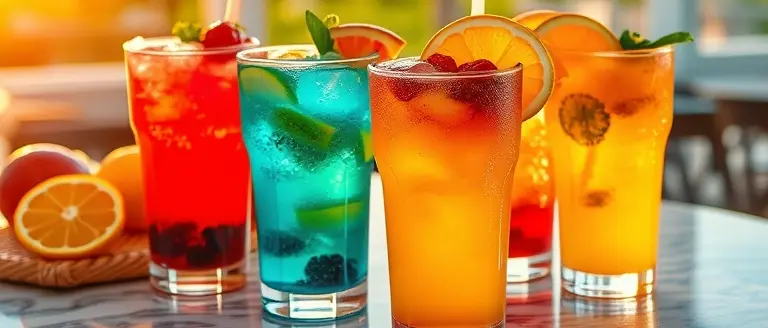
As McDonald’s nationwide soda changes accelerate the removal of self-serve kiosks, the company is simultaneously launching a bold counter-narrative designed to redefine the in-store beverage experience. Beginning May 6, 2026, the brand is officially entering the “craft” beverage space with the debut of dirty sodas—a popular trend involving the addition of flavored syrups, purées, and cream to standard carbonated drinks. By transitioning away from the traditional self-serve model, McDonald’s is signaling a strategic pivot: they are replacing the commodity “free refill” experience with a premium, custom-made beverage menu that encourages higher price points and increased customer engagement.
This evolution is part of a broader shift toward the fast-casual experience, where personalization takes center stage. Alongside the dirty soda lineup, the brand is rolling out a new series of refreshers—likely focusing on fruit-forward, caffeine-optional, or light flavor profiles—to compete directly with specialized drink shops. This shift aligns with contemporary consumer habits, where digital-first orders and drive-thru convenience allow for higher-complexity drinks that simply cannot be replicated at a DIY soda fountain.
The strategy behind these changes includes several key benefits for the brand:
- Enhanced Profit Margins: Unlike standard fountain sodas, customized beverages command a premium price, transforming a basic drink into a destination item.
- Operational Consistency: By moving beverage preparation behind the counter, McDonald’s ensures every drink meets strict quality standards, eliminating the common issues of watered-down syrup or carbonation failures.
- Data-Driven Personalization: Through the mobile app and digital kiosks, the company can track flavor preferences and promote limited-time offers, fostering deeper customer loyalty.
While nostalgic diners may miss the freedom of self-service, this transition represents a calculated trade-off. By eliminating the self-serve mess and overhead, McDonald’s is betting that customers will ultimately prefer the variety and “treat” factor of these curated offerings over the ability to refill a standard cup. This pivot suggests that the future of the American fast-food landscape will be defined by menu innovation and elevated beverage craft, leaving the era of the communal soda machine firmly in the past.
Strategic Efficiency: Why Operations are Moving Behind the Counter
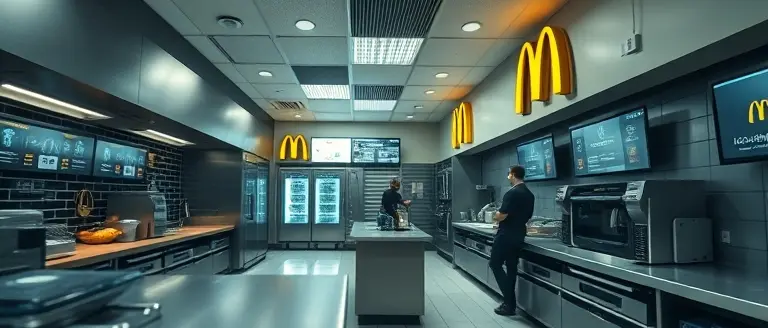
The decision by McDonald’s to eliminate self-serve soda fountains by 2032 is far more than a simple aesthetic update; it is a calculated masterclass in operational efficiency. By transitioning beverage service behind the counter, McDonald’s is addressing several long-standing logistical pain points that have hindered restaurant speed and consistency. For years, self-serve stations have been a major source of maintenance overhead, requiring constant sanitization, ice-machine repairs, and inventory management for cups and lids. Moving these processes to the kitchen allows staff to maintain higher hygiene standards and ensures that every drink is poured to the exact corporate-mandated specification.
Driving Value Through Operational Streamlining
This shift is primarily driven by the massive migration toward drive-thru, delivery, and digital kiosk ordering, which now represent approximately 40% of all domestic sales. By removing bulky, high-maintenance fountains from the dining area, franchisees can reclaim valuable square footage to optimize their floor plans. This transition supports a tech-forward dining experience where space is reallocated for:
- Dedicated Delivery Fulfillment: Creating streamlined zones for third-party couriers to pick up orders without congesting the main dining room.
- Expanded Kiosk Footprints: Allowing for more high-tech ordering stations that reduce wait times and improve order accuracy.
- Waste Reduction: Eliminating the uncontrolled use of cups and straws by customers, which significantly lowers store-level overhead costs.
Beyond these tangible gains, this shift signals a permanent change in the McDonald’s nationwide soda changes strategy. By centralizing drink preparation, the company gains better control over beverage quality and consistency—a necessity as they launch new, complex menu items like “dirty sodas” and specialty refreshers. While the loss of self-service is felt by patrons who enjoyed the convenience of unlimited refills, the move effectively prioritizes a faster, more reliable, and ultimately more profitable service model for the modern, fast-paced consumer.
Taking Control of Your Metabolic Future
The phasing out of McDonald’s self-serve soda fountains marks a significant pivot in how we consume fast-casual beverages. While the nostalgia for unlimited refills may be fading, the corporate shift toward personalized options like ‘dirty sodas’ and pre-mixed refreshments highlights a new era of convenience. However, this evolution toward more refined, menu-led beverage choices often conceals a higher sugar concentration, making it more critical than ever to be intentional about what we consume.
As these fast-food transitions change our dining habits, they also present a timely opportunity to rethink our metabolic health. You don’t have to be a victim of changing menu trends; instead, you can take charge of how your body processes the sugar content found in these modern offerings. By prioritizing metabolic support, you ensure that your energy remains consistent throughout the day, shielding yourself from the inevitable sugar spikes and crashes associated with fast-food drinks.
This is where Sugar Defender becomes an essential tool for the modern, health-conscious consumer. By helping you maintain healthy blood sugar levels, it provides the internal balance needed to navigate an increasingly sugar-heavy dining landscape. It is the perfect bridge between enjoying the convenience of the ‘restaurant of the future’ and maintaining your long-term vitality. Stop letting corporate menu changes dictate your energy—take proactive steps toward metabolic stability today.
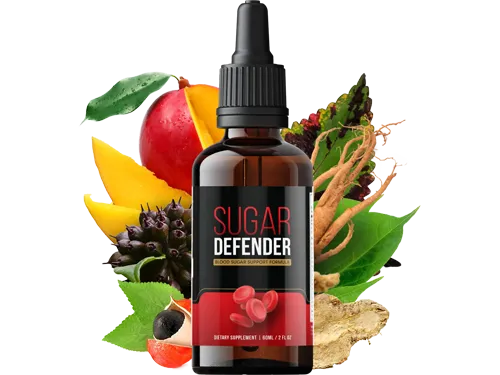 Take control of your metabolic health today and keep your energy stable with Sugar Defender—learn more about how to manage your daily sugar intake here.Yes, I Want To Protect My Health Now!