
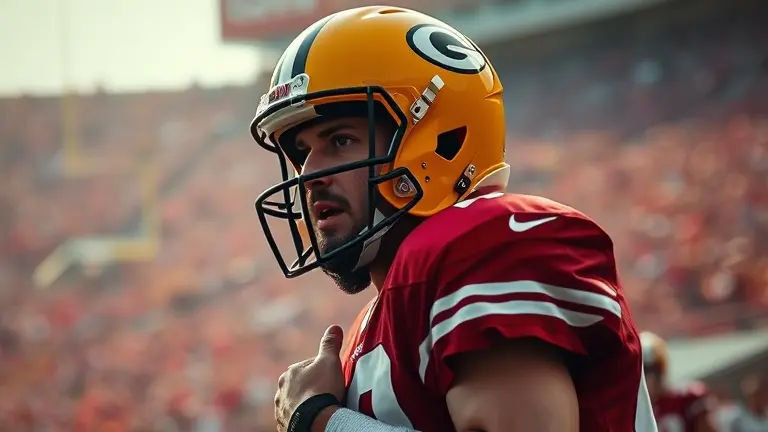
In the high-stakes theater of the 2026 NFL offseason, few topics have generated as much frantic speculation as the potential move of veteran quarterback Aaron Rodgers to the Arizona Cardinals. Amidst a wave of rumors triggered by Rodgers’ calculated silence and Pittsburgh’s aggressive roster maneuvers, fans are left wondering if a seismic shift is imminent. However, beneath the surface of trending social media narratives lies a complex web of “right-of-first-refusal” tenders and salary cap technicalities that turn this speculative drama into a rigorous lesson in sports economics.
To truly understand whether Rodgers stays in Pittsburgh or finds a new home in Arizona, we must look past the buzz and analyze the contractual reality. While the media pushes the narrative of a dramatic departure, the cold logic of the Steelers’ front-office strategy suggests a different story. In this deep dive, we move beyond the clickbait to dissect the financial barriers and tactical gaps that define this situation, providing the clarity needed to separate genuine strategy from pure conjecture.
The Aaron Rodgers-Cardinals Rumors: Fact-Checking the 2026 Offseason Buzz

The current NFL landscape is dominated by speculation regarding Aaron Rodgers and a potential move to the Arizona Cardinals. As of May 2026, this narrative has gained significant traction, fueled largely by the veteran quarterback’s prolonged silence and the Pittsburgh Steelers’ aggressive offseason maneuvers. However, moving past the media hype requires an understanding of the complex contractual framework currently locking Rodgers into the Steelers’ orbit. While the Cardinals are being framed as a logical destination for a team seeking veteran stability, the reality of the right-of-first-refusal tender significantly complicates any path to an Arizona departure.
To separate fact from speculation, it is essential to analyze the primary hurdles preventing a simple trade or free-agent exit:
- Contractual Control: The Steelers hold a “right-of-first-refusal” tender on Rodgers. This means that even if the Cardinals or any other team extend an offer, Pittsburgh retains the legal leverage to match that deal, effectively nullifying any movement unless the Steelers voluntarily relinquish those rights.
- The Drew Allar Variable: The Steelers’ decision to select Drew Allar in the draft has been interpreted by some as a sign of an impending breakup. While this indicates Pittsburgh is preparing for the future, it does not automatically force Rodgers out; rather, it suggests the organization is protecting itself against his uncertain status.
- Silence as Strategy: Rodgers’ lack of public communication regarding his 2026 intentions has created a power vacuum in the headlines. Without a formal trade request or retirement announcement, teams like the Cardinals are largely reacting to a hypothetical scenario rather than a concrete availability.
Ultimately, while the aaron rodgers cardinals rumors generate high engagement, they currently remain speculative. The Cardinals face significant salary cap considerations if they were to pursue a high-profile veteran, and the logistical nightmare of navigating the Steelers’ contractual rights remains the primary barrier. Until Pittsburgh chooses not to match a potential offer or officially pivots to a full rebuild with Allar, the “Cardinals landing spot” remains a fascinating, albeit unlikely, offseason theory.
Navigating the Steelers’ Contractual Control

While media speculation regarding Aaron Rodgers and the Arizona Cardinals continues to dominate headlines, the reality of the situation is tethered to the Pittsburgh Steelers’ significant contractual leverage. At the heart of this standoff is the right-of-first-refusal tender applied by the Steelers. This mechanism grants Pittsburgh the legal authority to match any offer sheet Rodgers signs with another NFL franchise. Effectively, if the Cardinals or any other team attempt to court the veteran quarterback, they are essentially performing free research for the Steelers, who retain the final say on his 2026 status.
The Mechanics of the Tender
The strategic implications of this tender are substantial for both the front office and the player. By utilizing this designation, the Steelers have created a high barrier to entry for prospective suitors. To pry Rodgers away, an organization would need to structure a contract that the Steelers—who are already navigating the development of rookie signal-caller Drew Allar—decline to match. Key constraints include:
- Financial Hurdles: Any contract offered to Rodgers must be cap-compliant for the potential new team, while simultaneously being expensive enough to potentially dissuade the Steelers from matching.
- Asset Compensation: The complexity of negotiating a contract only to have it potentially matched by Pittsburgh creates a “stalemate” environment, discouraging aggressive bidding.
- Leverage Imbalance: Because the Steelers hold the rights, they dictate the timeline, effectively leaving Rodgers in a position where his silence regarding a return does not void his existing contractual obligations.
Ultimately, while the Arizona Cardinals may have theoretical roster gaps, the current administrative reality makes a move to the desert highly complicated. Unless the Steelers opt to rescind their rights—a move that would require a significant shift in their current developmental strategy for Allar—the path for Rodgers remains firmly under Pittsburgh’s control. Understanding these regulatory hurdles is essential for distinguishing between click-driven rumors and the actual fiscal mechanics of the 2026 NFL offseason.
The Strategic Impact of Drafting Drew Allar

The Pittsburgh Steelers’ decision to select Drew Allar in the 2026 NFL Draft serves as a clear inflection point in the organization’s long-term strategy, casting a shadow over the future of Aaron Rodgers in Pittsburgh. While veteran leadership remains invaluable, the front office’s move to secure a high-ceiling prospect suggests that the team is no longer willing to operate in a state of indefinite uncertainty. By bringing in a talent like Allar, the Steelers have effectively diversified their quarterback room, creating an insurance policy that allows them to maintain leverage regardless of whether Rodgers decides to return or pursue a path elsewhere, such as the rumored interest from the Arizona Cardinals.
From an evaluative standpoint, this draft choice functions on two primary levels:
- Risk Mitigation: The Steelers are protecting themselves against a potential sudden retirement or a breakdown in contract negotiations. Drafting Allar ensures the roster is not left destitute if the stalemate regarding the “right-of-first-refusal” tender drags into the summer.
- Strategic Succession: Regardless of the immediate aaron rodgers cardinals speculation, every NFL team must plan for the post-veteran era. Integrating a young, cost-controlled quarterback into the offensive scheme provides a roadmap for sustainability that ignores the current media noise.
Industry analysts suggest that this selection is not necessarily a definitive “exit sign” for the veteran quarterback, but rather a move toward financial and operational prudence. By injecting youth into the depth chart, Pittsburgh has signaled that they are prepared to pivot if the cost of retaining Rodgers becomes prohibitive or if his lack of communication continues to hinder offseason planning. Ultimately, the presence of Allar provides the Steelers with the flexibility to remain competitive, effectively decoupling the team’s long-term viability from the whims of a single veteran’s free-agency trajectory. Whether or not this accelerates a move to the desert remains a secondary concern to the team’s fundamental goal: ensuring the quarterback position remains a strength, not a liability, for the 2026 season and beyond.
What Rodgers’ Next Move Means for the 2026 NFL Landscape

The current uncertainty surrounding Aaron Rodgers and his potential move to the Arizona Cardinals serves as a vital case study for how NFL franchises manage aging superstars in a volatile salary cap environment. Regardless of whether he remains in Pittsburgh or pivots to a new organization, his decision will function as a catalyst for the 2026 league landscape. As teams increasingly prioritize long-term roster sustainability and youth development—evidenced by the Steelers’ decision to draft Drew Allar—the era of the immovable, high-cost veteran is facing significant pressure. Rodgers’ situation highlights a transition period where front offices are no longer prioritizing legacy status over flexible financial maneuvering.
Market Shifts and Competitive Balance
If Rodgers were to force a departure or shift teams, the competitive ripple effect would be substantial. A high-profile transition would dictate the following shifts in the 2026 market:
- Quarterback Valuation: Teams will likely reassess how they allocate cap space for veteran signal-callers, moving away from long-term guarantees toward performance-based, shorter-term bridge contracts.
- Draft Strategy Dynamics: The prevalence of drafting high-upside backups like Allar suggests a league-wide pivot toward hedging against veteran decline, forcing older quarterbacks to justify their status every single offseason.
- Strategic Roster Construction: The Cardinals or other landing spots would need to balance the immediate boost an elite veteran provides against the opportunity cost of stalling the development of younger, cheaper talent.
Ultimately, the “stalemate” involving the aaron rodgers cardinals rumors is more than just a sports media narrative; it represents the modern tension between NFL tradition and the cold calculus of the salary cap. Whether Rodgers ultimately stays or moves, his decision will dictate how teams negotiate with their aging stars for the remainder of the decade. By treating roster spots as fluid assets rather than permanent fixtures, organizations are signaling that no player, regardless of their resume, is exempt from the shifting priorities of a business-first league.
Beyond the Headlines: Mastering the NFL Offseason Maze
The Aaron Rodgers to Arizona narrative is a masterclass in modern sports media obsession, often ignoring the cold, hard realities of the NFL’s salary cap and contractual structures. While the speculation makes for entertaining headlines, the mathematical probability of a departure is strictly limited by the Pittsburgh Steelers’ strategic leverage. Understanding this isn’t just about reading rumors; it is about navigating the dense legal and financial frameworks that govern the league.
Processing these complexities requires more than casual fandom; it demands the kind of mental clarity and intense focus usually reserved for front-office strategists. Navigating the murky waters of NFL contractual fine print requires high-level cognitive performance to distinguish between viable strategy and baseless noise. That is where The Brain Song becomes an essential tool for the modern analyst.
By integrating this cognitive performance routine into your daily sports research, you cut through the mental fog that clouds traditional reporting. It is not just about keeping up with the news; it is about sharpening your analytical edge to truly comprehend the high-stakes game of professional football management. You deserve the mental precision to cut through the clickbait and see the game for what it really is.
 Sharpen your analytical edge for the 2026 offseason by incorporating this 12-minute brain-optimization routine into your daily sports research.Yes, I Want to Master the Analysis!