

The streets of Pittsburgh are finally beginning to quiet after an unforgettable weekend, marking the close of the biggest Pittsburgh Marathon in the city’s storied history. With over 50,000 participants battling through near-record cold temperatures, this year’s event was less about personal records and more about raw endurance in the face of Mother Nature. From the challenging stretches of the Pittsburgh Marathon route to the sheer determination required to brave the frigid morning, runners showcased a level of resilience that captured the spirit of the Steel City like never before.
Beyond the logistical whirlwind and the headline-grabbing weather, thousands of athletes are now processing the physical toll of 26.2 miles run in extreme conditions. While the cheers of the spectators have faded, the physiological impact of such a strenuous event remains, leaving many runners searching for the best way to replenish their bodies and restore their metabolic baseline. Understanding the demands of this record-breaking race is the first step toward effective recovery and long-term athletic success.
Recapping the 2026 Pittsburgh Marathon: A Record-Breaking Weekend
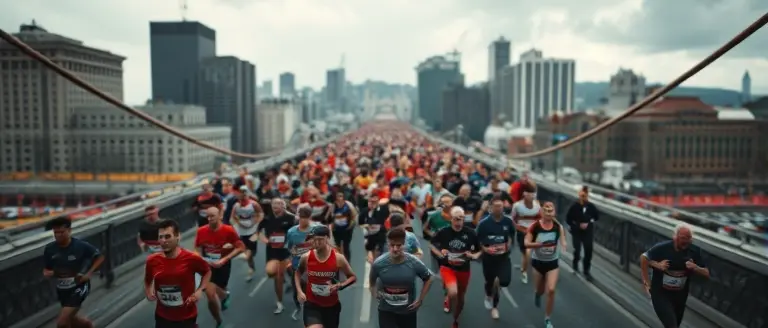
The 2026 Pittsburgh Marathon etched its name into history this weekend, officially becoming the largest iteration of the event since its inception. Spanning May 1–3, the race drew an unprecedented crowd of over 50,000 participants, transforming the streets of the Steel City into a vibrant, high-energy corridor. While the event celebrated athletic perseverance, it also presented significant logistical hurdles for the local community. The sheer scale of the Pittsburgh Marathon route, which threads through diverse city neighborhoods, necessitated widespread road closures that tested the patience of residents and tested the coordination of city officials throughout the weekend.
Environmental Challenges and Athlete Performance
Beyond the logistical demands, this year’s race was defined by its punishing environmental conditions. Runners faced “near record cold” temperatures throughout the May 3 race day, a factor that profoundly influenced both personal pacing and overall event safety. Medical teams remained on high alert as the biting air challenged even the most seasoned competitors.
Key takeaways from the 2026 event include:
- Unprecedented Attendance: Surpassing previous participation records, the city managed the influx of 50,000 runners with extensive traffic management strategies.
- Thermal Impact: The extreme cold necessitated modified recovery protocols, as exposure became a primary concern for event organizers and health professionals.
- Navigation Hurdles: The complex Pittsburgh Marathon route required significant real-time adjustments for commuters and spectators trying to navigate around the perimeter of the course.
Despite the frigid start, the spirit of the event remained undeterred. The 2026 weekend proved that even in the face of environmental adversity and complex citywide disruption, the marathon continues to serve as a premier destination event. As the city reflects on this record-breaking weekend, the focus now shifts toward refining these logistical frameworks to better serve the community in future years.
Race Results and Performance Amidst Near-Freezing Conditions

The 2026 Pittsburgh Marathon will be remembered as much for its challenging meteorological environment as for the record-breaking turnout of 50,000 participants. As runners navigated the iconic Pittsburgh Marathon route, they faced near-record cold temperatures that tested the physical limits of both elite athletes and recreational enthusiasts. Early data indicates that these unseasonable conditions significantly impacted finish times across all categories. While the adrenaline of the “biggest ever” race often boosts performance, the biting chill likely hampered muscle flexibility and energy efficiency, resulting in slightly slower average completion times compared to historical benchmarks from warmer years.
Strategies for Surviving the Cold Snap
To mitigate the risks associated with the plummeting mercury, many runners had to adjust their race-day strategies on the fly. Success required careful management of energy expenditure and hydration, as cold air can mask dehydration symptoms. Event organizers prioritized participant safety by deploying additional medical support and warming stations along the course. Key adaptations observed among the field included:
- Layering Strategy: Most successful finishers opted for moisture-wicking synthetic base layers rather than traditional tank tops, preventing rapid body heat loss.
- Pacing Adjustments: Elite runners often modified their split times, choosing a steadier, controlled rhythm to avoid the “muscle freeze” associated with high-intensity sprinting in freezing air.
- Nutritional Focus: Increased caloric intake was essential to maintain core body temperatures, as the metabolic cost of running in low temperatures rose sharply throughout the morning.
Despite these hurdles, the resilience displayed by the 50,000 participants highlights the competitive spirit that defines this event. Moving forward, race analysts will be reviewing these results to understand the long-term impact of extreme weather on urban marathon pacing, providing valuable insights for future planning and athlete preparation.
Human-Interest Stories: The Resilience of the 50,000

The Pittsburgh Marathon of 2026 will be remembered not just for its record-breaking attendance, but for the extraordinary grit displayed by the 50,000 runners who took to the streets. Despite the “near record cold” temperatures that greeted participants at the starting line, the energy throughout the Steel City remained palpable. This year’s race transformed the Pittsburgh Marathon route into a stage for human perseverance, where charity runners and first-time participants overcame frozen fingers and biting winds to reach the finish line. For many, the physical challenge served as a powerful metaphor for the city’s own history of resilience and reinvention.
Triumphs Amidst the Elements
The impact of the extreme weather on finish times was significant, yet the emotional victories far outweighed the clock. Reports from the course highlighted several key themes of resilience:
- Charity Runners: Hundreds of athletes pushed through the icy conditions to support local nonprofits, often citing the cheering crowds—who braved the cold despite the citywide logistical disruptions—as their primary source of motivation.
- The First-Timer Perspective: Many amateur runners, tackling their inaugural 26.2-mile journey, noted that the camaraderie found along the Pittsburgh Marathon course created an unspoken bond, helping them ignore the biting cold.
- Community Spirit: Despite the traffic congestion and logistical hurdles faced by residents, the neighborhoods along the route turned out in force. The support from local families offering warm tea and encouragement helped turn an arduous morning into a celebration of communal strength.
The emotional connection to the city was evident at every turn, from the bridges to the final stretch downtown. By the time the final participants crossed the finish line, it was clear that the “biggest ever” event had succeeded in uniting the community through shared struggle and eventual triumph, cementing this year’s race as a milestone in Pittsburgh’s sporting history.
Planning for Future Races: A Resident’s Guide to Logistics

Navigating the city during the Pittsburgh Marathon requires proactive planning, especially as the event continues to grow in scale and participation. With over 50,000 runners and spectators converging on the city, the Pittsburgh Marathon route inevitably causes significant shifts in traffic patterns and public transit operations. To minimize disruption, residents are encouraged to shift from reactive, day-of searching to a more structured, “always-on” approach to event logistics. By familiarizing yourself with the core layout and monitoring official channels weeks in advance, you can effectively manage the temporary restrictions that define the first weekend of May.
Strategic Resources for Annual Event Navigation
To stay ahead of future road closures and route modifications, utilize these reliable sources that provide the most accurate, localized data:
- Official Race Portal: The official event website serves as the primary repository for the most up-to-date Pittsburgh Marathon route maps and comprehensive street closure schedules.
- City-Wide Traffic Alerts: Sign up for local municipal emergency and traffic notification systems that send real-time SMS or email updates regarding bridge closures and detour routes.
- Public Transit Coordination: Review Port Authority (PRT) or relevant transit announcements at least 14 days prior to race weekend, as bus routes frequently experience significant detours.
- Community News Outlets: Establish a habit of checking local media outlets in late April for high-level summaries and interactive visualization tools that simplify the complex logistical map of the course.
Tracking these details is essential for any resident, as the Pittsburgh Marathon is a massive urban undertaking that temporarily alters the geography of the city. By bookmarking these resources and reviewing closure maps early, you can plan your weekend errands and commutes with precision, ensuring that you are never caught off-guard by the dynamic nature of this premier sporting event. Early preparation remains the single most effective way to coexist with the city’s largest annual gathering while maintaining your regular routine.
Optimizing Your Post-Race Recovery and Metabolic Resilience
As the final runners cross the finish line of the largest Pittsburgh Marathon in history, the focus for thousands shifts from the pavement to the recovery process. Surviving the near-record cold temperatures required immense physical grit, but true athletic longevity is built on what happens after the race. Your body has been pushed to its absolute limit, depleting energy stores and placing significant stress on your metabolic pathways, which now require strategic support to return to peak performance.
While the extreme cold tested the limits of every runner’s stamina, many participants are now focusing on how to recalibrate their metabolism and energy baseline for future challenges. This is where CitrusBurn becomes an essential part of your recovery toolkit. By supporting natural thermogenesis and helping to maintain consistent energy levels, CitrusBurn offers the metabolic optimization needed to bridge the gap between physical exhaustion and total recovery.
Don’t let the fatigue of this massive event linger longer than necessary. Take control of your recovery and prepare your body for the training cycles ahead by integrating science-backed support into your routine. Empower your metabolic health today and ensure your next race is your best one yet.
 Discover how to optimize your metabolic recovery and maintain consistent energy levels for your next race here.Transform My Recovery Today!