
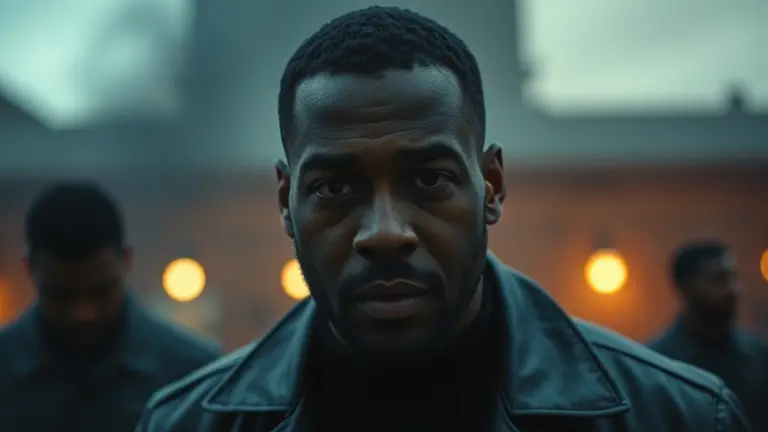
When the first trailer for the 2026 Man on Fire Netflix series dropped, it ignited a firestorm of debate across the digital landscape. Stepping into the shoes of John Creasy—a role previously immortalized by Denzel Washington and Scott Glenn—Yahya Abdul-Mateen II arrives with a visceral intensity that transforms the beloved A.J. Quinnell novel into a modern, high-stakes political thriller. As audiences binge through the gritty, neon-soaked streets of this new adaptation, the inevitable question remains: is this a remake of the classic film, or a bold new vision for a new generation?
This series is far more than a simple re-imagining; it is a complex exploration of the ‘protector’ archetype, stripping away the polish to reveal the raw, often jagged edges of PTSD and duty. Whether you are searching for answers about the shocking season finale or trying to understand the deeper motivations behind Creasy’s unwavering mission, one thing is clear: the 2026 adaptation has successfully captured the public imagination, sparking a fire that shows no signs of burning out.
Man on Fire 2026: The New Netflix Adaptation Explained
The highly anticipated man on fire Netflix series, which premiered globally on April 30, 2026, marks a significant departure from the cinematic legacy of the source material. While many casual viewers search for information regarding a Netflix man on fire remake, it is essential to clarify that this production is an episodic adaptation of A.J. Quinnell’s original 1980 novel rather than a direct reimagining of the 2004 Tony Scott film starring Denzel Washington. By moving the narrative into a long-form television format, the creators have shifted the focus toward a high-intensity, political action-thriller structure designed to mirror the bingeable success of hits like The Night Agent.
Adapting a Literary Classic for the Streaming Era
The transition to a streaming series allows for a more expansive exploration of the plot than a two-hour movie ever could. This version leans heavily into geopolitical stakes, providing a more detailed background for the protagonist, John Creasy, portrayed by the formidable Yahya Abdul-Mateen II. The production team has utilized the episodic pacing to flesh out the intricate conspiracies that define the novel’s core conflict, ensuring that the tension remains high across the entire season. Key differences in this 2026 iteration include:
- Format: A multi-episode seasonal structure that allows for deeper character development regarding Creasy’s psychological trauma.
- Narrative Focus: A greater emphasis on the surrounding political climate, pivoting the story from a personal vendetta into a broader high-stakes thriller.
- Characterization: Yahya Abdul-Mateen II brings a distinct, grounded energy to the role of Creasy, emphasizing the internal struggle of a man grappling with his past in a modern global landscape.
As audiences dive into this latest installment, the ongoing conversation surrounding man on fire continues to evolve. While critics remain divided on how well this format honors the emotional weight of the source material, the series has already established itself as a streaming juggernaut, setting the stage for what many speculate could be a new franchise cornerstone for Netflix heading into man on fire 2026 and beyond.
Yahya Abdul-Mateen II vs. The Legacy of John Creasy
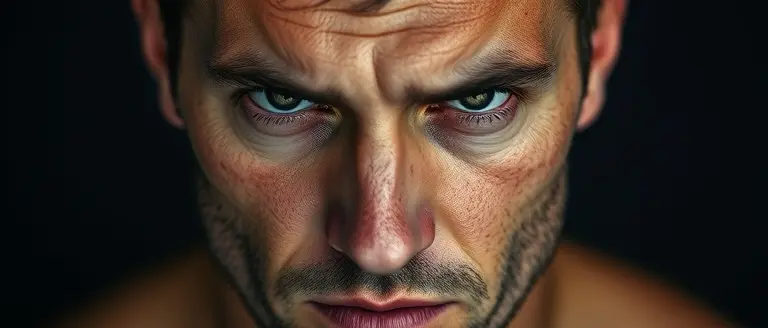
Stepping into the role of John Creasy is no small feat, given the character’s storied history in literature and cinema. With the 2026 man on fire netflix adaptation, Yahya Abdul-Mateen II delivers a portrayal that intentionally pivots away from the stoic, world-weary archetype popularized by Denzel Washington in the 2004 film. While the film version leaned heavily into a “retired-assassin-as-protector” trope defined by brooding silence and sudden bursts of violence, Abdul-Mateen II’s performance emphasizes the psychological toll of chronic trauma. His Creasy is less of a mythic force of nature and more of a deeply fractured individual struggling to reintegrate into a world that no longer understands his tactical skillset.
The series format allows for a more granular exploration of Creasy’s psyche, which distinguishes this man on fire iteration from its predecessors. Abdul-Mateen II utilizes his physicality to convey a sense of lingering, restless combat stress that the two-hour film format simply could not sustain. His acting style relies on micro-expressions and a palpable, kinetic energy during the show’s high-intensity sequences, bridging the gap between a broken man and the lethal operative the plot requires.
Key performance differences include:
- Internalized Trauma: Unlike previous depictions that focused on external redemption, Abdul-Mateen II highlights the persistent nature of PTSD, portraying it as a constant, grinding friction rather than a singular plot hurdle.
- Modern Grittiness: The 2026 version prioritizes the “political action-thriller” elements, requiring a performance that feels grounded in modern espionage rather than 2000s-era pulp heroism.
- Collaborative Chemistry: Because this is a long-form series, his performance is designed to build slower, developing deeper relational stakes with his charges, which differentiates this project from previous film remakes.
While critical reception remains mixed, evidence suggests that the man on fire cast—anchored by Abdul-Mateen II—has succeeded in modernizing the source material. By moving away from a direct 2004 imitation, he establishes a version of John Creasy that fits the binge-ready, episodic nature of modern streaming, effectively turning a familiar literary character into a cornerstone for a potential new franchise.
Critical Reception: How the Netflix Series Stacks Up
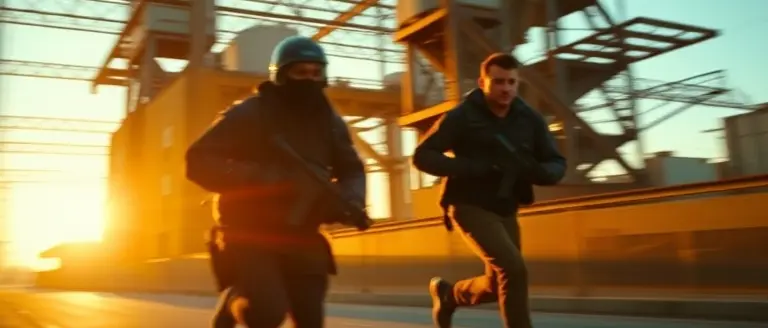
The arrival of the man on fire netflix series has sparked a polarized debate among critics and audiences alike. Currently holding a 6.7/10 rating on IMDb, the series is viewed as a high-stakes experiment in adapting A.J. Quinnell’s source material for the streaming era. While the netflix man on fire remake—technically a fresh adaptation rather than a remake of the 2004 Denzel Washington film—excels in delivering the relentless, high-octane pacing that fans of The Night Agent expect, it often struggles to balance its technical ambition with the narrative weight found in previous iterations.
Performance and Pacing
Critics have largely unified in their praise for Yahya Abdul-Mateen II, whose portrayal of John Creasy brings a raw, kinetic energy to the screen. His performance is frequently cited as the show’s anchor, effectively communicating the character’s internal turmoil through physical precision during the series’ frequent, meticulously choreographed action sequences. However, this focus on spectacle has led to some criticism. Several reviews, including those from IndieWire and Roger Ebert, note that:
- The episodic format prioritizes rapid-fire plot progression over the slow-burn character development that defined the novel.
- The portrayal of Creasy’s PTSD—while modern and gritty—is occasionally overshadowed by the show’s desire to maintain a “global streaming success” momentum.
- The shift toward a political action-thriller aesthetic sacrifices the intimate, melancholy bond between the protagonist and his charge that fans of the original story hold dear.
Ultimately, the series functions as a prime example of the modern binge-able thriller. While some purists argue that the show lacks the deep, haunting emotional resonance of earlier versions, the general consensus is that it successfully carves out a new space for the IP. As the man on fire cast navigates the complexities of this adaptation, the show remains a trending centerpiece in Netflix’s catalog, proving that even with mixed critical reception, the demand for high-intensity, star-driven action remains at an all-time high.
Ending Explained and the Future of Man on Fire Season 2

The explosive conclusion of the Man on Fire Netflix series leaves viewers at a crossroads, perfectly balancing a closed narrative arc with the high-stakes potential for a recurring franchise. In the Season 1 finale, John Creasy, portrayed with gritty intensity by Yahya Abdul-Mateen II, finally dismantles the corruption ring that orchestrated the kidnapping plot. Unlike previous iterations of the A.J. Quinnell novel, the series leans heavily into the political conspiracy angle, ending with Creasy surviving his final confrontation—a significant departure from the source material’s more somber, sacrificial tone. By surviving, Creasy is positioned not as a martyr, but as a reluctant operative, leaving the door wide open for further vigilante justice in subsequent installments.
Prospects for a Second Season
While Netflix has yet to provide an official green light for Man on Fire 2026, the show’s status as a “global streaming success” suggests that momentum is firmly on the side of renewal. Strategic analysis indicates that Netflix is aiming to mirror the long-term success of series like The Night Agent, viewing this adaptation as a potential cornerstone for a wider action-thriller universe. If renewed, a second season would likely move beyond the primary novel, venturing into original territory or pulling inspiration from subsequent books in the literary series.
Key factors that could influence a Season 2 announcement include:
- Audience Retention Metrics: High completion rates among subscribers are often the primary driver for a second-season order.
- Character Trajectory: The show’s exploration of Creasy’s unresolved PTSD provides fertile ground for character-driven storytelling in future episodes.
- Franchise Scalability: The current format allows for episodic “case-of-the-week” narratives or a broader season-long conspiracy that expands the world beyond the initial mission.
Ultimately, the finale effectively resolves the central kidnapping plot while cementing the show’s identity as a modernized, high-intensity man on fire remake that prioritizes character depth alongside visceral action. Whether or not a formal contract is signed, the narrative architecture is clearly designed to support a multi-season run.
Unlocking the Protector’s Code
The journey of John Creasy in this new Netflix adaptation is fundamentally a story about the primal, masculine drive to defend those we hold dear. While the screenwriting emphasizes the explosive action of an international thriller, the true weight of the narrative lies in Creasy’s silent, desperate attempt to find redemption through service. This is not just a character trait; it is a manifestation of a psychological reality that drives real-world behavior and dictates the intensity of our closest human connections.
If you have found yourself drawn to the magnetic pull of the ‘protector’ archetype on screen, you are tapping into a deeply seated human desire. This same instinct dictates how men choose to commit, protect, and dedicate themselves to their partners in reality. To truly understand these hidden psychological triggers—the silent signals that switch a man from passive observer to dedicated guardian—we recommend exploring the insights found in His Secret Obsession. This resource acts as a key to decoding the complex power dynamics and emotional needs that turn a casual attraction into a profound, lifelong devotion.
By understanding the mechanisms behind the ‘Hero Instinct’ portrayed in the series, you gain the ability to foster that same level of fierce, unwavering commitment in your own life. It is the perfect logical next step for any viewer fascinated by the intense, protective loyalty that defines the legend of John Creasy.
 Curious why the ‘protector’ archetype is so magnetic in shows like this? Discover the secret signals that trigger this instinct in your own life.Unlock the Hero Instinct Now!