
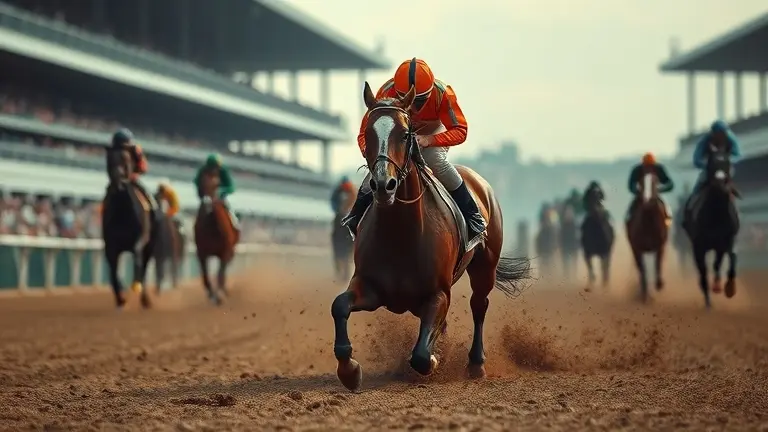
The 2026 Kentucky Derby was poised to be a celebration of sporting excellence, yet the day was punctuated by a heart-stopping incident when a horse fell at the track just before the starting gate. The jarring visual of a collapsed horse and a scrambling jockey served as a stark, sobering reminder of the inherent risks that underpin the world’s most famous horse race. As spectators and analysts grapple with the contrast between the glittering pageantry of the event and the raw reality of the danger, a much larger conversation has ignited regarding industry-wide safety protocols, the ethics of modern racing, and the urgent need for systemic reform.
This incident is more than just a headline; it is a catalyst for a necessary re-examination of how major tracks manage animal welfare and rider safety. While the excitement of the 2026 winner remains a focal point for fans, the demand for transparency and actionable change is louder than ever. In this deep dive, we move beyond the viral social media sentiment to explore the technological and regulatory shifts that could redefine the future of the sport, ensuring that the spectacle of the Derby no longer comes at an unacceptable cost.
The 2026 Kentucky Derby Incident: A Breakdown of the Pre-Race Fall

The 2026 Kentucky Derby, while celebrated for its historic finish, was marred by a harrowing pre-race incident that brought the reality of horse safety to the forefront of the national conversation. Just moments before the starting gates were set to open, a horse stumbled and fell in the post-parade area, a sequence of events that left spectators and television audiences in shock. The incident specifically involved a near-collision with jockey Jose Ortiz, whose quick reactions were credited by industry experts with preventing a potentially catastrophic outcome. The fall occurred amidst the high-pressure environment of the “Run for the Roses,” highlighting the fine line between the pageantry of Derby Day and the inherent risks associated with professional Thoroughbred racing.
Timeline and Safety Response
Following the spill, Churchill Downs officials and track medical staff deployed standardized emergency protocols to assess the wellbeing of both the athlete and the animal. Key details regarding the aftermath include:
- Immediate Assessment: Veterinary staff reached the horse within seconds to evaluate for physical distress or underlying injury, adhering to modern track safety standards.
- Jockey Welfare: Jose Ortiz was promptly attended to by on-site medical professionals; reports confirmed that he avoided serious trauma, allowing the race to proceed after a short delay.
- Official Statement: Churchill Downs emphasized their commitment to track conditions and horse welfare, noting that the incident was localized and did not involve track surface defects.
While the race eventually continued, the sight of a horse falls at Kentucky Derby sparked immediate public debate. Social media platforms, including TikTok and Facebook, saw an influx of discussions regarding the ethics of the sport and whether current safety protocols are sufficient to protect participants from such high-stakes accidents. As the industry moves forward from the 2026 event, the focus has shifted toward transparency regarding veterinary pre-screening and the potential for new equipment or training adjustments to mitigate such dramatic, and dangerous, mid-track occurrences.
Safety Protocols in Modern Horse Racing: Are Current Measures Sufficient?
The recent horse falls at Kentucky Derby incident has reignited a critical debate regarding the adequacy of safety protocols within high-stakes thoroughbred racing. Churchill Downs operates under a rigorous regulatory framework, including comprehensive pre-race health inspections conducted by official track veterinarians. These professionals evaluate every entrant for lameness or health discrepancies before they are cleared to enter the starting gate. However, the 2026 event highlights that even with strict oversight, the inherent unpredictability of elite equine athletes—often exacerbated by the immense pressure of the “Run for the Roses”—can lead to sudden, high-risk accidents that endanger both the horse and the jockey.
The Role of HISA and Evolving Standards
The Horseracing Integrity and Safety Authority (HISA) has been the primary architect of modern national standards, aiming to unify safety regulations that were previously fragmented by state jurisdictions. Current measures now focus on:
- Surface Monitoring: Utilizing advanced technology to maintain track consistency and mitigate biomechanical stress on horses.
- Veterinary Oversight: Mandatory diagnostic imaging and expanded “vet’s list” protocols to prevent injured horses from competing.
- Jockey Welfare: Enhanced training and equipment standards to reduce injuries during track-side mishaps, such as the near-miss involving Jose Ortiz.
Despite these advancements, many experts argue that the industry is at a crossroads. While HISA mandates have undeniably increased transparency, the shock of a pre-race fall suggests that current pre-race screening might not fully account for acute psychological or physical stressors triggered by the high-energy crowd and environment of Derby Day. Moving forward, the conversation must evolve from basic compliance to proactive risk assessment, potentially incorporating AI-driven gait analysis or more frequent medical vetting to ensure that the excitement of racing does not eclipse the absolute necessity of animal and human safety. The industry is currently under intense pressure to prove that the glamour of the event can coexist with a zero-tolerance policy for preventable accidents.
The Jockeys’ and Trainers’ Perspective: Balancing Performance and Risk

The 2026 Kentucky Derby brought the inherent dangers of professional horse racing into sharp focus when a horse falls at Kentucky Derby just moments before the starting gate opened, nearly resulting in a catastrophic injury for jockey Jose Ortiz. For trainers and riders, this incident underscores the daily tightrope walk between peaking a horse for the “Run for the Roses” and maintaining the highest safety standards. Trainers face the complex challenge of conditioning elite athletes to perform at their physical limit while monitoring for subtle behavioral changes that might indicate instability or fatigue. This process requires a sophisticated understanding of equine physiology, often involving rigorous veterinary oversight to ensure that the drive for a win never compromises the animal’s physical integrity.
Professional Handling and Instinctive Reaction
When a high-stakes incident occurs on the track, the gap between disaster and safety often rests on the split-second reactions of the jockey. Experienced riders undergo years of training to master the art of “reading” their mount’s movement, allowing them to bail safely or stabilize a stumbling horse before it loses its footing.
- Risk Mitigation: Trainers utilize heart rate monitors and gait analysis to identify potential issues long before race day.
- Jockey Preparedness: Riders participate in safety simulations designed to handle high-adrenaline, sudden-instability scenarios.
- Industry Communication: Frequent dialogues between stewards, trainers, and jockeys regarding track conditions are essential to preventing future accidents.
Despite these measures, the unpredictability of a thousand-pound animal in a high-pressure environment remains a constant variable. The industry is currently engaged in a critical discussion regarding whether stricter pre-race physical assessments could prevent such dangerous falls in the future. By balancing the pursuit of elite performance with an uncompromising commitment to welfare, the racing community aims to ensure that the glamour of Derby Day is never overshadowed by preventable tragedies. Ensuring horse and jockey safety remains the top priority for regulatory bodies as they review the protocols following this year’s shocking event.
Industry-Wide Impact: The Future of Derby Day Glamour and Welfare

The recent horse falls at Kentucky Derby incident has ignited a necessary, rigorous conversation regarding the balance between the historic prestige of the “Run for the Roses” and the non-negotiable requirements of animal welfare. While the 2026 Kentucky Derby celebrated athletic excellence and tradition, the near-miss involving jockey Jose Ortiz served as a stark reminder of the inherent volatility in Thoroughbred racing. This event has forced industry leaders at Churchill Downs and across the nation to confront the growing divide between the event’s “glamour” and the public’s increasing demand for institutional transparency and safety.
Driving Regulatory and Technical Evolution
To preserve the future of the sport, the racing industry is shifting its focus toward proactive risk mitigation. The discourse following this incident suggests that modernization is no longer optional but a baseline expectation for continued social license. Key areas currently undergoing evaluation include:
- Advanced Track Surface Technology: Implementing more resilient and consistent synthetic or hybrid track surfaces that provide superior shock absorption to minimize injury risk.
- Enhanced Monitoring Systems: Integrating high-frequency wearable sensor data for horses to detect physiological distress long before a physical breakdown occurs.
- Stricter Pre-Race Inspection Protocols: Standardizing the involvement of independent veterinary panels to ensure that every participant meets rigorous health benchmarks, regardless of their status in the field.
- Crisis Management Transparency: Improving real-time communication with the public when accidents occur to replace speculation with factual, data-driven transparency.
Ultimately, the future of the Kentucky Derby depends on the industry’s ability to evolve. As public perception shifts, stakeholders must prove that high-stakes competition can coexist with the highest standards of equine care. By prioritizing these technological and regulatory advancements, the sport can bridge the gap between traditional spectacle and modern ethical requirements, ensuring that the legacy of the Derby remains untarnished by preventable tragedies.
Maintaining Clarity Amidst the High-Stakes Noise
As the racing industry undergoes this critical period of reflection and reform, the news cycle surrounding such events can be overwhelming. The intensity of high-stakes sports coverage often mirrors the chaotic environment of the track itself, leaving many fans feeling mentally drained as they try to process the complex intersection of tradition, risk, and animal welfare. Just as the industry is re-evaluating its protocols to ensure better safety and clarity on the track, it is equally important for fans to maintain their own cognitive sharpness and well-being when navigating the noise of today’s fast-paced news cycle.
This is where Audifort becomes an essential support tool for your personal health. In an era where information overload leads to cognitive fatigue and ‘brain fog,’ Audifort offers a science-based approach to enhancing mental clarity and reducing sensory exhaustion. By supporting your cognitive focus, you can better navigate demanding news environments with a sense of calm and precision, ensuring you stay informed without compromising your own wellness. It is the perfect bridge for those who demand both sharp insights and proactive self-care in their daily lives.
We invite you to take control of your focus during these intense periods of reporting. Discover how a more balanced and clear-headed approach to consuming high-tension events can transform your perspective.
 Support your mental sharpness and sensory clarity while staying informed; discover how Audifort can help you stay alert and clear-headed.Protect My Cognitive Clarity Now!