
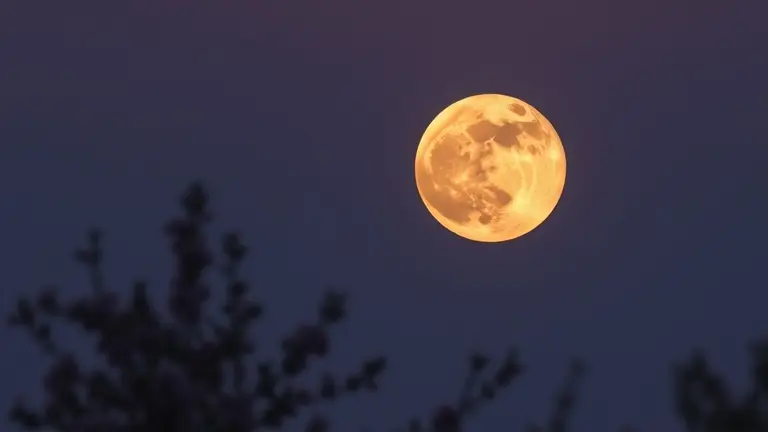
May 2026 is set to be an extraordinary month for stargazers, marked by a rare celestial dance that few will ever forget. With the Flower Moon reaching its peak illumination on May 1, the cosmic stage is already set, but the true excitement lies in the rare ‘double moon’ event occurring throughout the month. This culminates in a stunning Blue Moon on May 31, creating a 31-day cycle that has ignited intense public curiosity. Whether you are wondering is it a full moon tonight or simply trying to map out the best nights for celestial photography, this month offers a unique opportunity to witness the rhythm of the lunar calendar in its most potent form.
Many observers find themselves frustrated by the technical peak times of these events, which often occur during the early afternoon, making it feel like you missed the main act. However, the secret to capturing the Flower Moon and its successor lies not in the scientific peak, but in the moonrise. By understanding how to time your observations with the horizon, you can transform these astronomical moments into personal milestones of clarity and awe. As we track this month of the double moon, we invite you to align your own internal rhythm with the cycles of the sky.
May 2026: The Rare Month of the Double Moon
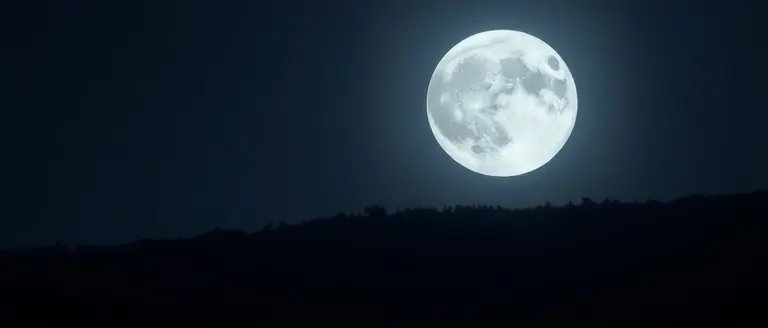
May 2026 stands out as a landmark period for astronomy enthusiasts, defined by a celestial rarity: two full moons occurring within a single calendar month. This cycle began with the Flower Moon, which reached its technical peak of illumination on May 1, 2026, at 1:23 p.m. EDT. Because this peak occurred during daylight hours in the United States, many observers found themselves wondering, “is it a full moon tonight?” despite the moon appearing visually full to the naked eye throughout the evening of May 1st. This discrepancy between astronomical peak times and sunset visibility is a common source of confusion, yet it remains one of the most exciting events for those tracking the next full moon.
Navigating the Double Moon Phenomenon
The uniqueness of this month is underscored by the transition from the Flower Moon to a secondary full moon, commonly known as a Blue Moon, scheduled to illuminate the sky on May 31, 2026. This “double moon” configuration creates a 31-day window of heightened lunar activity that captures both scientific and spiritual interest. While the Flower Moon traditionally signals the lushness of spring, the proximity of these two events encourages a deeper exploration of lunar cycles.
To make the most of this month, keep these essential viewing tips in mind:
- Ignore the Clock: Astronomical peak times refer to the precise moment the moon is 180 degrees from the sun; however, the moon remains essentially “full” to the human eye for approximately 24 hours before and after this point.
- Prioritize Moonrise: For the best visual experience, aim to view the moon as it rises near sunset, which often creates the “moon illusion” where the orb appears larger against the horizon.
- Track the Cycle: Use the period between May 1 and May 31 to monitor the moon’s phase progression, providing a perfect opportunity for amateur stargazers to build consistent observation habits.
Whether you are a casual observer or a dedicated follower of lunar astrology, May 2026 offers a unique opportunity to witness the rhythm of the cosmos. As we head toward the finale on May 31, the sky provides a dual reminder of the beauty inherent in our solar system’s mechanics.
Decoding the Flower Moon: Why the Daytime Peak Matters

The full moon may 2026 event—popularly known as the Flower Moon—reached its precise astronomical peak of 100% illumination on May 1 at 1:23 p.m. EDT. For many stargazers, this technical peak timing caused significant confusion, as the moon was not visible in the sky during the mid-afternoon hours. However, this scientific calculation describes a fleeting moment in space rather than the human experience of the lunar cycle. Because a full moon requires the Sun and the Moon to be on opposite sides of the Earth, the exact peak time is often dictated by orbital mechanics that do not always align with nighttime in the United States.
Perceived Visibility vs. Astronomical Peak
While the technical peak occurred during daylight hours, the moon appeared essentially “full” to the naked eye for several days surrounding May 1. When observers ask, “is it a full moon tonight?” regarding the days flanking the peak, the answer is scientifically affirmative. To the human eye, the lunar disk remains 98% to 99% illuminated during the nights of April 30 and May 1, making it indistinguishable from a technically “full” moon.
To ensure you don’t miss the best viewing opportunities, consider these insights:
- The “Full” Window: The moon remains visually indistinguishable from full for roughly 24 hours before and after the exact peak moment.
- Moonrise Advantage: The best time to view the Flower Moon is during moonrise, typically occurring near sunset. At this time, the moon appears larger due to the “moon illusion,” which makes the lunar body seem massive against the horizon.
- Double Moon Context: Because the flower moon full moon is the first of two lunar events in May 2026, it sets the stage for the rare “Blue Moon” on May 31. This unique calendar alignment means that even if you missed the peak of the Flower Moon, the lunar cycle remains highly active throughout the rest of the month.
By understanding that the astronomical peak is merely a reference point, observers can ignore the frustration of daytime timing and focus on the nights of optimal visibility, ensuring they catch the best of this rare celestial month.
Your Viewing Guide: Catching the Moon at Its Best
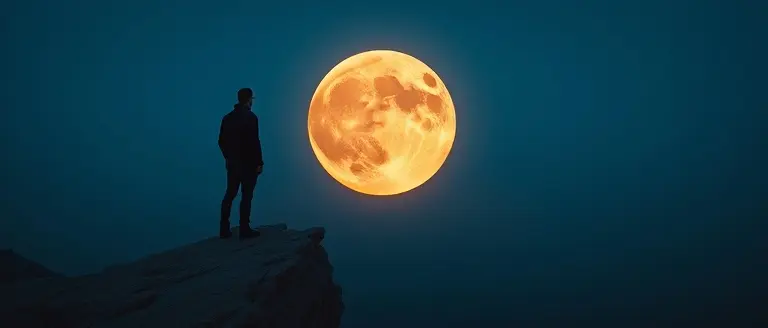
While the full moon of May 1, 2026, officially reached its peak illumination during the afternoon, you don’t need to worry about missing the display. Because a full moon appears virtually full to the human eye for about 24 hours before and after its precise peak, you have plenty of time to enjoy the lunar radiance. If you are asking, “Is it a full moon tonight?” or wondering when is the next full moon, remember that this month is special. May 2026 is a rare “double moon” month, meaning the Flower Moon serves as only the opening act for a spectacular Blue Moon event occurring on May 31, 2026.
Pro-Tips for Optimal Stargazing
To maximize your experience throughout this month, follow these observational strategies:
- Time Your Viewing: The most breathtaking views occur during moonrise or moonset. When the moon is low on the horizon, it creates the “moon illusion,” making the celestial body appear significantly larger and more vibrant against terrestrial landmarks.
- Seek Dark Skies: Escape urban light pollution by traveling to state parks or rural areas. Even a short drive away from city lights will drastically improve your ability to see the finer details of the lunar surface.
- Gear Considerations: While the flower moon is a stunning sight to the naked eye, a pair of standard 7×50 binoculars can reveal craters and the distinct lunar maria (dark plains) that are often missed without magnification.
- Photography Hacks: For the best shots, use a tripod to keep your camera steady. Focus on the horizon as the sun sets to capture the contrast of the rising moon against the twilight sky.
By monitoring the lunar cycle throughout the month, you can track the gradual transition from the waning phases back toward the second full moon. Keep your eyes on the horizon, as these celestial events provide a perfect opportunity to practice astrophotography before the final, rare Blue Moon graces the night sky at the end of the month.
Countdown to the Blue Moon: May 31st and Beyond
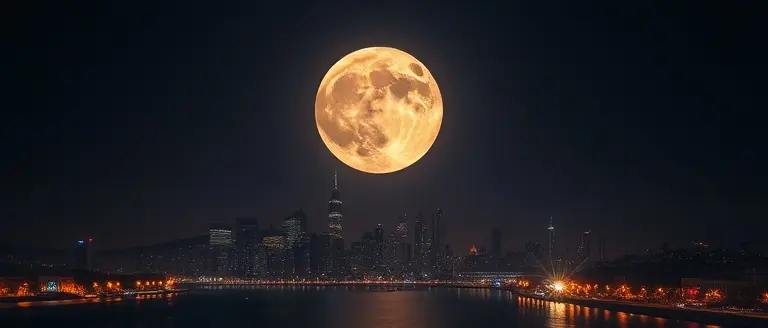
The celestial calendar for May 2026 is truly exceptional, offering skywatchers a rare double feature. Following the Flower Moon that reached peak illumination on May 1, the lunar cycle is building toward a second full moon on May 31: a Blue Moon. While many users often wonder, “is it a full moon tonight?”, the rarity of this occurrence—having two full moons within a single calendar month—demands extra attention. Astronomically, this happens because the lunar cycle is approximately 29.5 days, slightly shorter than our standard calendar month, allowing for a “bonus” moon to appear when the first occurs on the very first day of the month.
Understanding the Blue Moon Phenomenon
Culturally and astrologically, a Blue Moon is frequently associated with heightened energy, cycles of completion, and rare opportunities for manifestation. Unlike the Flower Moon, which carries themes of growth and blooming, the second full moon of May 2026 is often viewed as an invitation to reflect on the progress made throughout the month. If you missed the optimal viewing windows during the May 1 peak, the May 31 event is your second chance to witness the night sky at its most brilliant.
Tips for Capturing the Second Full Moon
To ensure you do not miss this secondary peak, keep these tips in mind as you count down to the final day of the month:
- Sunset Alignment: Just like the May 1 event, the most spectacular view occurs as the moon rises near the horizon at sunset. This creates the “moon illusion,” where the moon appears larger due to atmospheric perspective.
- Photography Prep: Use a tripod and a long lens to capture the details of the cratered surface against the fading twilight.
- Monitor the Horizon: Clear your schedule for the evening of May 31. Because the full moon transition occurs rapidly, having an unobstructed view of the eastern horizon is essential.
By tracking these events, you can transform your stargazing from a one-off curiosity into a comprehensive monthly ritual. Whether you are driven by scientific inquiry into when the next full moon occurs or interested in the spiritual significance of the May 2026 lunar cycle, marking your calendar for the 31st ensures you remain aligned with the rhythms of the night sky.
Unlock Your Peak Focus for This Rare Lunar Cycle
As the lunar cycle progresses toward the rare Blue Moon on May 31, your ability to remain attentive and mentally sharp becomes just as important as the position of the moon itself. Just as the moon moves through its phases, keeping your focus sharp is essential for catching the perfect moment; here is how to tune your mind to the frequency of this rare celestial event.
We understand that modern life often brings mental fog, making it difficult to maintain the consistent energy required for late-night observations. The Brain Song serves as your essential mental calibration tool, using advanced auditory neuroscience to sync your mind with the rarity of this double-moon month. By dedicating just 12 minutes a day to this auditory stimulation, you can clear the mental haze, sharpen your cognitive clarity, and ensure you are fully present when the sky displays its rarest wonders.
This is more than just a guide; it is an invitation to turn your stargazing into an active, wellness-oriented experience. By integrating The Brain Song into your daily routine, you move from passive observer to an engaged participant in the cosmos, maintaining the sharpness needed to track every phase of May 2026 with total mental precision.
 Prepare your mind for the lunar peak—discover how 12 minutes of daily auditory stimulation can keep you alert and focused throughout the entire month of May.Transform My Focus Today!