
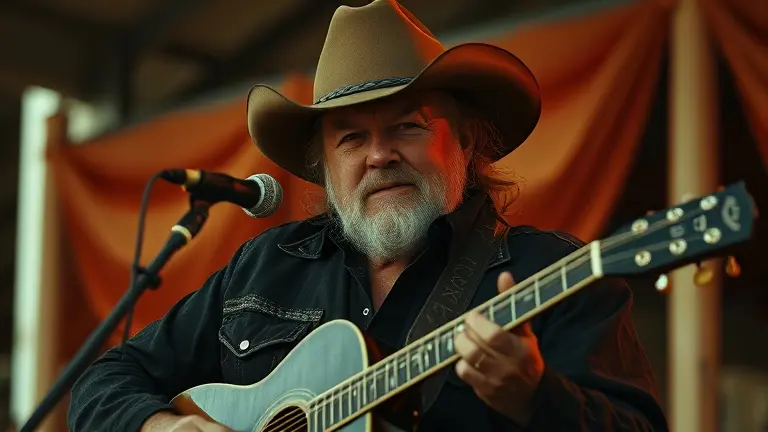
The country music world is mourning the loss of a true original. Following the official confirmation that David Allan Coe passed away on April 29, 2026, at the age of 86, fans across the globe are reflecting on the life of an artist who fundamentally reshaped the boundaries of the genre. Known for his “outlaw” defiance and iconic hits like “The Ride,” Coe’s legacy is as complex as the life he led—a turbulent journey defined by both brilliant songwriting and the “bad luck and misadventure” he often sang about.
As searches for David Allan Coe’s cause of death and retrospectives on his career surge, it is clear that his impact transcends simple headlines. He was a seismic force in the 1970s, paving the way for the anti-establishment sentiment that still drives modern country music. Today, we look beyond the obituaries to explore the man behind the outlaw legend, his evolution as a songwriter, and how his unwavering commitment to his own path—for better or worse—left an indelible mark on the landscape of American music history.
Remembering the Life and Legacy of Outlaw Country Icon David Allan Coe
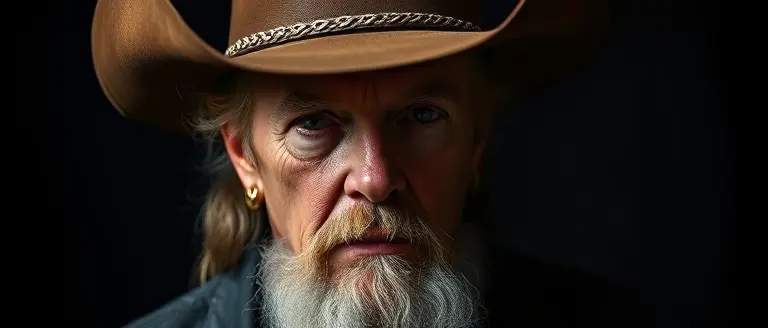
The country music world is in mourning following the confirmed passing of David Allan Coe on April 29, 2026. The seminal outlaw country figure died at the age of 86 while receiving care in an intensive care unit. Major media outlets, including The New York Times, Rolling Stone, and USA Today, have since reported on his departure, bringing an end to a career that spanned over five decades. While many fans have spent the last few days asking, “did david allen coe die?”, the news is now unfortunately confirmed, marking the conclusion of a life often characterized by the artist himself as one of “bad luck and misadventure.”
A Complex Musical Heritage
As we reflect on his impact, it is impossible to separate his undeniable songwriting brilliance from the polarizing persona he cultivated. Coe was a cornerstone of the 1970s outlaw country movement, a rebel force that challenged the polished Nashville establishment. His legacy is cemented by legendary hits that define the genre, including:
- “The Ride”: A ghost-story masterpiece that remains a staple of country radio.
- “You Never Even Called Me by My Name”: Widely considered the “perfect” country and western song.
- “Take This Job and Shove It”: A blue-collar anthem made famous by Johnny Paycheck that captured the frustration of the working class.
While fans now search for information regarding the david allan coe cause of death, the broader focus of the industry is shifting toward his complex contribution to American music. His life was defined by a defiance that resonated with those outside the mainstream, though it was equally marked by controversies that frequently drew sharp criticism. Ultimately, Coe leaves behind a discography that influenced generations of modern country artists, ensuring that while the man has passed, his signature sound will remain a permanent fixture in the outlaw subculture.
The Songwriter Behind the Anthems: ‘The Ride’ and ‘Take This Job and Shove It’

While the passing of David Allan Coe on April 29, 2026, has prompted many to reflect on his complex public persona, his primary legacy remains rooted in his extraordinary talent as a songwriter. Coe was a cornerstone of the 1970s outlaw country movement, providing the grit and narrative honesty that defined the genre. His ability to distill the frustrations of the American working class into relatable lyrics cemented his status as a legendary figure in music history, long before questions regarding the david allan coe cause of death became a point of public inquiry.
Defining the Outlaw Ethos
Coe’s songwriting brilliance is perhaps best exemplified by “Take This Job and Shove It.” While the track became a career-defining hit for Johnny Paycheck, the composition was pure Coe—a biting, defiant anthem that captured the collective resentment of blue-collar workers across the United States. His own signature track, “The Ride,” showcased a different, more atmospheric side of his craft. Featuring a haunting, ghostly encounter with the spirit of Hank Williams, the song functioned as a meta-commentary on the country music tradition, blending myth-making with raw storytelling.
Key elements of his songwriting impact include:
- Thematic Rebellion: He successfully bridged the gap between traditional Nashville storytelling and the burgeoning anti-establishment sentiment of the outlaw movement.
- Cultural Resonance: Songs like “You Never Even Called Me by My Name” served as both a parody and a tribute to the country genre, proving he understood the tropes he simultaneously subverted.
- Longevity: Despite his polarizing career, the enduring popularity of his catalog remains a testament to his craftsmanship, ensuring that discussions surrounding david allan coe songs will continue to feature prominently in country music discourse.
By refusing to adhere to the polished standards of 1970s Nashville, Coe carved out a space where authentic, often dark, narratives could thrive. His influence on modern country artists who identify with the “outlaw” label remains undeniable, as he proved that lyrical vulnerability and aggressive defiance could coexist in a hit record.
Navigating the Outlaw Country Movement: A Polarizing Career

The rise of the “outlaw country” movement in the 1970s and 80s served as a rebellious antithesis to the polished, corporate sheen of the Nashville establishment. At the epicenter of this shift was David Allan Coe, an artist whose identity was inextricably linked to the fringes of society. Unlike his contemporaries, Coe cultivated a persona that embraced the “bad boy” image, utilizing his experiences with institutionalization and life on the road to build a brand that was both authentic and confrontational. This raw, anti-establishment approach helped define the outlaw genre, influencing a generation of musicians who sought to prioritize creative independence over commercial conformity.
The Duality of a Legacy
While David Allan Coe songs such as “The Ride” and “You Never Even Called Me by My Name” cemented his status as a masterful storyteller, his career was simultaneously defined by persistent controversy. His public persona was often fueled by provocative rhetoric and lyrical choices that frequently drew harsh criticism from both peers and the public. Navigating his discography today requires an understanding of this complex duality:
- Commercial Success: His ability to bridge the gap between honky-tonk grit and mainstream radio success.
- Songwriting Prowess: Writing massive hits for other artists, most notably the iconic, blue-collar anthem “Take This Job and Shove It.”
- Linguistic Friction: The intentional use of offensive themes that served as both a marketing tool for his “outlaw” status and a source of deep-seated industry friction.
Following the news of the david allan coe death on April 29, 2026, the discourse surrounding his life has reignited, forcing a retrospective on whether an artist’s personal controversies should be separated from their artistic output. As fans ask, “did david allen coe die” and search for the david allan coe cause of death, they are engaging with a legacy that refuses to fit into a neat box. Ultimately, Coe’s influence remains undeniable; he pushed the boundaries of what country music could be, challenging the industry to accept a darker, more unfiltered version of the American experience.
The Enduring Impact of a Distinctive Musical Voice

The passing of David Allan Coe on April 29, 2026, serves as a poignant reminder of the seismic shifts he helped catalyze within the music industry. As a foundational figure of the outlaw country movement, Coe did more than just write hits; he challenged the Nashville establishment by advocating for the artistic independence that defines modern Americana. While many fans are currently searching for the david allan coe cause of death and seeking confirmation of his passing, the true legacy of the artist lies in his role as a bridge between the grit of the 1970s counter-culture and the self-reliant, grassroots approach of today’s independent country scene. His willingness to operate outside the traditional label system paved the way for generations of artists to reclaim control over their creative narratives.
A Legacy of Independence and Contradiction
Coe’s career was defined by a complex duality—he was a master songwriter capable of penning blue-collar anthems like “Take This Job and Shove It,” yet he remained a polarizing figure throughout his life. His influence on the genre is undeniable, often cited by current anti-establishment artists as a blueprint for defiance. His contributions to the American songbook include:
- Genre-Defining Songwriting: Hits like “The Ride” and “You Never Even Called Me by My Name” remain staples of the outlaw canon.
- The Blueprint for Autonomy: Coe proved that an artist could maintain a dedicated, nationwide fanbase without constant radio airplay, a model now standard in the digital age.
- Authenticity Over Polish: He favored raw, unfiltered storytelling over the highly produced sounds of the era, mirroring the aesthetic that resonates with today’s Americana and roots-rock audiences.
Ultimately, his life reads like the very songs he wrote—a volatile mix of brilliance, struggle, and what many have described as a career defined by “bad luck and misadventure.” By cementing his place as an essential chapter in country music history, his work ensures that the spirit of the outlaw remains a vital, if controversial, pillar of American culture. While the industry mourns his death, his music stands as a testament to an uncompromising, if deeply complicated, creative vision.
Carving Out Your Own Legacy
David Allan Coe’s passing marks the end of an era, but his influence on the American consciousness remains etched in the stories he told and the unapologetic path he carved for himself. He was the embodiment of the outlaw spirit—a man who refused to conform, finding truth in the grit and glory of his own experiences. While we reflect on the songs that defined a generation, we are reminded that true art is about the labor of creation, the persistence to build something lasting, and the audacity to do it your own way.
Just as Coe built his legendary career from the ground up through sheer, uncompromising will, many of his fans feel that same drive to master a craft with their own two hands. Whether it is through his music or the blue-collar ethos he championed, there is an enduring power in creating something from nothing. This is where the spirit of the outlaw finds a modern home: in the workshop, turning raw materials into legacy-worthy projects.
If you have ever felt the call to build, to create, and to work with the same grit that fueled the outlaw country movement, now is the time to honor that instinct. You don’t need to be a professional to achieve professional results; you just need the right vision and the right tools. Accessing over 16,000 professional-grade building plans, you can finally transform your creative inspiration into a finished reality that stands the test of time.
 Channel your inner outlaw and start building your own legacy with the exact blueprints used by master craftsmen; click here to explore 16,000 professional workshop plans.Yes, I Want To Start Building Today!