
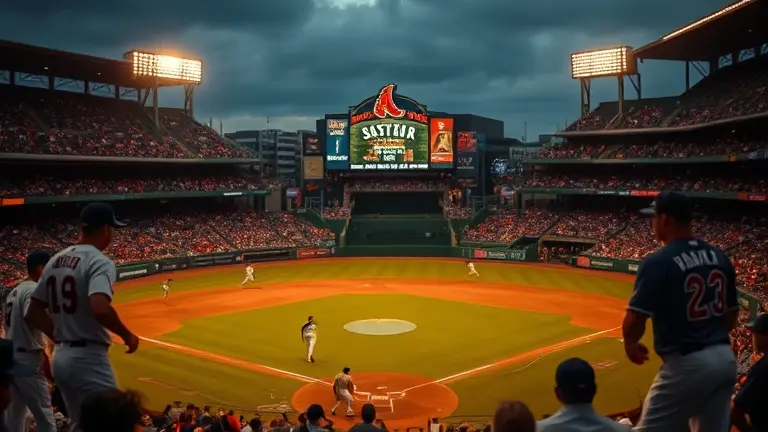
The Fenway Park showdown between the Houston Astros and the Boston Red Sox this past weekend offered a stark reminder that baseball is as much a mental marathon as it is a physical display. For fans following the series—or tracking outcomes like the Dodgers vs. St. Louis Cardinals or the Braves vs. Colorado Rockies—it is tempting to view these matchups through the lens of static final scores. However, beneath the surface of this particular series lies a much more chaotic reality: a Red Sox squad navigating profound management shifts and an Astros team still hunting for its seasonal identity.
To truly appreciate the drama unfolding on the diamond, one must move past the box score and into the realm of contextual analysis. Evaluating the impact of emerging talents like Brice Matthews against the backdrop of systemic organizational struggles requires a level of deep, sustained concentration that the modern digital landscape rarely encourages. Understanding these teams requires a sharp, analytical mind capable of processing complex trends as quickly as the games themselves evolve.
Astros vs. Red Sox: Weekend Series Recap at Fenway Park

The weekend series at Fenway Park between the Houston Astros and the Boston Red Sox served as a microcosm of the turbulent 2026 MLB season. As fans searched for where to watch houston astros vs red sox, they were treated to a dramatic finale on May 3 that underscored the growing pains currently facing both organizations. While the series provided the typical excitement inherent to historic matchups, the underlying narrative focused heavily on roster experimentation and the search for consistency. For followers who missed the live action, the takeaway remains clear: the Red Sox are still navigating a transitional identity post-management overhaul, while the Astros continue to rely on flashes of brilliance from young prospects to stabilize an inconsistent start.
Key Moments and Performance Trends
The pivotal moment of the series occurred during the Sunday finale, highlighted by Brice Matthews‘ towering three-run home run. This swing of the bat proved to be the difference-maker, shifting the momentum away from a struggling Boston pitching staff. Beyond the raw scorelines, analysts have pointed to this series as a defining moment for several developing players:
- Matthews’ Rising Profile: His clutch hitting demonstrates the Astros’ commitment to integrating fresh talent into a seasoned core.
- Boston’s Bullpen Fragility: The Red Sox bullpen continues to struggle under pressure, an issue that has exacerbated the team’s defensive inconsistencies throughout the early weeks of the season.
- Strategic Shifts: Both managers utilized the Fenway environment to test unconventional lineups, emphasizing contact-hitting over power-heavy approaches as the weather in New England begins to warm.
While fans were navigating where to watch dodgers vs st. louis cardinals or looking for broadcast details for the atlanta braves vs colorado rockies and diamondbacks vs chicago cubs matchups, the intensity at Fenway reinforced why this specific rivalry remains a must-watch event. This weekend proved that despite current standings, the astros – red sox dynamic retains its competitive edge. As both teams look toward the summer stretch, the focus will shift from these specific weekend heroics to whether these rosters can maintain the endurance necessary for a postseason push.
The Post-Cora Reality: Evaluating the Red Sox Performance Shift
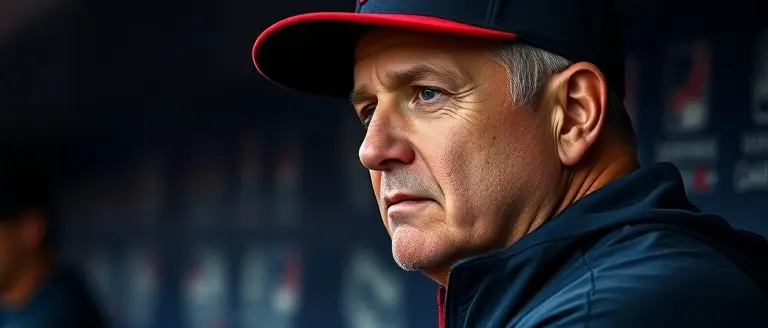
The departure of Alex Cora has left a palpable void at Fenway Park, forcing a re-evaluation of the Boston Red Sox‘s organizational identity during this critical 2026 stretch. Throughout the weekend series—often cited in searches for astros vs red sox—it became clear that the team is still navigating a transitional period characterized by inconsistent tactical execution and fluctuating clubhouse morale. Analysts observing the dugout dynamics note that while the team attempts to establish a new rhythm, the absence of Cora’s seasoned, high-stakes leadership has resulted in visible gaps in situational hitting and bullpen management that were exploited by the Houston Astros.
Tactical Shifts and Roster Identity
The shift in team performance is not merely a product of coaching changes but a reflection of a roster in flux. As fans look for where to watch houston astros vs red sox highlights, they are seeing a team struggling to define its offensive ceiling. The lack of consistency is particularly evident in late-inning scenarios, where the team’s inability to capitalize on runners in scoring position suggests a lack of the “edge” that defined the previous regime. Key indicators of this performance shift include:
- Inconsistent Pitching Rotations: The reliance on middle relief during high-leverage moments has backfired repeatedly throughout the recent series.
- Offensive Stagnation: The lineup has shown difficulty adjusting to high-velocity arms, a trend that persists despite mid-season adjustments.
- Clubhouse Morale: Players are reportedly working to maintain cohesion, yet the pressure of the playoff race is compounding the stress of the managerial vacuum.
While it is tempting to compare this volatility to other league matchups—such as where to watch dodgers vs st. louis cardinals or where to watch atlanta braves vs colorado rockies—the Red Sox’s unique challenge remains internal. Whether the current squad can rectify these deficiencies remains the central question for the remainder of the season. To regain competitive consistency, the organization must move beyond the “post-Cora” narrative and empower players to execute at a level that matches their individual scouting grades, rather than relying on tactical maneuvers from the bench.
Astros’ Inconsistent Start: Identifying the Root Causes

The 2026 campaign for the Houston Astros has been defined by a baffling lack of cohesion, marking one of the most unpredictable stretches in recent franchise history. While fans frequently search for astros vs red sox updates to track daily progress, the underlying metrics suggest deeper systemic issues that go far beyond simple bad luck. A primary driver of this inconsistency has been the bullpen’s lack of reliability in high-leverage situations. Unlike previous championship-caliber iterations of the club, the 2026 relief corps has struggled to protect leads, leading to a recurring trend of late-inning collapses that deflate team momentum.
Analyzing Offensive and Defensive Gaps
The offensive production has been similarly volatile, characterized by prolonged slumps from key contributors. While prospects like Brice Matthews have shown flashes of brilliance—notably his recent 3-run home run—the middle of the lineup has failed to provide the consistent run support expected of a perennial contender. The following factors highlight the core challenges currently facing the organization:
- Bullpen Fatigue and Turnover: Lack of established depth has forced manager reliance on inconsistent arms, leading to elevated ERA figures in the seventh and eighth innings.
- Offensive Stagnation: A lack of situational hitting has left too many runners in scoring position, stalling potential rallies during tight contests.
- Historical Expectation vs. Reality: The high bar set by previous seasons makes the current sub-.500 flirtation feel significantly more jarring, shifting the narrative from “retooling” to “urgent evaluation.”
Comparing this performance to other league storylines, such as the confusion surrounding where to watch dodgers vs st. louis cardinals or the competitive struggles in the atlanta braves vs colorado rockies series, it is clear the league is in a state of flux. However, the Astros’ trajectory is uniquely concerning due to their window of contention. If the team cannot stabilize its pitching rotation and find rhythm at the plate, the front office may be forced to look toward aggressive trade market solutions before the mid-season threshold.
Strategic Outlook: How Both Teams Compare for the Remainder of the Season

The 2026 MLB season has presented a complex landscape for both the Houston Astros and the Boston Red Sox, moving far beyond simple box scores. As the dust settles on their Fenway Park series, it is evident that both franchises are at a critical juncture. For the Astros, the inconsistency in their early-season rotation has placed immense pressure on their offensive core. The emergence of young talents like Brice Matthews serves as a vital spark, yet the organization must determine if internal depth is sufficient for a deep postseason run or if they need to leverage their farm system for high-impact pitching at the trade deadline.
Critical Priorities for Postseason Contention
The Red Sox, meanwhile, are navigating a period of significant cultural and managerial transition. Following recent leadership shifts, the team’s priority remains stabilizing their defensive efficiency and clarifying their long-term identity. To remain competitive in a crowded American League, both teams must address specific organizational needs:
- Roster Stability: The Astros must prioritize consistency in the bullpen to secure late-inning leads, a recurring theme during their recent road trips.
- Tactical Shifts: Boston needs to establish a consistent offensive rhythm to support their starting rotation, which has shown flashes of brilliance but lacks depth.
- Trade Deadline Strategy: With the mid-summer classic approaching, both front offices must weigh the cost of acquiring veteran rentals against the value of retaining top-tier prospects for sustained growth.
While fans often search for where to watch the Houston Astros vs Red Sox to catch individual moments, the broader narrative involves how these adjustments dictate October eligibility. While audiences continue to monitor other marquee matchups—such as where to watch Dodgers vs St. Louis Cardinals, where to watch Atlanta Braves vs Colorado Rockies, or where to watch Diamondbacks vs Chicago Cubs—the Astros – Red Sox rivalry highlights the necessity of tactical adaptability. Both teams are currently fighting not just their opponents, but the volatility of their own season starts, making the coming months decisive for their playoff trajectories.
Mastering the Analytical Game
As the dust settles on this weekend’s series, it is clear that the Astros and Red Sox are playing a high-stakes game of attrition, far beyond the reach of a simple box score. Understanding these shifts—whether it is the ripple effect of management changes at Fenway or the inconsistent offensive rhythm in Houston—requires a sophisticated level of mental processing. Being a true fan-analyst today means navigating a sea of metrics, rumors, and tactical adjustments that can overwhelm the casual observer.
To cut through the noise and truly grasp the broader team trajectories, you need more than just information; you need the cognitive clarity to synthesize it effectively. This is where The Brain Song becomes an essential asset for the dedicated sports enthusiast. Just as professional analysts use advanced data models to find their edge, you can use our 12-minute daily routine to sharpen your focus and improve your information processing speed, allowing you to decode complex season trends with ease.
By upgrading your cognitive performance, you move from merely watching the game to anticipating the strategic maneuvers that define it. Don’t let the nuances of the season pass you by—give yourself the mental precision required to stay ahead of every headline and tactical pivot this year.
 Optimize your cognitive performance for the upcoming season of analysis with The Brain Song’s 12-minute daily routine.Sharpen My Analytical Edge Now!